#1 Homebuyer. Local. Trusted. Family Owned.
We have been buying houses in Nebraska since 1996.


#1 Homebuyer. Local. Trusted. Family Owned.
We have been buying houses in Nebraska since 1996.

#1 Homebuyer. Local. Trusted. Family Owned.
We have been buying houses in Nebraska since 1996.

Standing at the threshold of a deceased loved one’s home, an executor faces a maze of legal responsibilities. Selling inherited property seems like a straightforward solution to settle debts and distribute assets. Yet without proper legal authority, executors risk personal liability and invalidated sales. Following Nebraska’s probate process protects everyone while ensuring the property transfers legally.
No, an executor in Nebraska cannot sell a house without going through probate first. Court approval and letters of authority must be obtained before handling any estate property, including real estate sales. Failing to follow proper procedures can result in personal liability and legal challenges from heirs.
In this blog, I will explore everything related to selling a house as an executor in Nebraska.
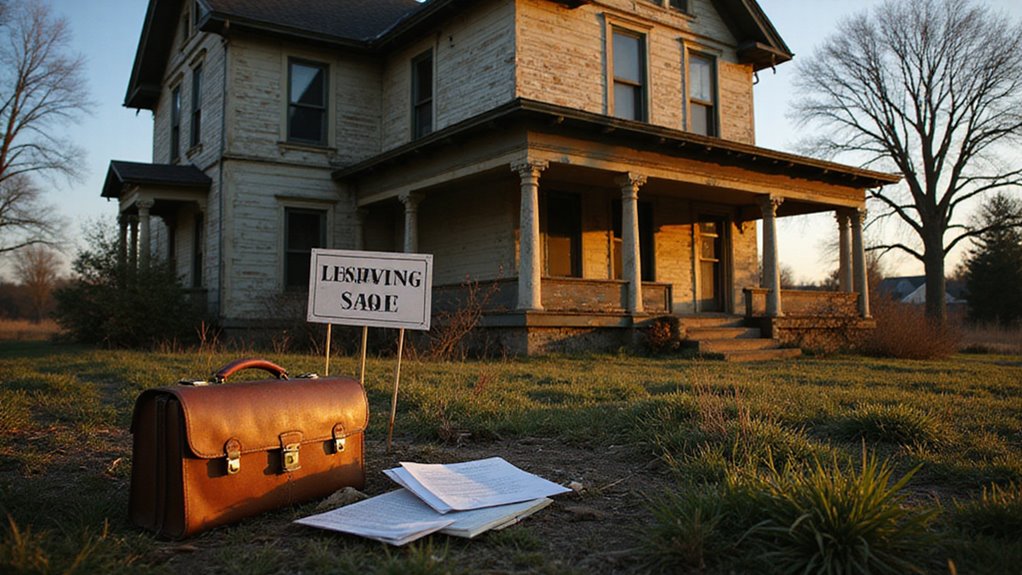
No, executors typically cannot sell a house without probate in Nebraska. Property sales require court approval and formal appointment. The court must issue letters of authority before an executor can legally access or sell property.
Probate-free property sales exist only in specific situations. Executors must protect the estate’s interests when serving in this role. Legal challenges may arise from improper property sales.
Understanding these limitations helps executors act responsibly. The court process exists to protect all parties involved. However, once properly appointed, an executor can move forward with necessary property transactions.
An executor manages property sales for a deceased person’s estate. They must always act in the estate’s best interest while following legal requirements.
The executor must obtain court approval before listing properties. Probate court approval is mandatory in most jurisdictions. They set fair sale terms and handle proceeds responsibly. The law requires honest dealings and transparency throughout the process.
Protection of assets remains a key responsibility for executors. They prevent conflicts of interest and asset mismanagement. Executors possess specific legal powers regarding real estate transactions. Additionally, they must distribute sale proceeds according to the will or pay estate debts as legally required.
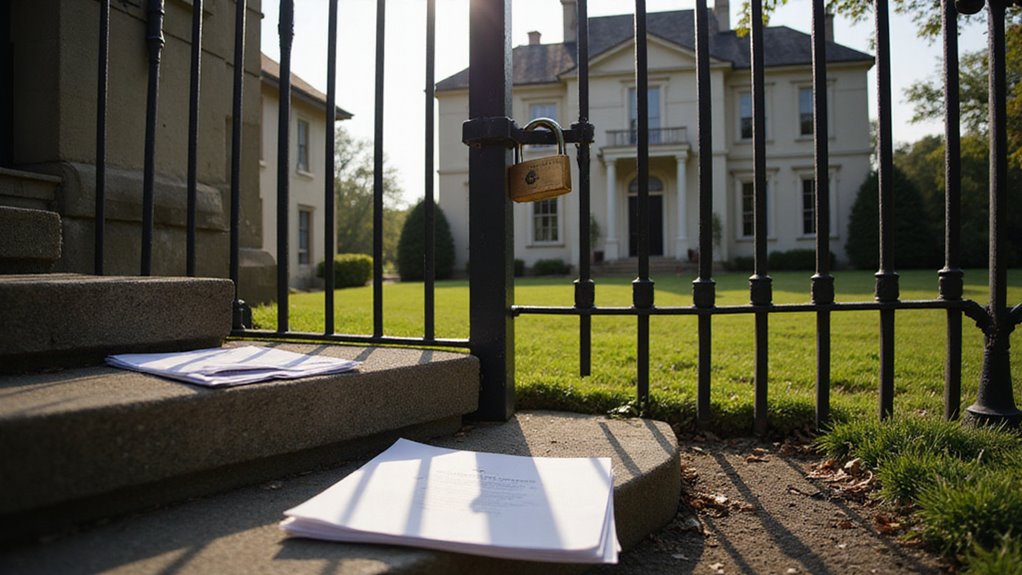
No, executors cannot access estate property before receiving formal court appointment. This restriction protects estate assets and beneficiaries. Executors must obtain letters of authority through probate before legally handling any property.
The court must officially recognize your role before you can maintain, inspect, or transfer assets. Acting prematurely creates personal liability risks. Many financial institutions and property registries will refuse transactions without proper documentation.
Furthermore, premature actions may violate state laws governing estate administration. Most states require formal appointment before executors can legally act on behalf of the estate. Wait for proper authorization to protect yourself and serve beneficiaries correctly.
You need to act fast to sell a house without probate, and understanding your options is crucial. Small estate exemptions, transfer-on-death deeds, joint tenancy, and living trusts can help you avoid lengthy court processes. Use these legal tools now to enable a quick, smooth sale.
Small estate exemptions let eligible estates bypass full probate proceedings. In Nebraska, estates with personal property under $50,000 qualify for this simplified process. You can use a small estate affidavit instead of formal probate. This document transfers property to rightful heirs with minimal court involvement.
The process saves time, money, and emotional stress for families. To qualify, the estate must meet specific requirements established by state law. Additionally, all debts must be settled before assets can be distributed.
This alternative helps families handle estate matters quickly and efficiently. Beneficiaries receive their inheritances faster than through traditional probate channels.
TOD deeds and beneficiary designations let property transfer without probate. They work by naming a beneficiary directly on your property title. Your assets move to heirs automatically when you die. These tools legally bypass court proceedings, making transfers faster for loved ones.
Executors find these methods helpful for quick, clear property transfers. The paperwork must be properly recorded with county offices. Outdated or incorrect designations might face challenges during transfers. State laws determine exactly how these instruments function in your jurisdiction.
Remember to review your beneficiary choices regularly. Life events like marriage or birth often necessitate updates.
Joint tenancy property transfers to surviving owners automatically after death without probate. However, selling requires specific steps. First, verify your survivorship rights through property title documents. Then ensure all living co-owners consent to the sale.
For probate avoidance, take these actions: Obtain official title documentation showing joint tenancy status. Secure written agreement from all co-owners about the sale. Complete required legal transfer documents according to state law.
The process protects both sellers and buyers from future claims. Proper handling prevents legal complications and ensures clean ownership transfer. Remember that state laws vary regarding joint tenancy requirements.
Living trusts let property transfer without probate when set up correctly. They work by placing your assets in a trust before death. After death, the successor trustee handles the property sale without court approval.
This arrangement saves time and money for your heirs. Property in a revocable trust bypasses the probate court system entirely. As a result, beneficiaries receive their inheritance faster.
The trust becomes the legal owner of your property. Your successor trustee then manages and distributes assets according to your wishes. In contrast to probate, this process remains private and typically costs less. Proper trust funding ensures your loved ones avoid unnecessary complications later.

As an executor, you face serious legal risks if you mishandle the sale, including personal liability for below-market sales or unpaid estate debts. Beneficiaries can challenge the transaction or sue if they believe you’ve acted improperly or violated the will. Plus, title insurance might be denied if the sale doesn’t follow proper legal procedures or leaves ownership unclear.
Executors can be personally liable when selling estate property improperly. You may face lawsuits or financial penalties for mishandling your responsibilities. Nebraska probate laws require proper oversight for all estate transactions.
Common risks include selling assets below value, ignoring court directives, or failing to notify beneficiaries. Unauthorized transactions or debt mismanagement can result in personal financial loss. Furthermore, beneficiaries may sue you for breaching fiduciary duties.
To protect yourself, follow all legal requirements carefully. Always document your decisions and seek professional guidance when needed. As a result, you’ll fulfill your obligations while minimizing personal exposure.
Selling estate property without proper authorization can lead to lawsuits from beneficiaries. Disputes typically emerge when beneficiaries feel the sale violates the will’s terms or unfairly benefits certain parties. Probate laws require executor authorization and often court approval before selling assets.
Unauthorized property sales create legal vulnerability and may result in personal liability. The executor must inform all beneficiaries about potential sales and document their responses. Courts can invalidate improper sales and hold executors financially responsible for losses.
Always maintain transparency with beneficiaries throughout the process. Furthermore, obtain written consent when possible to prevent misunderstandings later.
Selling property without probate approval creates significant title insurance risks. Insurance companies often reject coverage for properties sold outside proper legal channels. This exposes buyers to future ownership claims. Your sale might face numerous obstacles.
Title insurers commonly deny coverage when executors bypass probate requirements. Creditors and heirs may file claims years after the improper sale. These complications lead to costly legal disputes and potential financial losses.
Proper probate procedures protect everyone involved. The court validates ownership transfer and confirms the absence of competing claims. Furthermore, legal compliance maintains your fiduciary responsibility as an executor.
You need to know that in Nebraska, certain situations allow you to bypass probate entirely, but missing these exceptions can cause delays or legal trouble. Small estates under $50,000, property held in a trust, or joint tenancy with right of survivorship are exempt from full probate procedures. Act now to confirm if your case qualifies for these simplified or exemption pathways before proceeding with a sale.
Nebraska’s small estate threshold is $50,000 for personal property. This allows heirs to transfer assets without full probate proceedings. Estates under $50,000 qualify for simplified processing through a small estate affidavit.
Real estate held in joint tenancy passes directly to survivors. Property in trusts also avoids the probate process entirely. Additionally, certain family property transfers don’t require court involvement.
Understanding these exceptions helps you navigate inheritance efficiently. Quick action based on these thresholds prevents unnecessary delays and reduces stress during an already difficult time.
Nebraska offers specific exemptions that allow family property to transfer without probate. These include joint tenancy with right of survivorship, transfer on death deeds, and small estate affidavits. Nebraska law permits simplified transfers when assets fall below certain value thresholds or meet specific relationship criteria.
Acting promptly after a loved one’s death helps prevent delays. Furthermore, proper documentation must be prepared before filing with county offices. The deadline for small estate affidavits is typically one year after death, while other exemptions have different timeframes.
Each exemption serves different family situations and property types. As a result, choosing the right option saves time and money during an already difficult period.
Nebraska offers several ways to transfer property without full probate. Estates valued under $50,000 can use a small estate affidavit for simplified transfers. Joint ownership and trusts allow beneficiaries to receive property directly.
Family members may qualify for expedited settlement procedures in certain situations. Advance estate planning remains the most effective way to bypass probate entirely. Additionally, specific property types enjoy exemptions from standard probate requirements.
These alternatives reduce delays, cut costs, and streamline the inheritance process. By utilizing these options, you’ll help heirs receive their inheritance more quickly. As a result, estate transfers become more efficient for everyone involved.
Probate typically takes 6 to 12 months when selling a house in Nebraska. This legal process must be completed before transferring property ownership after someone dies.
Summary administration or informal probate can significantly reduce these timeframes in certain situations. Court approval remains necessary for most real estate transactions during probate. Complex estates or family disputes often extend the process beyond the standard timeline.
Acting promptly helps protect the estate’s interests. Various options exist for those needing a faster resolution than traditional probate allows.
In most cases, an executor cannot sell a house without going through probate. Every state has different rules about property transfers after someone’s death. If you’re facing this situation, consult with a legal professional about your specific circumstances.
At HOW Homebuyers, we understand the challenges of selling inherited property. We buy houses in popular cities across Iowa and Nebraska regardless of condition. Our team can guide you through the process while you navigate probate requirements.
If you’re struggling with an inherited property, we can help ease your burden. We offer fair cash offers with no obligation or pressure. Many of our clients appreciate our straightforward approach during difficult times. Contact us today to discuss your options for selling a house in probate.