#1 Homebuyer. Local. Trusted. Family Owned.
We have been buying houses in Nebraska since 1996.


#1 Homebuyer. Local. Trusted. Family Owned.
We have been buying houses in Nebraska since 1996.

#1 Homebuyer. Local. Trusted. Family Owned.
We have been buying houses in Nebraska since 1996.
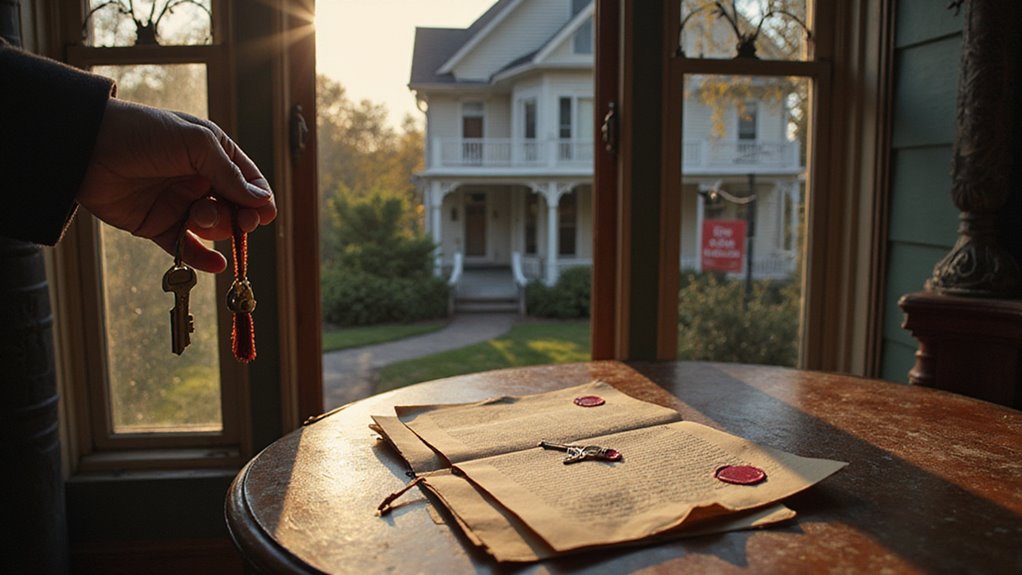
Inheriting a house often brings a mix of emotions and complex responsibilities few are prepared to handle. Navigating probate proceedings, dealing with co-inheritors, and managing unexpected tax burdens can overwhelm anyone during an already difficult time. Fortunately, selling an inherited property becomes manageable when you understand the legal requirements and practical steps involved.
You can absolutely sell an inherited house, but only after completing necessary legal steps including probate, clearing title issues, and establishing proper ownership documentation. In some cases, court approval may be required before proceeding with the sale.
In this blog I will explore everything you need to know about selling an inherited house legally and profitably.
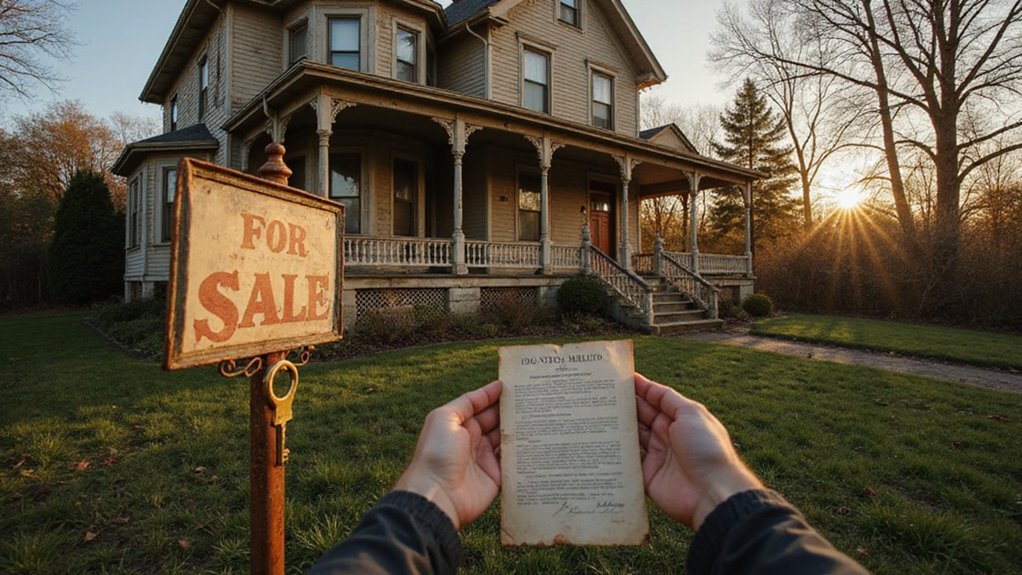
An inherited house is property passed down through a will, trust, or estate transfer, legally making you the owner. Most often, heirs receive these homes via probate, trust, or transfer-on-death deed, which can speed up the process. Understanding how your house was inherited helps you navigate the sale and legal requirements more smoothly.
Inheritance means receiving property rights after someone’s death. You become the legal owner through a will, trust, or special deed. This ownership grants you authority to make decisions about the property.
Nebraska law requires probate court approval before you can sell inherited property. The probate process verifies the will and clears the title. As a result, your legal right to the property becomes official.
Some transfers happen outside probate. Trusts and transfer-on-death deeds simplify the process. Furthermore, these methods can save time and reduce complications.
Houses pass to new owners through wills, trusts, or transfer-on-death deeds after someone dies. A will legally specifies who receives the property after probate court approval. Trusts transfer ownership directly without court involvement, saving time and money. Transfer-on-death deeds automatically shift ownership when the original owner passes away, completely avoiding probate proceedings.
Understanding your inheritance method matters when you plan to sell the property. Each transfer type requires different paperwork and legal steps. For instance, Nebraska has specific requirements for property transfers. This knowledge helps everyone involved navigate the process with less stress and confusion.
You can sell an inherited house legally, but it’s not always straightforward. You’ll need to navigate probate, ensure the title is clear, and get agreement from all co-heirs. Missing any of these steps can delay or complicate the sale.
Inherited houses in Nebraska require probate unless transferred through trusts or death deeds. The probate process establishes legal ownership and validates the property title. You must complete probate first, which typically takes 6-12 months.
Court approval is necessary for the sale, requiring signatures from all heirs. A title company must verify the estate has paid all debts and has clean ownership. Furthermore, this verification protects both seller and buyer interests.
These steps ensure compliance with Nebraska property laws. Following proper procedures creates a smooth asset transfer and prevents future legal complications.
You need clear title before selling an inherited house in Nebraska. Transfer deeds properly through probate or direct methods like trusts or transfer-on-death deeds. A title company checks for liens and claims against your property. These steps establish legal ownership.
Clear any title issues before listing your home. Nebraska law requires resolving all ownership disputes before property transfers can occur. This protects both you and potential buyers from future legal problems.
A clean title process makes your sale move faster. It builds buyer confidence and prevents last-minute complications. Many sales fall through because of undiscovered title issues.
All co-heirs must agree to sell inherited Nebraska property. This requirement protects everyone’s interests but can complicate the sale process. A formal agreement helps avoid conflicts.
Start by talking openly with all heirs about your plans. This conversation establishes expectations early. Next, work together to determine how property proceeds will be divided. Nebraska law requires documented consent from all legal heirs before selling inherited property.
Create a written agreement outlining each person’s rights and responsibilities. This document serves as a reference if disputes arise later. Moreover, it provides a framework for resolving disagreements peacefully.
When you sell an inherited house, understanding the tax implications is crucial. You’ll want to consider significant capital gains taxes and how the step-up basis can reduce your liability. Additionally, some exemptions might apply if the property was your primary residence, so it’s worth exploring your options.
When you sell an inherited house, you may owe capital gains tax on appreciated value since the owner’s death. The property receives a “stepped-up basis” equal to its fair market value at the time of death. This basis adjustment often reduces your potential tax burden significantly.
You only pay taxes on the difference between the stepped-up basis and your selling price. Long-term capital gains rates apply if you own the property for more than a year. As a result, timing matters for tax purposes.
The valuation at inheritance becomes crucial for accurate tax calculations. Professional appraisals help establish the correct stepped-up basis. This documentation protects you during potential tax audits.
Step-up basis resets the tax basis of inherited property to its fair market value at the owner’s death. This typically reduces capital gains taxes when you sell. The IRS uses this new basis to calculate any taxable gain, not the original purchase price.
When you inherit a house, you receive this automatic tax advantage. Your basis becomes the property’s value on the date your loved one died. This can eliminate years of appreciation from taxation.
For example, a house purchased for $100,000 worth $300,000 at death has a new basis of $300,000. You would only pay taxes on gains above this amount if you sell. If you live in the home as your primary residence before selling, you might qualify for additional capital gains exclusions.
Several tax exemptions can reduce your liability when selling inherited property. The home sale exclusion allows tax-free profits up to $250,000 for primary residences owned at least two years. Property values receive a “step-up” basis to market value at the time of inheritance, significantly reducing capital gains taxes.
Additionally, some states offer special tax breaks for inherited property sales. These exemptions vary by location and situation. Furthermore, serving as the estate executor may qualify you for additional tax benefits in certain jurisdictions. Understanding these exemptions helps minimize tax burdens while properly settling estate matters.
To get your inherited house ready for sale, start by clearing out personal belongings to make the space appealing. Next, address any needed repairs or renovations to boost value and attract buyers. Finally, stage and present the home effectively to showcase its best features and make a strong impression.
Remove all personal items from the inherited house before listing it for sale. This creates a neutral space buyers can envision as their own. Personal photos, clothing, and keepsakes should be the first things you pack away.
Donate or sell unwanted items within your timeline to avoid delays. Consider local charities that offer pickup services for furniture and household goods. Family members might want to claim certain sentimental items before disposal.
A clean, decluttered home sells faster and often at a higher price. Buyers need to see the home’s potential, not the previous owner’s life. Moreover, empty closets and storage areas appear more spacious to potential buyers.
Focus on essential repairs that impact your inherited home’s value and safety. Fix major issues like leaky roofs, plumbing problems, and electrical hazards first. Cosmetic improvements should come second. Repairs typically return 70% of their cost in increased home value.
Consider updating outdated kitchens and bathrooms for maximum return. Fresh paint in neutral colors can transform spaces inexpensively. Furthermore, addressing structural concerns prevents inspection problems later in the selling process.
Remember to obtain multiple contractor quotes before starting any work. This approach ensures you’re making smart financial decisions while preparing the property for market.
Effective staging helps sell inherited homes faster and at higher prices. Remove personal belongings first to create a neutral space for potential buyers. Clean thoroughly and make all necessary repairs before listing the property. A well-staged home can increase final selling price by 5-10% in many markets.
Simple decorative touches make a big difference. Add fresh flowers, new towels, or updated curtains to create an inviting atmosphere. Focus on highlighting the home’s natural strengths and potential. Meanwhile, ensure all surfaces are dust-free and floors are spotless.
These preparations allow buyers to visualize themselves living in the space. Additionally, good staging photographs will attract more online viewers to your listing. Most importantly, the right presentation reduces the emotional burden of selling an inherited property.
When selling an inherited house, you have several options to consider. You can list it on the traditional market, sell directly to cash buyers, try a for sale by owner approach, or hold an auction. Each route offers different advantages and challenges, so it’s important to choose the best fit for your situation.
The traditional real estate market offers structure when selling an inherited property. Local real estate agents provide access to motivated buyers and handle marketing details. They help determine fair market value based on comparable sales in your area.
Proper preparation makes a significant difference in sale prices. Houses that show well typically sell for 5-10% more than unprepared properties. Clean, declutter, and make minor repairs before listing.
All heirs must agree on terms before proceeding with the sale. Legal documentation proves ownership rights and prevents disputes later. Most inherited property sales take 45-90 days to complete through traditional channels.
Cash buyers offer a quick, hassle-free option for selling inherited homes. They purchase properties as-is without lengthy negotiations. You’ll avoid repair costs and complicated paperwork. The closing process happens fast, often within days.
This approach works well for families wanting to avoid probate delays. Cash transactions typically close 2-3 times faster than traditional sales. Your family can move forward without the stress of a prolonged selling process. In addition, you won’t pay realtor commissions.
Many cash buyers handle all paperwork and legal requirements. This simplifies what could otherwise be a complex process. As a result, you can focus on other important matters during this time.
You can sell an inherited house yourself to save on commissions and maintain control. This approach lets you market the property and negotiate directly with buyers. Online platforms help reach potential buyers without an agent’s help. Clear communication with other heirs prevents complications during the sale.
Selling without an agent requires understanding probate processes and ensuring clear title status. However, the effort pays off through cost savings. Furthermore, you can set your timeline and terms for the sale.
The DIY method works best for those comfortable with real estate transactions. As a result, you’ll keep more inheritance money while potentially selling faster.
Auction sales offer a fast way to sell inherited property. The process attracts cash buyers and reduces negotiation time when traditional buyers aren’t interested. This method works well for heirs managing estate liquidation without a will.
All legal heirs must agree to the auction and sign necessary documents. You’ll need a clear property title before proceeding. Auctions provide transparency for everyone involved in the inheritance situation.
The straightforward timeline helps families close estates quickly. Furthermore, the competitive bidding environment often creates fair market value. Most auction companies handle marketing and buyer qualification as part of their service.
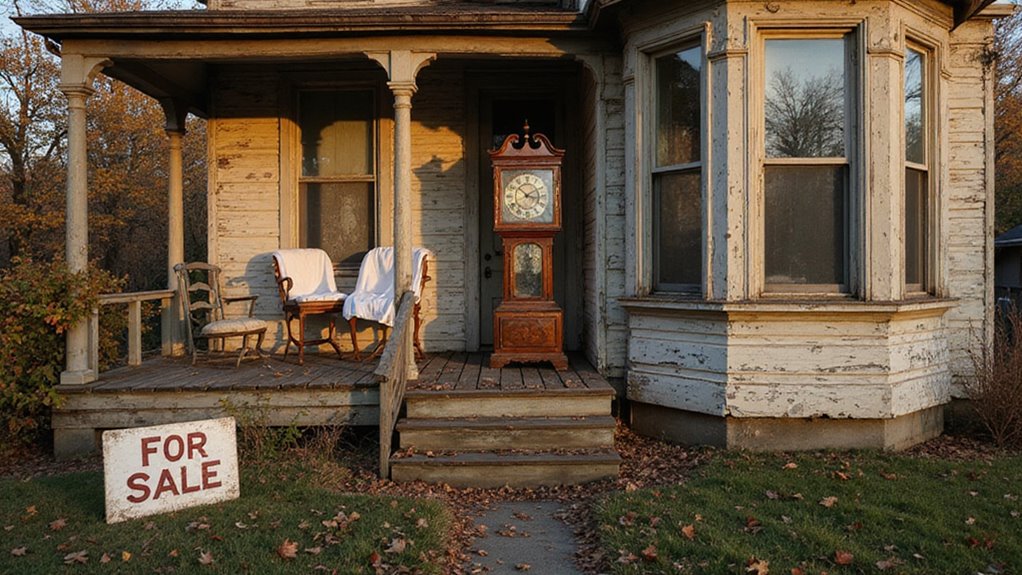
The time it takes to sell an inherited house depends on factors like probate duration and market conditions. If you opt for a cash sale, you can close much faster than through traditional methods. Understanding these elements helps you set realistic expectations and choose the best selling strategy.
The Nebraska probate process typically takes 6 months to over a year before you can sell an inherited house. This timeline varies based on several key elements.
Estate complexity and heir disputes significantly affect probate duration. Simple estates proceed faster while disagreements cause delays. Court efficiency and paperwork processing speed also impact your timeline.
Title companies must verify clear ownership before any sale can proceed. This verification step protects all parties involved.
Understanding these factors helps you set realistic expectations. You can then plan accordingly and prepare for potential delays. Most importantly, this knowledge allows you to navigate the process with confidence.
Market conditions directly affect your selling timeline for inherited Nebraska property. Strong markets with high demand speed up sales. Weak markets with declining values extend your timeline. Current local sales, economic trends, and seasons all influence your results.
Property values in neighboring areas can serve as indicators for your potential selling price. The timing of your listing matters significantly. Smart sellers monitor market trends before listing. For instance, spring and summer often bring more buyers in many regions.
Understanding these factors helps you set reasonable expectations. A well-timed sale during favorable market conditions typically attracts buyers faster. This knowledge makes the process smoother for everyone involved. In contrast, rushing a sale during a downturn might lead to financial disappointment.
Cash sales close in 7-14 days compared to months with traditional sales. This speed comes from bypassing probate processes and avoiding loan approval delays. You get funds faster when heirs need money urgently.
The streamlined approach works well for underwater properties and contested inheritances. Cash buyers typically handle paperwork and closing requirements with minimal involvement from sellers. A cash transaction can conclude in as little as one week when all documents are prepared correctly.
Moreover, this option reduces carrying costs like maintenance, taxes, and insurance. The simplified process benefits those who live far from the inherited property.
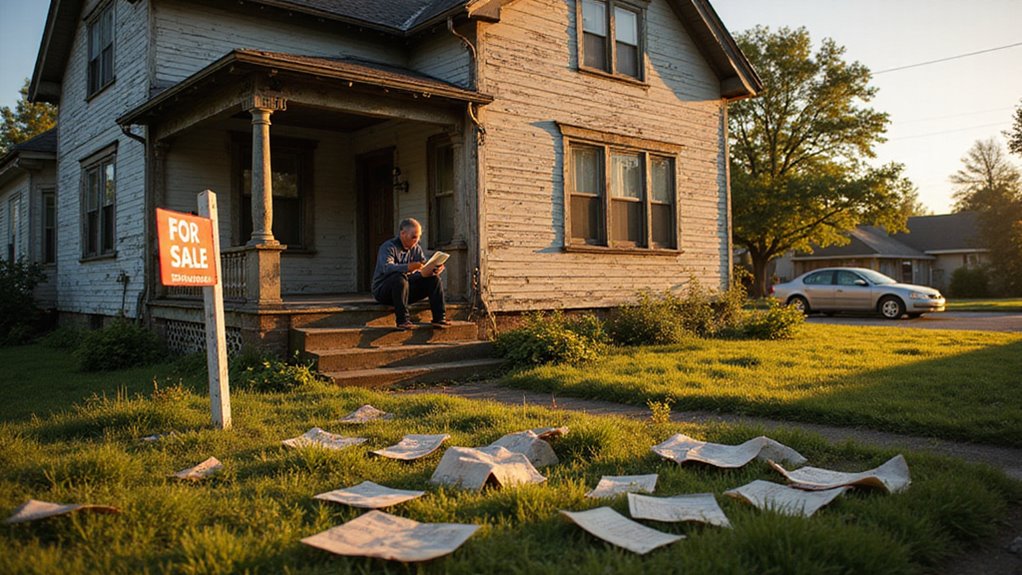
To sell an inherited house smoothly, you need to avoid common pitfalls like mispricing the property, overlooking important paperwork, or making emotional decisions. Accurate pricing ensures you attract buyers and maximize value, while thorough documentation prevents delays. Keep your emotions in check and focus on facts to make smarter, faster choices throughout the process.
Accurate pricing prevents costly mistakes when selling inherited property. Emotional attachment often clouds judgment and leads to incorrect pricing decisions. Local market data and comparable sales provide the most reliable pricing guidance. Overpricing deters potential buyers and extends time on market.
Setting prices too low leaves money on the table that rightfully belongs to all heirs. Furthermore, a properly priced property attracts serious buyers quickly. The ideal price serves everyone’s interests by maximizing inheritance value.
In essence, strategic pricing creates a smooth transaction path. Your goal should be a fair, timely sale that benefits all inheritance stakeholders.
Incomplete paperwork can delay or stop property sales completely. Inherited property transfers require finalized probate documents and clear titles. Executors must collect the will, death certificate, and court approvals when selling a house. Legal disputes often arise when these documents aren’t verified properly.
Always confirm that all debts are paid before proceeding. The title company should issue a clear title statement. This verification helps everyone involved in the transaction. Furthermore, proper documentation creates a smoother selling process and prevents expensive mistakes.
Review all paperwork thoroughly before listing the property. This careful approach keeps your sale moving forward without complications.
Emotions cloud your judgment when selling inherited property. Take time to grieve before making any decisions about the home. A cooling-off period prevents costly mistakes and regrets later.
Probate laws and title requirements often create unexpected complications for inherited properties. Seek guidance from real estate attorneys who specialize in estate sales. Their expertise helps navigate potential legal pitfalls.
Your responsibility extends to all beneficiaries, not just your preferences. In addition, objective financial analysis should guide your choices rather than sentimental attachments. This approach ensures fair outcomes for everyone involved.
If you’re feeling overwhelmed by the inheritance process, you’re not alone. Selling an inherited house involves several legal steps that require careful attention. The probate process must be completed before you can officially list the property. Taking your time with each step will lead to a smoother transaction overall.
At HOW Homebuyers, we understand the challenges that come with inherited properties. We buy houses throughout Iowa and Nebraska, including all major cities. Our team can guide you through the entire selling process with compassion and efficiency. We offer fair, competitive prices regardless of the property’s condition.
When you work with us, you won’t need to worry about repairs or cleaning. We purchase homes as-is, saving you time and unnecessary expenses. If you’re ready to sell your inherited house, we’re ready to help. You can contact us today to receive a no-obligation offer within 24 hours.