#1 Homebuyer. Local. Trusted. Family Owned.
We have been buying houses in Nebraska since 1996.






#1 Homebuyer. Local. Trusted. Family Owned.
We have been buying houses in Nebraska since 1996.

#1 Homebuyer. Local. Trusted. Family Owned.
We have been buying houses in Nebraska since 1996.

Dealing with a parent’s death leaves many unexpectedly stuck in property limbo, unable to simply sell inherited homes. The emotional weight compounds when you discover legal barriers preventing quick sales. Financial strain grows while the house sits empty, gathering dust and bills. Fortunately, understanding state-specific inheritance laws can provide a clear path forward during this difficult transition.
In Nebraska, selling a deceased parent’s house typically requires completing the probate process first. Without proper probate proceedings, you lack clear legal title to transfer property to buyers, making most sales impossible. The courts must validate the will or determine heirs before allowing property transfers, protecting both sellers and buyers from future claims.
In this blog I will explore everything related to selling inherited property without traditional probate proceedings.

No, you typically cannot sell a deceased parent’s house without probate in Nebraska. Nebraska law requires probate unless specific exemptions apply. Legal authority is necessary to transfer property ownership properly.
Several probate alternatives exist for qualifying properties. These include trusts, Transfer-on-Death deeds, and joint ownership with survivorship rights. Without these arrangements, any sale might be legally challenged or invalidated. Furthermore, buyers may refuse properties without clear title documentation.
Proper legal channels protect everyone involved in the transaction. This approach ensures the property transfers according to law and respects the deceased’s intentions. Consider consulting an estate attorney to explore your specific options.
When a parent dies, their property rights transfer through wills, estate plans, or legal procedures. If there’s a will, it guides who inherits; without one, state laws determine the distribution. Probate becomes necessary when the estate isn’t transferred through exemptions like trusts or joint ownership.
Property rights transfer to heirs when specific conditions are met after a parent’s death. Automatic transfers occur with trusts, valid transfer-on-death deeds, or jointly owned property with survivorship rights. Other situations require probate for legal ownership transfer.
Different property types follow distinct transfer methods. Trust-held assets move automatically to beneficiaries. Properties with transfer-on-death deeds avoid probate entirely. Joint ownership with survivorship rights transfers directly to surviving owners.
Most other properties must go through court-approved probate procedures. Small estates may qualify for simplified transfers using affidavits in many states.
A will directs who inherits your parent’s house after their death. Estate plans outline the transfer process for all assets and can minimize legal complications. Most wills still require probate unless specific alternatives are in place.
Certain arrangements can bypass probate entirely. Trusts, Transfer-on-Death deeds, and joint ownership with survivorship rights offer smoother transfers. These options help you avoid courts and reduce delays.
Well-structured estate plans provide clear ownership paths and fewer legal risks. They simplify selling inherited property and save time during an emotionally difficult period. Your family benefits from faster asset transfers and reduced stress.
Probate is required when your parent’s property lacks transfer exemptions. Your parent’s assets must go through court if they weren’t held in a trust, TOD deed, or joint ownership. The probate court oversees the entire estate transfer process, ensuring legal compliance and protection for all parties involved.
Attempting to sell property without probate can lead to serious legal challenges. The process requires submitting the will, providing ownership documents, and following court procedures. Although time-consuming, probate provides the legal authority needed to properly distribute assets. For instance, the court validates ownership rights before allowing property transfers.
Probate can be avoided when selling property through several legal methods. Transfer-on-death deeds allow property to pass directly to named beneficiaries after death. Small estate affidavits provide an alternative when the estate value falls below state-defined thresholds. Joint ownership with rights of survivorship transfers property automatically to surviving owners.
These strategies eliminate court involvement and reduce delays. As a result, beneficiaries can sell property more quickly and with fewer complications. Furthermore, proper estate planning saves money on court fees and legal expenses.
Each state has different rules regarding probate avoidance techniques. Consult with an estate attorney to determine the best approach for your situation.
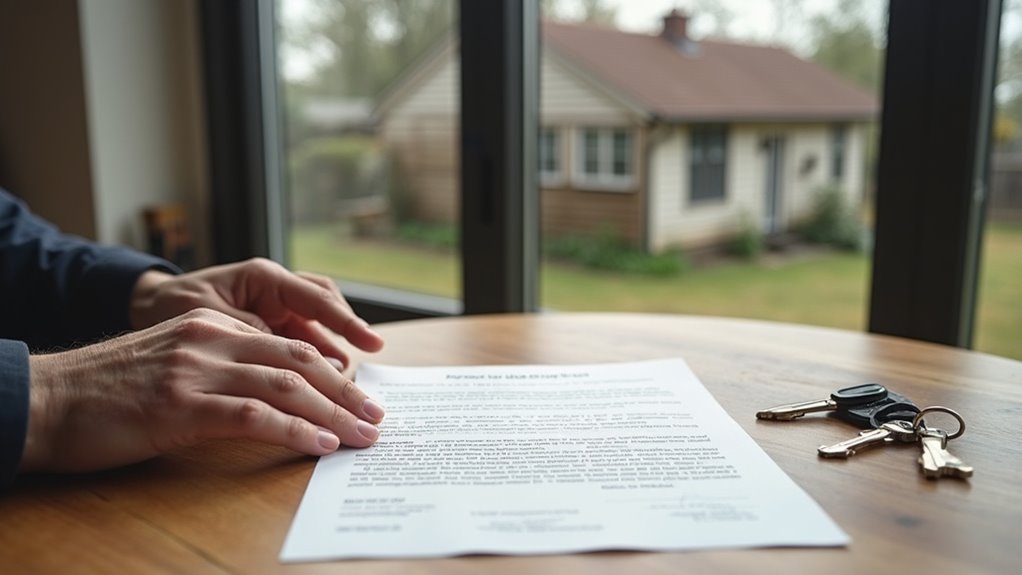
To sell a house through a small estate affidavit, you need to meet specific qualifying requirements, such as the estate’s value being below Nebraska’s threshold. You’ll also need to gather essential documents like the death certificate and proof of ownership. Be aware of state-specific regulations that may affect the process or eligibility.
Nebraska law allows small estate procedures for house sales below $100,000 in personal property value. You need several qualifications to use this simplified process.
The total estate value must fall under the threshold amount. All debts must not exceed the estate’s value. You must be a legal heir or beneficiary with proper authority. Furthermore, no active probate cases or legal disputes can exist for the property.
Essential documents include a death certificate and ownership proof. With these requirements met, you can transfer real estate using a small estate affidavit instead of full probate.
You need several essential documents to file a small estate affidavit in Nebraska. A certified death certificate confirms the decedent’s passing officially. Proof of ownership (deed or title) establishes your legal right to transfer the property. The completed small estate affidavit form documents your claim under Nebraska law.
All documents must be accurate and properly signed for legal validity. These papers enable you to sell the house without going through probate court. Furthermore, they create a clear legal path for transferring property ownership after death.
Nebraska’s small estate procedures allow title transfers with minimal paperwork when qualifying conditions are met. The process saves time and reduces costs compared to full probate.
Nebraska sets a $50,000 limit for small estate affidavits. You must provide the death certificate, notarized affidavit, and property deed to qualify. Nebraska law requires a 30-day waiting period after death before filing the affidavit.
Not all properties qualify for this simplified process. Mobile homes, commercial properties, and homes with existing liens face additional restrictions. Furthermore, using small estate procedures incorrectly can result in personal liability and title problems.
Before proceeding, verify that all heirs consent to the sale. Additionally, confirm that no other probate proceedings have been started elsewhere.

Transfer-on-Death (TOD) deeds and living trusts offer ways to transfer property directly to beneficiaries without probate. These tools simplify estate transfer, often saving time and costs. Understanding their benefits and tax implications helps you choose the best option for selling a deceased parent’s house.
Transfer-on-death deeds help property skip probate court after you die. They work by naming beneficiaries who receive your property automatically upon your death. This process saves time and money for your loved ones.
TOD deeds reduce legal expenses and court delays that typically occur during probate. Your family gains greater privacy because the transfer happens outside public court records. Furthermore, you maintain complete control of your property while alive.
The paperwork is simpler than creating a living trust. Unlike trusts, you don’t need to transfer ownership during your lifetime. This straightforward approach makes estate planning accessible to more people.
A living trust holds your assets during your lifetime and transfers them to beneficiaries after death without probate. You create a trust document, name yourself as trustee, and move property into the trust’s ownership. The trust becomes the legal owner while you maintain control.
When you die, your successor trustee distributes assets according to your instructions. Living trusts avoid the court-supervised probate process that typically takes months and costs thousands of dollars. Unlike wills, trusts offer privacy since they aren’t public record.
For maximum benefit, you must properly fund your trust by retitling assets in its name. Many people pair trusts with pour-over wills to catch any forgotten assets.
Inheriting property through transfer-on-death deeds creates specific tax obligations. You may owe taxes on capital gains if the property increases in value. A stepped-up basis often reduces your taxable gains when you sell inherited property. Federal or state estate taxes apply only when estates exceed threshold amounts. Property in living trusts typically avoids probate costs.
Proper tax reporting prevents penalties and minimizes what you owe. The IRS requires specific forms for inherited assets. As a result, consulting with a tax professional helps navigate these requirements. Beneficiaries should keep detailed records of the property’s value at the time of inheritance.
Bypassing probate can lead to lawsuits from creditors and disputed claims from other heirs. Property transfers made without executor authority may become invalid. Iowa law requires valid probate documents or specific exemptions for legal property transfers.
Unauthorized actions might void transactions completely or create financial liabilities for you. Furthermore, sales can face significant delays when proper authority isn’t established first. In most cases, these issues create more problems than they solve.
To protect yourself and others, verify heir status and secure proper authorization before transferring estate assets. Legal requirements for estate transfers vary by state but typically require formal documentation.
Joint ownership properties transfer automatically to the surviving owner when one owner dies. The transfer bypasses probate court through the right of survivorship principle. This provides immediate ownership without legal delays.
The surviving owner requires only a death certificate to document the transfer. Both owners must have equal ownership rights for this automatic transfer to work. This arrangement works best for married couples and close family members who trust each other.
Property records should clearly state “joint tenants with right of survivorship” to avoid confusion. Additionally, some states require filing the death certificate with county records. This simple ownership structure brings peace of mind to families during difficult times.
Working with cash buyers can speed up your property sale, saving you time and avoiding lengthy financing processes. To do this effectively, you’ll need to gather essential documents like proof of ownership and a clear title, ensuring a smooth transaction. An expedited closing process means you can sell the inherited house quickly and move forward without probate delays.
Cash sales offer speed, simplicity, and financial advantages for inherited properties. You can bypass lengthy probate processes when selling to cash buyers. The transaction completes faster than traditional sales methods. Your legal and closing costs decrease significantly.
Cash sales can reduce inheritance tax complications and help avoid potential penalties. This approach provides certainty in uncertain times. You’ll experience less stress during an already difficult period. The quick closure allows heirs to move forward with their lives.
Furthermore, cash transactions provide flexibility for all involved parties. Family members can resolve inheritance matters more efficiently. The simplified process helps everyone focus on healing rather than paperwork.
Cash buyers need to provide proof of funds and identification documents. This speeds up the transaction process while protecting both parties legally. The buyer must show bank statements, investment account records, or a letter from their financial institution confirming available funds.
Property sellers should prepare the property deed, recent tax statements, and any disclosure forms. These documents establish clear ownership and property condition. For estate sales, executors need death certificates and court documents proving their authority to sell.
The right paperwork prevents delays and ensures a smooth closing. Most cash transactions can close in as few as seven days with proper documentation.
Cash buyers need a fast closing timeline. Proper documentation and legal preparation make this possible. Your heir property rights must be clearly established before proceeding.
Speed requires organization on your part. Gather all necessary paperwork before listing the property. Work with experienced real estate agents who understand quick sales. Furthermore, request an expedited title search from your closing company.
Properties free from probate requirements can close much faster. Be honest about any legal issues with the property. In addition, prepare to sign documents promptly when requested.
Selling a deceased parent’s house without probate may be possible in certain situations. If the property has a transfer-on-death deed or was held in joint tenancy, probate might be avoided. When dealing with small estates, many states offer simplified procedures that reduce time and paperwork.
We at HOW Homebuyers understand these challenges and can help navigate your options. Our team buys houses in popular Iowa cities like Des Moines, Cedar Rapids, and Davenport. We also serve Nebraska communities including Omaha, Lincoln, and Grand Island.
If you’re unsure about your situation, consulting with a real estate attorney is always recommended. Legal advice ensures you follow proper procedures and avoid future complications. We’re ready to discuss your specific circumstances and provide a fair cash offer for your inherited property.