#1 Homebuyer. Local. Trusted. Family Owned.
We have been buying houses in Nebraska since 1996.


#1 Homebuyer. Local. Trusted. Family Owned.
We have been buying houses in Nebraska since 1996.

#1 Homebuyer. Local. Trusted. Family Owned.
We have been buying houses in Nebraska since 1996.

Navigating the maze of property transfers after death leaves many families tangled in legal confusion. When a loved one passes away, their home sits in legal limbo. Family members anxiously wonder if they can sell it quickly to settle debts or divide assets. Consulting with a probate attorney early can save countless headaches and legal complications later.
You typically cannot sell a deceased person’s house without probate because legal ownership remains with the deceased until the estate completes the court process. However, certain exceptions exist, including jointly-owned properties, transfer-on-death deeds, and living trusts that can allow property sales without full probate.
In this blog I will explore everything related to selling a deceased person’s house without probate.
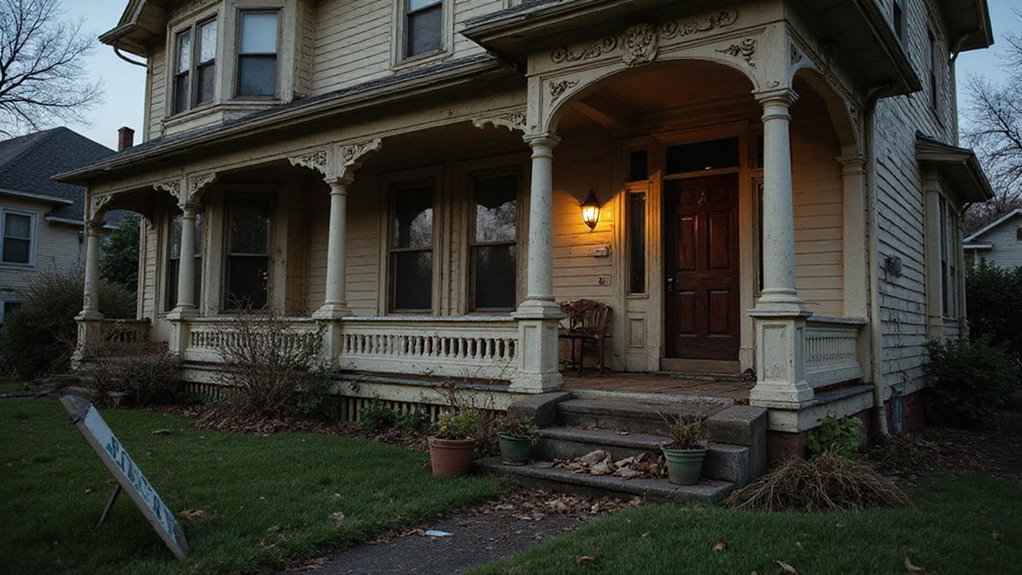
A house enters the legal process called probate when its owner dies. The property doesn’t automatically transfer to heirs. State laws govern how property ownership passes after death. The estate must complete proper legal steps before new owners can take possession.
Transfer on death (TOD) deeds offer a simpler solution. This legal document names beneficiaries who receive the property directly. As a result, the house bypasses the probate process entirely. Most states now recognize TOD deeds as valid estate planning tools.
Without advance planning, families face longer waits and higher costs. The court appoints an executor to manage the estate’s affairs. This person handles debts, taxes, and property distribution according to the will or state law.
No, you generally cannot sell a deceased person’s house without probate unless specific legal mechanisms exist. The property must legally transfer to new owners first. Several methods can bypass probate requirements.
Transfer-on-death deeds allow property to pass directly to named beneficiaries upon death. Joint tenancy ownership automatically transfers the property to surviving owners. Living trusts work similarly when properly established before death. Additionally, small estate affidavits may work if the estate falls below state-defined value thresholds.
Without these arrangements in place, court proceedings become necessary. The executor must obtain legal authority to sell through probate. This process varies in length and complexity by state.

You can avoid probate through several legal options, including small estate affidavits, transfer-on-death deeds, joint tenancy with right of survivorship, and living trusts. Each method has specific requirements under Nebraska law and can streamline the sale process. Understanding these options helps you determine the best way to sell the property legally and efficiently.
A small estate affidavit lets you transfer a deceased person’s property without full probate. Nebraska law permits this simplified process only for estates valued under $100,000 for personal property. This legal document helps heirs avoid lengthy court procedures.
You’ll need proper documentation to qualify for this expedited process. The affidavit works as proof of your legal right to handle the deceased’s assets. Furthermore, this option saves both time and money for eligible estates.
Consulting with an attorney ensures you meet all requirements correctly. This careful approach prevents potential complications later. The simplified process serves families efficiently during difficult times.
TOD deeds let property transfer without probate in Nebraska. Your beneficiary automatically inherits when you die. This option saves time and money for your heirs.
Nebraska law allows property to bypass the probate process through properly executed TOD deeds. You must sign the document and record it with the county court while alive. The deed becomes effective only after death.
After your passing, your beneficiary needs to provide a certified death certificate. They must also file an affidavit of entitlement with the county. As a result, the property transfers directly to them without court involvement. Furthermore, when they sell the property later, no probate complications will arise.
Joint tenancy with right of survivorship transfers property automatically to surviving owners when one owner dies. This legal arrangement bypasses probate court entirely. Property ownership shifts immediately upon death without requiring legal proceedings. The surviving owner gains full legal rights to the property instantly.
This approach creates a seamless transition of assets during difficult times. To establish this arrangement properly, owners must clearly document the right of survivorship in all property records. Many people choose this option to protect their loved ones from legal hassles.
Furthermore, this structure helps families avoid unnecessary delays and expenses. Under this arrangement, property remains continuously owned without interruption from courts or external parties.
A living trust helps transfer property after death without probate court involvement. You maintain control as the trustee during your lifetime. After death, your successor trustee distributes assets to beneficiaries according to your wishes.
The trust document gives your trustee legal authority to sell property. Property transfers directly to beneficiaries without court delays. This efficient process saves time and money. Furthermore, it provides privacy that probate doesn’t offer.
Proper documentation prevents future disputes. As a result, beneficiaries receive their inheritance faster. Living trusts serve as effective estate management tools that protect your loved ones.
To sell a house with a Transfer-on-Death deed, you first verify its validity and ensure it was properly recorded. You’ll need the deceased’s death certificate and an affidavit of entitlement to transfer the property legally. Finally, you must record the transfer with the county offices before preparing the property for sale.
To verify a TOD deed status, check the county recorder’s office for the recorded document. The deed must be properly executed and still valid at the time of the property owner’s death. You’ll need to obtain a death certificate and an affidavit of entitlement as legal proof.
This verification process matters because it confirms the property will transfer to the named beneficiary without probate. Furthermore, confirming the deed’s validity prevents future legal challenges. A clear title makes the eventual sale process much smoother for all parties involved.
A death certificate is required for Transfer-on-Death (TOD) deed transactions in Nebraska. This official document verifies the property owner’s death and enables legal property transfer to beneficiaries. You must obtain an official copy from the state or county vital records office.
The certificate confirms the deceased’s identity and exact date of death. Without this essential document, the TOD transfer cannot legally proceed. County officials need this verification before recording the new deed.
Many beneficiaries find it helpful to request multiple copies. This preparation prevents delays when working with different agencies or financial institutions. Nebraska law requires original death certificates for real estate transfers, not photocopies.
Visit your county recorder’s office with the completed TOD deed and death certificate. Submit these documents along with any required affidavits to the clerk. Pay the recording fees, which typically range from $20-$100 depending on your location. The clerk will process your documents and update property records.
This recording step finalizes the property transfer to the beneficiary. Without this crucial step, the beneficiary’s ownership remains unrecognized legally. Furthermore, the county’s official records protect against future ownership disputes.
Clear out personal belongings and repair any damage before selling an inherited property. A thorough inspection helps identify legal and maintenance issues. This step prevents delays in the sales process.
Make sure the title is properly documented with the county. Proper title documentation avoids legal challenges related to inheritance taxes. As an added benefit, well-prepared properties attract more buyers.
Present the home in its best condition to maximize value. The sales process becomes more efficient with advance preparation. Furthermore, transparency with potential buyers builds trust during the transaction.

Selling a deceased person’s house without probate can expose you to legal challenges from heirs who may dispute the transfer. You could also face complications with title insurance if proper documentation isn’t in place, risking future liabilities. Without following the correct procedures, you might encounter costly disputes or legal issues down the line.
Heirs can legally challenge property sales without probate. They may claim ownership rights through inheritance agreements or question the seller’s authority. These challenges can violate state laws regarding estate settlement and inheritance rights.
Legal disputes often cause sale delays or cancellations. Financial losses and reputation damage frequently follow. Your liability may continue years after the sale if proper procedures weren’t followed.
To protect everyone involved, ensure open communication with all heirs. Obtain written consent whenever possible. Most states require formal notification to all potential heirs before selling inherited property. This approach respects others’ rights while reducing your risk of future complications.
Bypassing probate can create title insurance problems. Most insurers demand clear ownership documentation before issuing coverage. Properties transferred outside probate may lack proper legal authority in the ownership chain. This situation often triggers coverage refusals.
Incomplete records make obtaining title insurance difficult. Future claims from creditors or heirs become more likely without probate’s legal finality. Additionally, buyers may walk away when they discover these title issues.
To avoid these problems, follow proper legal transfer procedures. Each state has specific requirements for property transfers that protect all parties involved. Consulting with a real estate attorney beforehand saves significant time and money later.
Selling inherited property without probate creates significant legal and financial risks. Heirs might contest the sale later, causing ownership disputes. Title insurance companies may refuse coverage for properties with unclear succession. Creditors can file claims against the property for up to several years in many states.
These problems typically arise from inadequate documentation and improper transfers. Complete verification of all heir rights protects everyone involved. Proper legal channels might take more time initially but prevent costly conflicts later.
To minimize future troubles, consult with an estate attorney familiar with local inheritance laws. This investment in professional guidance saves money and stress down the road.
State laws dictate how non-probate property transfers occur and what exemptions or thresholds apply. If you’re in a community property state, rules differ from common law states like Nebraska, affecting how ownership passes without probate. Additionally, specific documentation requirements, such as TOD deeds or affidavits, vary by state and are essential for a smooth sale.
Most states set dollar limits that allow heirs to avoid probate. These exemptions vary widely from state to state. Small estate thresholds range from $10,000 to $275,000 depending on your location. Transfer on death deeds provide a simple way to pass real property directly to beneficiaries.
Joint tenancy automatically transfers ownership when one owner dies. This happens without court involvement. Nearly all states offer simplified procedures when estate values fall below their threshold. Moreover, many states exclude certain assets like life insurance and retirement accounts from probate calculations.
Always check your state’s current laws before making estate plans. These thresholds change periodically through legislative updates.
The key difference is how marital property is treated in each system. Community property states consider most assets acquired during marriage as jointly owned. In these states, each spouse automatically owns half of all marital property. Common law states follow different rules where ownership depends on whose name appears on titles or documents.
States like California and Texas follow community property laws. Nebraska and many others use common law principles. This distinction affects inheritance rights significantly when a spouse dies.
Property transfer methods vary between these systems. Non-probate transfers such as joint tenancy work differently depending on state laws. Furthermore, documentation requirements differ based on which system your state follows.
Each state requires different documents to sell a deceased person’s house without probate. You’ll generally need these essentials:
A certified death certificate confirms the owner’s passing. Affidavits of entitlement establish your legal claim to the property. Recorded transfer documents show ownership rights. These might include TOD deeds or joint tenancy agreements.
Furthermore, local laws determine exactly which papers you must submit. Nebraska’s requirements differ from other states. Checking with your county recorder’s office saves time and prevents delays. As a result, proper documentation helps you transfer property efficiently while avoiding legal problems.
Selling a deceased person’s home without probate can be complex but often manageable. Each situation requires careful evaluation of legal requirements and potential risks. Understanding state-specific laws will help determine if non-probate transfers are possible in your case.
At HOW Homebuyers, we understand these challenging decisions families face after losing loved ones. We buy houses in popular cities across Iowa and Nebraska. If you’re dealing with inherited property, we can offer solutions that respect your timeline and circumstances.
When conventional sales seem overwhelming, our team can provide alternative options. We work with families to navigate the complexities of property transfers after death. Whether you need a quick sale or guidance through the process, we’re here to help simplify this difficult transition.