#1 Homebuyer. Local. Trusted. Family Owned.
We have been buying houses in Nebraska since 1996.


#1 Homebuyer. Local. Trusted. Family Owned.
We have been buying houses in Nebraska since 1996.

#1 Homebuyer. Local. Trusted. Family Owned.
We have been buying houses in Nebraska since 1996.
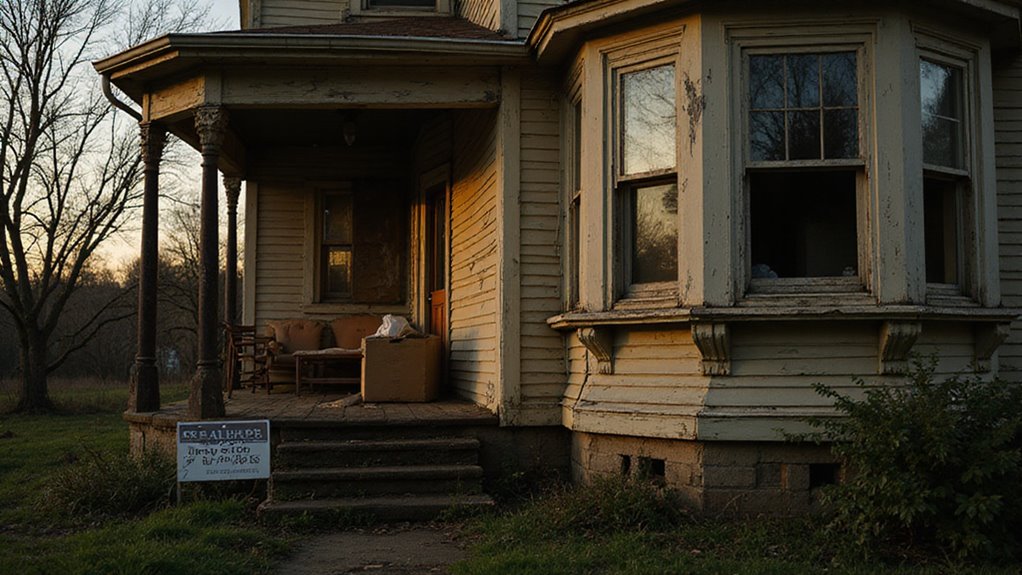
Trapped in real estate limbo, grieving families often face the daunting prospect of selling inherited property. Without probate completion, your sale could be deemed invalid, leaving buyers with clouded titles and you with potential legal consequences. Navigating the probate process first provides a clear path forward, protecting both sellers and buyers from unnecessary complications.
Selling a house before probate is typically not permitted in Nebraska without court approval. The probate process must be initiated to establish legal authority to transfer real estate from a deceased person’s estate. Property sales attempted before proper legal proceedings risk invalidation and can create serious title problems for future owners.
In this blog I will explore everything related to selling houses during the probate process.

No, you generally cannot sell a house before probate in Nebraska. Nebraska law requires probate when an estate exceeds $50,000 in value. Court approval is typically needed for property sales during this period.
Some exceptions exist. If the will gives the personal representative specific selling authority or the estate qualifies as a small estate, alternative processes may apply. In these cases, proper affidavits or court orders must be obtained first.
Selling prematurely creates significant risks. These include potential legal challenges, title problems, and tax complications. Consulting with a probate attorney ensures compliance with state requirements and protects everyone’s interests.
Probate is the legal process that confirms a decedent’s assets and authorizes their distribution, ensuring everything is handled properly. It’s required when assets like property exceed $50,000 or if the will demands it, and it typically takes 6 to 12 months. Rushing into a sale before probate is complete can lead to serious legal and financial complications, so understanding this process is crucial.
Probate is the legal procedure that resolves a deceased person’s estate. This process begins with filing the will in Nebraska within the required timeframe. Personal representatives must verify their authority to sell property before taking action. Court approval might be necessary in some cases.
The law requires proper notification to all interested parties before selling probate property. Skipping steps can create serious legal problems with property titles and taxes.
Following the correct legal sequence protects everyone involved. The personal representative can only sell real estate after probate confirms their authority. As a result, patience and careful attention to legal requirements will ensure a smooth transfer of assets.
Probate assets are belongings that legally transfer through court after death. These include real estate, bank accounts without designated beneficiaries, and personal possessions.
Real property like homes and land must go through probate unless held in trusts or joint ownership. Financial assets such as standard bank accounts and investments typically require court supervision. Personal items including vehicles, jewelry, and household goods also pass through this process.
The probate requirement ensures proper creditor payment and legal distribution to heirs. Understanding which assets fall under probate jurisdiction helps families prepare effectively for estate transitions.
Most probate cases take 6 to 12 months to complete. Complex estates may require up to 24 months for full resolution. Simple estates often qualify for expedited procedures that can shorten this timeline significantly.
The court must approve any property sale during probate. This approval process creates unavoidable waiting periods. Selling property without proper authorization can result in legal complications and financial penalties.
For this reason, patience becomes essential when handling estate assets. Understanding these timeframes helps executors set realistic expectations for beneficiaries. Furthermore, proper planning can minimize unnecessary delays while ensuring all legal requirements are met.
Yes, you can sell a house during probate, but you’ll need proper legal authority. Executors must obtain probate court permission before proceeding with any sale. The court must verify the sale benefits the estate, particularly when the will doesn’t specifically authorize it.
The approval process protects all parties and ensures legal compliance. Without court permission, an executor risks legal problems, title issues, and tax complications. These consequences could impact both the estate and the executor personally.
Furthermore, each state has specific procedures for probate sales. Patience serves everyone best in these situations. Always consult with a probate attorney before listing any property.
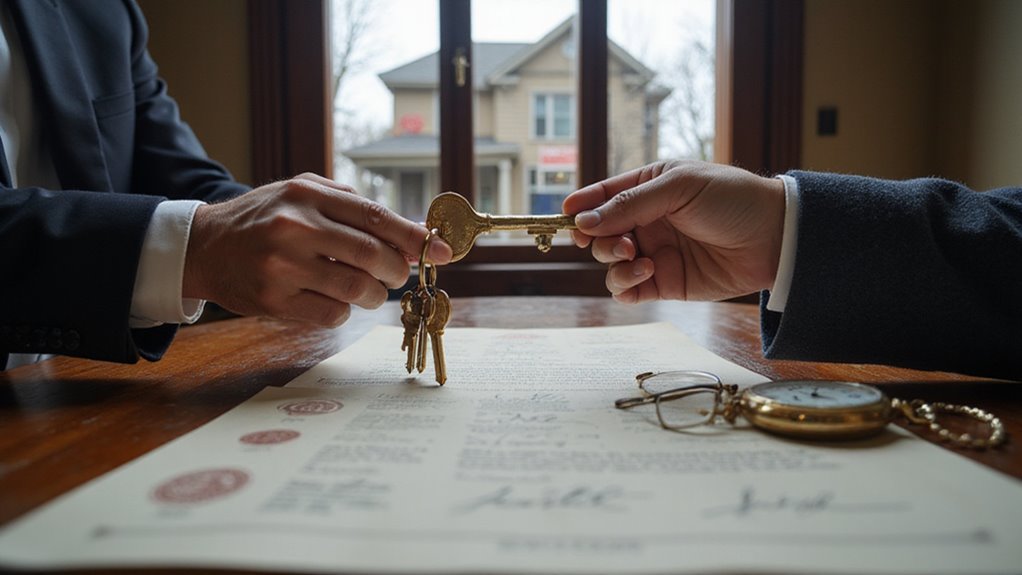
You need to act quickly to sell a house before probate, but certain options can help you do so legally. Small estate exemptions, transfer-on-death deeds, living trusts, and joint ownership with rights of survivorship offer pathways to transfer property without full probate. Understanding these options is crucial to avoid legal pitfalls and ensure a smooth sale.
Nebraska allows simplified transfers for estates below $50,000 without full probate. You can use a small estate affidavit instead. The estate value must be under $50,000 to qualify.
The process requires filing paperwork at your county register of deeds. No disputes or claims should exist against the estate. This option saves time and money for beneficiaries.
Time limits apply to this exemption. Quick action ensures smoother transfers for everyone involved. Nebraska law specifically created this process to help families avoid unnecessary probate costs.
TOD deeds let property pass directly to beneficiaries after death without probate. These legal documents must be created while the owner is alive.
TOD deeds cannot be used to sell property before probate concludes. They simply transfer ownership when the current owner dies. The main purpose is avoiding the probate process altogether.
On the positive side, TOD deeds keep your estate plan flexible and cost less than alternatives. However, they offer limited legal protections compared to trusts. For urgent property sales, other legal solutions are necessary.
Consider consulting with an estate attorney to determine if this option aligns with your specific needs.
Living trusts allow property transfers after death without probate court oversight. They don’t permit property sales before an estate is fully settled.
A trust must be properly funded before the grantor’s death for seamless transfers. Property inside a living trust cannot be sold until the trust becomes active, which happens after death. Furthermore, premature property transfers often trigger legal complications and unexpected tax consequences.
Many people mistakenly believe trusts offer immediate property access. In reality, trust administration follows specific timelines. As a result, beneficiaries must wait for proper legal processes to complete before taking ownership actions.
Property with survivorship rights passes directly to surviving owners without probate. This automatic transfer occurs immediately upon death. The surviving owner gains complete ownership without court involvement. Property held this way avoids the probate process entirely.
Nebraska law recognizes joint tenancy as a legal way to bypass probate. However, proper documentation must exist before death. The deed or title must specifically include “right of survivorship” language. These arrangements work best for simple estates with minimal assets.
Consider potential drawbacks before choosing this option. Tax consequences may affect the surviving owner later. Family members might feel excluded from inheritance decisions. A consultation with an estate planning attorney ensures this approach aligns with your overall goals.
To sell a house before probate, you need to act quickly and follow the law precisely. First, consult with a probate attorney to confirm your authority and determine if court permission is necessary. Then, prepare the property for sale and find a cash buyer to avoid delays and legal complications.
Yes, you should consult a probate attorney when selling a house owned by someone who has died. This professional guidance helps you follow legal requirements and avoid mistakes.
A probate attorney will verify if you need court approval before selling the property. Nebraska law has specific thresholds that determine if simplified procedures apply to the estate. They can also check if the will gives direct permission to sell without court involvement.
Legal advice protects all heirs and prevents future disputes. Selling without proper counsel might void the transaction and create liability issues. The attorney ensures you meet deadlines and file correct documentation.
Executors need written authorization before selling property during probate. You must confirm your status as an administrator or personal representative first. State laws dictate who can transfer estate assets and when.
Without proper authority, you risk legal challenges and title problems. Check if the will specifically grants you property rights. Court approval might be required in some situations.
Your position as executor comes with specific responsibilities and limitations. Acting without confirmed legal authority can invalidate the sale entirely. Always document your legal standing before listing any estate property.
Court permission is necessary when selling property before probate completion if required by law. You must secure a court order before proceeding with any sale.
The process requires three essential steps. File a petition with the probate court requesting sale permission. Notify all interested parties about your intentions. Then wait for official court approval before taking action. As a result, you’ll have legal authority to sell the property.
Skipping these requirements can create serious problems. Legal challenges, title issues, and tax complications may arise from unauthorized sales. Your primary responsibility is to follow proper protocols for the estate’s benefit.
Clean, repair, and document the property before listing it for sale before probate. Thorough cleaning and decluttering highlight the home’s best features. Basic repairs prevent buyer negotiations and potential delays. Meanwhile, gather all necessary documents including title deeds and probate notices.
Proper documentation protects everyone involved in the transaction. Legal property disclosures must be accurate and complete to avoid future liability. Furthermore, transparency builds trust with potential buyers.
The property’s condition directly impacts both sale price and timeframe. As a result, diligent preparation serves both the estate and beneficiaries. Neglecting these preparation steps could create legal complications for the estate administrator.
Cash buyers offer the fastest solution for selling houses before probate completion. Reach out to real estate investors who specialize in inherited properties. Search online platforms that connect sellers with investors ready to make immediate offers. Nebraska probate laws create specific restrictions that local buyers understand better.
Local investors can navigate legal complexities while providing fair offers. They typically close within days instead of months. This approach serves your family’s interests by reducing holding costs and legal complications.
Contact investment companies with proven experience in probate situations. Their expertise helps you avoid common pitfalls during this sensitive time.
Selling a house before probate can lead to serious legal trouble, including lawsuits and title disputes that threaten your ownership. You also risk costly issues with title insurance and unexpected tax liabilities if the sale isn’t properly authorized. Don’t rush—understanding these risks is crucial to protecting yourself and your investment.
Selling a house before probate can lead to serious legal issues. Courts must approve property sales from an estate to ensure all rights are protected.
You may face lawsuits from heirs who contest the unauthorized sale. Title companies often deny insurance for properties without clear probate completion. Tax consequences become more complex with improper transfers. Furthermore, any sale without proper authorization could be invalidated later.
The legal system requires probate procedures for good reasons. In most cases, waiting for proper legal channels saves money and stress in the long run. Consider this carefully before taking action.
Selling a house before probate completion can trigger lawsuits from heirs or creditors. Legal action may invalidate your sale and result in financial penalties. Courts can reverse transactions made without proper authority.
The law protects all potential beneficiaries during the probate process. Property rights must be legally established before any valid transfer can occur. This protects everyone with legitimate claims to the estate.
Furthermore, premature sales undermine the executor’s fiduciary responsibility. A cautious approach saves money and stress in the long run. Most states require court approval for property sales during probate to prevent disputes.
Selling a home before probate completion can void your title insurance coverage. This creates significant risk for you and future buyers.
Title insurers typically reject properties without finalized probate. Ownership remains unclear without proper legal transfer through probate. Future claims might surface with no protection in place.
Additionally, unresolved debts from the estate could appear after selling. These hidden liens create ownership disputes that title insurance won’t cover. As a result, premature listings often lead to legal battles.
To protect all parties involved, ensure probate completion before listing any inherited property for sale.
Selling property before probate completion can create unexpected tax burdens. Estate taxes may apply if the total value exceeds federal exemption thresholds. The IRS might demand payment from proceeds that have already been distributed.
Premature sales also complicate capital gains calculations. Without proper basis adjustment, heirs might pay higher taxes than necessary. This step-up in basis represents a significant tax advantage often overlooked during hasty sales.
Furthermore, creditors can make claims against property sold too early. The court may require you to return funds to satisfy these obligations. Waiting for proper probate completion protects all parties from these financial surprises.
Selling a house before probate requires careful planning and legal knowledge. If you’re facing this situation, seeking professional advice should be your first step. Understanding the local laws can prevent costly mistakes during this emotional time. A real estate attorney can guide you through available options.
We at HOW Homebuyers understand the challenges of selling property during probate. We buy houses in popular Iowa and Nebraska cities regardless of condition or legal status. Our team has helped numerous families navigate probate sales without the typical delays. We offer straightforward solutions when you need to sell quickly.
If you’re wondering about your specific situation, we encourage you to reach out for a consultation. We can assess your property and provide options tailored to your circumstances. Our experience in both Iowa and Nebraska markets gives us unique insights into local probate processes. We’re here to help you move forward with confidence during difficult transitions.