#1 Homebuyer. Local. Trusted. Family Owned.
We have been buying houses in Nebraska since 1996.


#1 Homebuyer. Local. Trusted. Family Owned.
We have been buying houses in Nebraska since 1996.

#1 Homebuyer. Local. Trusted. Family Owned.
We have been buying houses in Nebraska since 1996.

Navigating the probate property maze feels like walking through legal quicksand in dress shoes. Selling a house tied up in probate creates frustrating obstacles for grieving families. Court approvals, heir notifications, and endless paperwork compound the stress during an already difficult time. Fortunately, understanding the proper steps can transform this challenging process into a manageable journey.
Yes, you can sell a property during probate, but the process requires following specific legal procedures and obtaining court approval. The specific requirements vary by state, but generally involve formal appraisals, notifications to all interested parties, and judicial oversight of the sale.
In this blog I will explore everything about selling houses in probate, from requirements to practical solutions.
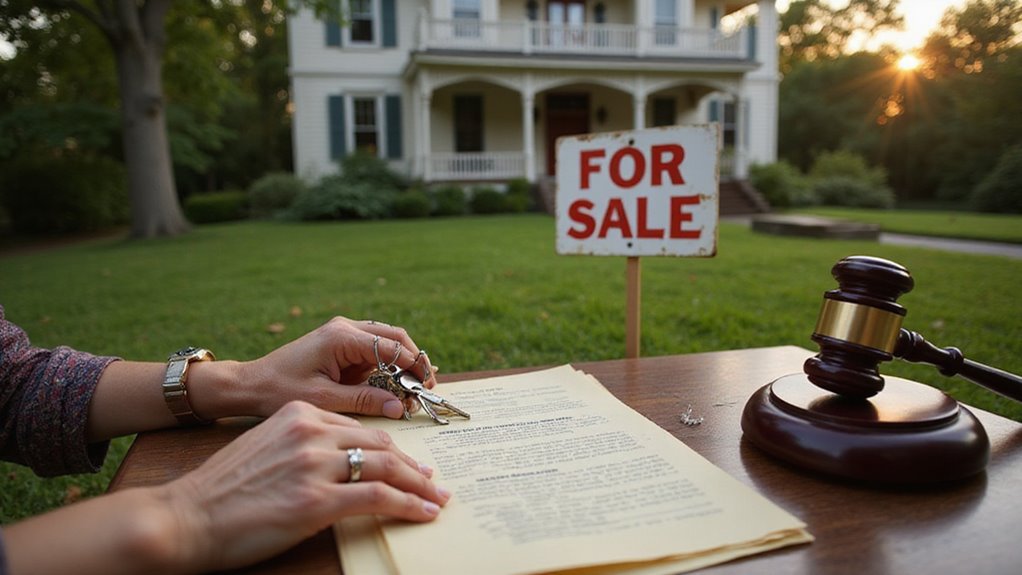
Probate is a legal process that validates a will and oversees estate distribution after death. It directly impacts home sales by requiring court approval before any property can be transferred. The law mandates filing a petition with the probate court to sell real estate from an estate.
The process involves notifying all heirs and creditors about the intended sale. Without proper court authorization, any property transaction remains legally invalid. For instance, buyers cannot receive clear title to the home.
This legal framework protects all parties involved in the transaction. As a result, home sales through probate typically take longer than standard real estate transactions.
You can sell a house during probate, but you must follow strict legal steps first. The court needs to approve the sale, and only the court-appointed personal representative has the authority to sell the property. Missing any of these requirements can delay or invalidate the sale, so act quickly and stay compliant.
Yes, executors can sell property during probate in Nebraska. The process requires specific legal steps to ensure validity.
You must file a petition with the probate court to gain sale approval. All heirs and creditors need proper notification before proceeding. The court typically orders an independent appraisal to verify fair market value.
Court approval is mandatory before finalizing any real estate transaction during probate. As a result, sales often take longer than standard property transactions. Furthermore, your fiduciary duty requires transparent handling of all estate assets.
Acting promptly helps beneficiaries receive their inheritance faster. Nebraska law holds executors personally liable for improper estate management.
The court-appointed personal representative (executor or administrator) has authority to sell property during probate. This person must file a petition with the court before proceeding with any sale. The court must review and approve all property sales to ensure fairness for all beneficiaries and creditors.
The process involves multiple parties with specific roles. Executors handle the actual sales transactions. Courts provide necessary oversight and final approval. Heirs and creditors receive notifications about proposed sales. Appraisers determine fair market value to protect estate interests.
For best results, personal representatives should follow legal procedures carefully and promptly. Failure to obtain proper court approval could invalidate a property sale and create legal problems for the estate.
Court approval is required to sell a house during probate. You must file a petition showing why the sale is necessary and fair. The court reviews your petition, notifies all interested parties, and may order an independent appraisal.
After review, you’ll follow specific conditions set by the court. This oversight ensures all heirs and creditors benefit properly from the transaction. Furthermore, the sale cannot be legally binding without this formal approval process.
Quick action helps prevent delays caused by potential objections. In addition, proper documentation speeds up the approval timeline. Probate closing costs must be accounted for in your financial planning.
Understanding the different probate sales is crucial because each type impacts how quickly and smoothly you can sell a house. Whether it’s full probate, independent administration, or summary procedures, each has its own rules and approval process. Knowing which one applies can make or break your selling strategy, so don’t wait—get informed now.
Full probate sales require complete court oversight when selling a deceased person’s property. This process follows strict legal requirements to protect all parties. You’ll need court approval for any offer you receive on the estate property. Courts mandate notices to heirs and creditors throughout the sales process.
The timeline often extends longer than standard real estate transactions. Sale proceeds must first settle outstanding debts and taxes before distribution to heirs. Most courts also require professional appraisals before approving any sale.
As a practical matter, expect delays while waiting for court dates and approvals. This oversight ensures proper handling of the estate assets.
Independent administration lets you sell estate property with less court oversight. This approach saves time and reduces delays in the probate process. You maintain more control as the personal representative.
A probate property valuation remains necessary despite the streamlined process. Nebraska law still requires court confirmation before finalizing any sale. The main benefit comes from fewer approval steps along the way.
Your primary responsibility is serving the heirs through efficient property management. This freedom allows you to act more quickly in the best interests of beneficiaries. Independent administration balances legal requirements with practical needs during difficult times.
Summary probate offers a faster alternative to full probate for small estates. This simplified process reduces paperwork and court appearances when estate values fall below state thresholds. Most states allow summary probate for estates valued between $50,000 and $150,000.
The process typically requires filing an affidavit with the probate court and providing the death certificate. Eligible heirs can claim assets directly without extensive legal proceedings. As a result, property transfers happen more quickly.
However, eligibility requirements vary by state. You must wait the mandatory waiting period (usually 30-45 days) before distributing assets. The deceased must also have minimal or no debts for qualification.
Non-probate transfers let assets skip the court system when you die. They work through ownership structures and beneficiary designations rather than wills. Joint tenancy automatically transfers property to surviving owners upon death. Other options include transfer-on-death deeds, payable-on-death accounts, and living trusts.
These methods save time and money for your loved ones. Your beneficiaries receive assets quickly without waiting for court approval. Furthermore, privacy remains intact since non-probate assets don’t become public record.
State laws determine which non-probate options are available in your location. Consider consulting an estate planning attorney to choose the right tools for your situation.
To sell a house in probate, start by getting an accurate property valuation to determine its worth. You then need to file a court petition for approval, followed by marketing the property and accepting offers. Finally, a court confirmation hearing is essential to finalize the sale and move toward closing.
A property valuation determines your home’s fair market value for probate sales. This step ensures proper pricing and legal compliance. Courts require this information before approving any sale.
You should hire a licensed appraiser for an objective assessment. Recent comparable sales provide important context for pricing decisions. The condition of the property affects valuation and must be documented accurately. Furthermore, all potential issues must be disclosed to avoid future disputes.
Documentation is critical for both the court and potential buyers. Complete records build trust and transparency throughout the process. A precise valuation benefits all parties and prevents delays.
File your petition with the probate court after property valuation. This legal request asks the court to approve your probate home sale. Your petition must include property details, sale terms, and appraisal information. The document notifies all interested parties about the proposed transaction.
The petition must comply with Nebraska Probate Code requirements. After submission, the court reviews your request and schedules a hearing. The judge may add specific conditions for approval.
Quick and accurate filing serves the estate’s interests. This step moves your sale forward in both an efficient and legal manner.
Effective property marketing begins immediately after court approval. Create a competitive pricing strategy based on professional appraisal results. Properties priced within 5% of market value typically sell 30% faster. Place listings on MLS, Zillow, Realtor.com, and social media platforms for maximum visibility.
Each listing should showcase the home’s unique features through professional photography and virtual tours. For instance, highlight original architectural details or recent renovations. Open houses generate significant interest, especially during the first weekend.
Remember to communicate timeframes clearly to potential buyers. Many investors specifically seek probate properties for their value potential. A professional marketing approach not only speeds up the sale but typically results in better offers for the estate.
Submit the strongest offer for court approval right away. Quick action is crucial in probate sales. All probate transactions require court confirmation before completion. Prepare documents and relevant appraisals to support the offer.
Tell buyers about important timelines and requirements. Transparency helps prevent unnecessary complications. The best offer should maximize value for the estate while meeting legal standards. Your prompt response serves everyone involved in the process.
Estate beneficiaries and creditors benefit from efficient offer management. Local probate courts have specific submission requirements that must be followed. Careful attention to these details results in faster approvals.
A court confirmation hearing officially approves your property sale. You must present your case and show compliance with Nebraska Probate Code and testamentary letters. Evidence of fair market value is essential during this process. The court may request an independent appraisal before making a decision.
Any objections from heirs or creditors will be addressed at this time. Furthermore, the judge determines if the sale truly benefits the estate.
Quick action and transparency prevent unnecessary delays. Therefore, maintain thorough documentation throughout your sale process. Clear communication with all parties helps ensure a smooth confirmation hearing.
Effective closing requires timing and precision. Complete all paperwork promptly after court approval. Work directly with the estate administrator to transfer funds into the probate escrow account.
All court-mandated deadlines must be met without exception. Verify that each condition of sale has been satisfied before proceeding. Your primary responsibility is to protect the interests of heirs and creditors throughout this process.
Coordinate efficiently between all parties involved in the transfer. The escrow agent needs clear instructions about document handling and fund distribution. Meanwhile, maintain compassionate communication with family members affected by these proceedings.
Selling a house in probate isn’t straightforward and can hit you with unexpected delays and tight timeframes. You’ll face financial burdens, like covering estate expenses, and dealing with the house’s condition might require repairs you can’t fund. Plus, disagreements among heirs can complicate or stall the sale altogether, making the process even more stressful.
Probate sales face frequent delays and rigid deadlines that complicate the selling process. Court schedules often experience backups that extend timelines by weeks or months. Disputes between heirs can further stall progress. Probate timelines vary by state and case complexity, typically ranging from 6-24 months.
The approval process requires multiple steps and authorizations. Meanwhile, creditors have a specific window to file claims against the estate. This waiting period cannot be bypassed. Property inspections and appraisals add another layer of potential delays.
To navigate these challenges effectively, maintain flexibility in your timeline. Create a buffer for unexpected issues. Regular communication with all parties helps minimize surprises and keeps the process moving forward.
Probate sales involve significant costs that reduce the estate’s value before heirs receive anything. Court fees, attorney expenses, and estate taxes can consume 5-10% of the total estate value. You must pay outstanding debts and taxes before distributing assets. These obligations take priority over inheritance.
Professional help may seem expensive but often saves money long-term. A skilled probate attorney can navigate complex regulations and minimize delays. The estate typically covers these expenses from existing assets.
Planning ahead creates better financial outcomes for beneficiaries. Setting aside funds for probate costs helps prevent selling valuable assets at discounted prices. Most states require all creditor claims to be satisfied before final distribution to heirs.
Property condition issues can delay or stop probate sales. Inherited houses often have repair needs that worry potential buyers. Courts may reject sales of significantly damaged properties.
These problems typically include deferred maintenance, outdated systems, or structural damage. Each issue reduces your property value and limits buyer interest. Most buyers want move-in ready homes or significant discounts.
Inspect the property early to identify all necessary repairs. Consider getting professional estimates for major issues. This preparation helps you decide whether to fix problems or sell as-is.
The best approach depends on your timeline and budget constraints. Quick, essential repairs often provide the best return on investment.
Multiple heirs complicate probate house sales by causing delays and disputes. All beneficiaries must agree before proceeding with the sale. Family disagreements often lead to court intervention, extending the timeline significantly. This creates a frustrating waiting period for everyone involved.
Inheritance laws require unanimous consent from all legal heirs in most jurisdictions. When conflicts arise, you’ll need formal mediation or court approval. The courts ultimately protect each heir’s legal rights during the process. As a result, patience becomes essential.
To move forward, maintain clear communication with all parties. Document everything in writing to prevent misunderstandings. Seeking early legal guidance can prevent many common disputes. Furthermore, professional mediators often help reach compromises when heirs disagree.
Selling to cash buyers in probate can significantly speed up the process and reduce complications. They often provide quick offers and cash payments, which helps you close faster despite court requirements. If you want a smoother, faster sale, understanding how this works is essential.
Cash sales in probate offer quicker transactions and fewer complications than traditional sales. Buyers with ready cash can close deals rapidly without mortgage approval delays. This provides heirs with faster access to inheritance funds and prevents property value decline during lengthy processes.
Cash transactions typically require minimal inspections and fewer repairs. The streamlined approach reduces stress for executors and beneficiaries alike. Furthermore, cash offers tend to be more reliable with less chance of falling through.
The probate court must still approve the final sale price regardless of payment method. However, cash transactions face fewer hurdles after this approval. Many buyers will accept properties “as-is,” eliminating repair negotiations and reducing closing time.
Cash buyers create a streamlined probate sale experience. They purchase homes as-is with no repairs needed. The process moves faster since repairs and negotiations are eliminated. A probate real estate agent helps navigate court requirements.
Cash sales benefit heirs through quicker closings and reduced expenses. Court approval remains necessary for all probate sales. As a result, everyone experiences less stress throughout the transaction.
Furthermore, this approach helps sellers avoid common delays that plague traditional sales. The certainty of cash offers provides peace of mind during a difficult time. Your inherited property can be sold efficiently while still meeting legal obligations.
Cash buyers can close probate property sales in 2-3 weeks instead of months. This speed comes from bypassing traditional financing processes and reducing court involvement. You can quickly fulfill your executor duties and distribute inheritance sooner.
Cash sales eliminate loan approvals and most contingencies. Probate courts often expedite approval for cash offers because they represent guaranteed funds. The process avoids inspection delays and repair negotiations common in traditional sales.
For estates with deadlines or financial pressures, this approach provides welcome relief. Heirs receive their inheritance faster, and you complete your responsibilities efficiently. The streamlined process reduces stress during an already difficult time.
You need to understand that probate sales have real financial impacts that can affect your inheritance. Taxes like estate and capital gains can cut into proceeds, and existing mortgages must be settled before anything gets distributed. Failing to consider these factors could lead to surprises or delays in getting your rightful share.
Estate taxes directly affect inheritance amounts your heirs receive. Property sales during probate influence these taxes. Proper planning helps minimize unexpected tax burdens.
Sales at fair market value can reduce the taxable value of an estate. Estate or inheritance taxes may still apply to sale proceeds. Expenses related to the sale often qualify for deductions. The timing of property sales significantly impacts final tax assessments.
Court involvement in probate sales can affect both the final sale price and tax basis. Understanding these implications protects your beneficiaries’ interests. Tax planning should begin well before estate settlement starts.
Capital gains tax applies when probate property sells for more than its stepped-up basis. The tax is calculated on the difference between selling price and the property’s value at the time of inheritance. Estates must pay taxes on gains realized after the owner’s death, not on the total appreciation since original purchase.
This tax reduces money available to distribute to heirs. Each state has different rules for capital gains taxation. Many estates qualify for exclusions or reduced rates.
A tax professional can identify legitimate deductions that minimize this burden. Proper planning helps preserve more assets for beneficiaries during difficult times.
Existing mortgages must be addressed during probate sales to avoid financial penalties. The estate must decide whether to pay off the loan, have a beneficiary assume it, or sell the property. Mortgage payments must remain current throughout probate to prevent foreclosure.
Contact lenders immediately after death to inform them of the situation. Some mortgages contain due-on-sale clauses that require full payment when ownership transfers. Your probate attorney can help determine the best approach for your specific situation.
Always verify whether the mortgage is transferable before making decisions. Prompt action prevents additional interest charges and protects the estate’s value.
Sale proceeds flow in a specific legal order. First, outstanding debts and taxes must be paid from the estate funds. Only then can heirs receive their inheritance. This ordered process protects creditors and ensures legal compliance.
The executor must handle these distributions carefully. Disputes or creditor claims might delay the final payments to beneficiaries. Additionally, the court oversees this process to prevent mismanagement.
Understanding these financial requirements helps executors serve the estate’s interests properly. The goal remains distributing assets fairly while following all legal obligations. Prompt and accurate handling benefits everyone involved.
Selling a house in probate requires careful navigation through legal requirements and court approvals. The process can take several months depending on your state’s laws and the complexity of the estate. If you follow the proper procedures and work with experienced professionals, you can successfully sell your probate property.
At HOW Homebuyers, we understand the challenges that come with probate properties. We buy houses in popular Iowa and Nebraska cities regardless of their condition or legal status. Our team has experience working with executors and administrators to create straightforward solutions for probate properties.
We offer fair cash offers and can close on your timeline once court approval is secured. Our process eliminates the need for repairs, cleaning, or multiple showings that traditional sales require. If you’re dealing with a probate property in Iowa or Nebraska, we’re ready to help make your experience as stress-free as possible.