#1 Homebuyer. Local. Trusted. Family Owned.
We have been buying houses in Nebraska since 1996.


#1 Homebuyer. Local. Trusted. Family Owned.
We have been buying houses in Nebraska since 1996.

#1 Homebuyer. Local. Trusted. Family Owned.
We have been buying houses in Nebraska since 1996.
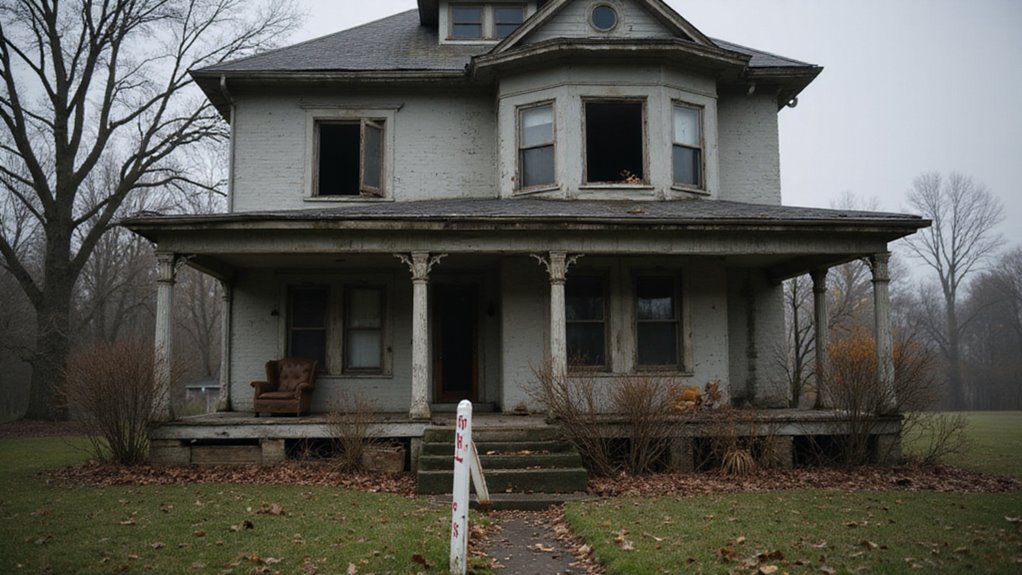
Drowning in a sea of probate paperwork while grieving feels like a cruel punishment. Selling your inherited property often means waiting months for court approval. Bereaved families face mounting bills, property maintenance costs, and emotional strain during this delay. Fortunately, several legal arrangements allow property transfers without navigating the probate labyrinth.
You can indeed sell a house without probate through joint ownership with survivorship rights, living trusts, or Transfer on Death deeds. These arrangements automatically transfer property ownership upon death, eliminating the need for court approval. Proper documentation remains essential, including death certificates and clear property titles.
In this blog I will explore everything related to selling houses without going through probate.
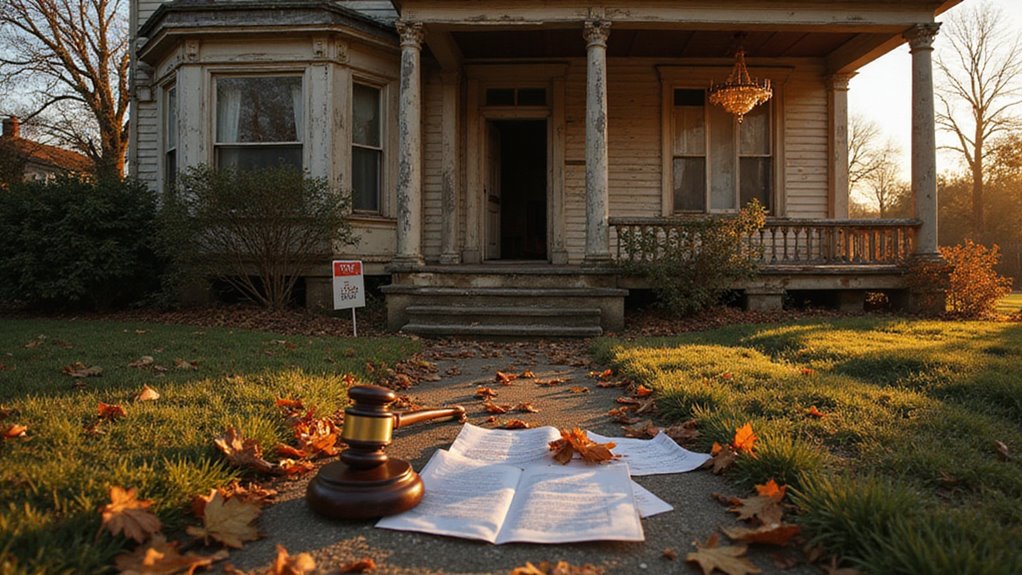
Probate is the court process that validates a will and authorizes property transfers after death. It matters because it legally confirms who can inherit assets and pay debts. Without proper probate, heirs may face delays or complications when claiming their inheritance.
Some transfers can bypass probate entirely. Joint ownership with right of survivorship allows automatic transfer to the surviving owner. Living trusts and Transfer on Death deeds offer alternative solutions.
These probate alternatives save time and money during a difficult period. Families benefit from faster asset transfers and reduced legal complications. As a result, beneficiaries receive their inheritance sooner and with less stress.
Yes, you can legally sell a house without probate in specific situations. This option exists when property ownership includes automatic transfer provisions.
Three legal methods allow property sales without probate: joint ownership with survivorship rights, living trusts, and Transfer on Death deeds. Each method has specific requirements. Joint ownership works when the title includes both names with a survivorship clause. Living trusts require proper funding and trustee authority before the owner’s death.
Transfer on Death deeds must be filed with your local Register of Deeds office. However, these shortcuts aren’t without risks. Title disputes may arise with joint ownership arrangements. Additionally, improper trust setup could invalidate transfers completely.

You have several options to sell a house without probate in Nebraska, including joint ownership with rights of survivorship, living trusts, and transfer-on-death deeds. Beneficiary designations and small estate affidavits also provide quick pathways if eligibility criteria are met. Investigate these alternatives to speed up your sale and avoid court proceedings.
Property passes automatically to surviving owners without probate when structured as joint ownership. This arrangement creates a simple transfer upon death. The surviving owner inherits the property immediately. Documentation must be properly maintained for legal validity.
All owners must agree to any property sale. Joint tenancy allows owners to sell without court approval. This saves significant time and money during transitions. Moreover, this ownership structure prevents lengthy probate delays.
The property transfer happens outside of probate court proceedings. This provides peace of mind for all parties involved. In addition, survivorship rights respect the deceased owner’s wishes for property succession.
Living trusts allow property transfers in Nebraska without going through probate. You place your home in a trust while maintaining control during your lifetime. Your beneficiaries receive immediate ownership when you pass away. This arrangement works efficiently for people who want to protect their loved ones.
The process eliminates court involvement and reduces waiting times for heirs. Nebraska law recognizes living trusts as valid estate planning tools. You can still sell or refinance the property as the trustee. Most families appreciate avoiding probate fees and paperwork.
Furthermore, your privacy remains protected since trust transfers happen outside public records. The trust document clearly names your beneficiaries and their inheritance terms.
Transfer-on-Death (TOD) deeds let property owners designate beneficiaries who receive the property after death. This legal tool bypasses probate court proceedings. Nebraska law recognizes TOD deeds as valid mechanisms for property transfer. The process works only when all legal requirements are properly followed.
TOD deeds offer several advantages for property owners. They maintain control of the property during your lifetime. The transfer happens automatically upon death. As a result, your beneficiaries receive the property faster than through traditional probate.
For the deed to be effective, proper recording with county officials is essential. Furthermore, you must clearly name your intended beneficiary. All legal formalities must be met for the TOD deed to be valid.
Beneficiary designations transfer real estate directly to heirs without probate. You can name who inherits your property using a beneficiary deed. This document keeps you in control while you’re alive. Your chosen beneficiaries receive the property automatically when you die.
For this process to work, you must properly title the property first. The beneficiary deed must be recorded with your county office according to local laws. This legal step prevents future disputes. As a result, your heirs avoid lengthy court proceedings and extra expenses.
This straightforward approach serves your loved ones well during a difficult time. Furthermore, it simplifies your overall estate plan.
A small estate affidavit lets you transfer property without going through probate in Nebraska. This legal document works only for estates under specific value limits. Nebraska law sets strict thresholds for what qualifies as a small estate.
The process offers several benefits. You’ll save time compared to traditional probate proceedings. Legal costs typically remain lower without court involvement. The transfer happens more quickly for all parties.
To use this option, you must prepare proper documentation. The total property value must fall below Nebraska’s small estate threshold. Some risks exist, including potential title problems or future creditor claims. Many families appreciate this simplified approach. It reduces stress during an already difficult time.

Start by reviewing the property title to see if it’s held in joint ownership, a trust, or with a TOD deed. Check if the estate’s value falls below Nebraska’s small estate threshold and gather all necessary documentation like the death certificate and title. If these factors align, your property may qualify for a non-probate sale, speeding up the transfer process.
Nebraska property may qualify for non-probate sale through specific ownership arrangements. Check your title deed for joint ownership with survivorship rights, trust ownership, or Transfer on Death deeds. These methods allow property transfers without court involvement.
Legal ownership must be confirmed through proper documentation like a Transfer on Death deed. The estate value must fall within small estate thresholds defined by Nebraska law. You’ll need supporting documents such as death certificates and affidavits.
This review identifies probate alternatives. As a result, heirs can transfer property faster. The simplified process benefits everyone by reducing delays and complications.
Nebraska offers several ways to transfer property without probate. Joint ownership with rights of survivorship allows automatic transfer to surviving owners. Trust-held properties pass to beneficiaries according to trust terms. Transfer-on-Death deeds let you name future owners while keeping lifetime control.
Estates valued below $50,000 may qualify for simplified small estate procedures. You’ll need proper documentation for any non-probate transfer. This typically includes the death certificate and supporting affidavits. Following these requirements helps beneficiaries receive property faster with fewer legal hurdles.
Nebraska’s small estate threshold is $50,000. This limit determines whether you can skip full probate when selling inherited property.
The total value includes all assets in the estate, not just the house. Your inherited home must fall under this threshold along with other possessions. To qualify, you’ll need proper documentation such as a small estate affidavit.
This simplified process benefits everyone involved. Heirs receive their inheritance faster without court delays. Furthermore, transaction costs remain lower without extensive legal proceedings. The streamlined approach removes unnecessary complications during an already difficult time.
Selling Nebraska property without probate requires specific documents. You’ll need the deceased’s death certificate and title showing joint ownership with survivorship rights. Documentation of a trust or Transfer on Death deed also qualifies the property for non-probate transfer.
Small estate claims require supporting affidavits and must fall under Nebraska’s value thresholds. All paperwork must comply with your county’s Register of Deeds requirements. This prevents future legal problems with the property title.
Proper documentation makes inheritance transfers simpler for everyone involved. Complete and accurate records ensure a smooth transaction process. Subsequently, you can confidently proceed with the property sale.
Selling without probate creates title problems that can invalidate property sales. The title remains legally unclear without proper probate proceedings. Future buyers may face challenges securing title insurance.
Creditors or overlooked heirs might contest ownership after the sale. This situation often leads to expensive legal battles. The court could even reverse the completed transaction entirely.
Alternatives like joint ownership or transfer-on-death deeds can help avoid probate. However, these methods still require proper documentation and planning. Moreover, each state has different rules regarding property transfers. To protect everyone involved, ensure all legal requirements are met before selling.
To sell a house through probate, you need to get court approval and appoint an executor if one isn’t already in place. You’ll also need to have the property appraised, disclose all relevant details, and manage the sale proceeds carefully with the heirs. Following these steps ensures a legal, smooth transfer and helps avoid future disputes.
To legally sell a house in probate in Nebraska, you must first gain executor authority. The court appoints an executor or personal representative to manage the estate. This person files the will and probate petition with the court.
The court then issues letters of administration, granting official authority to act for the estate. You must show this documentation when selling property or transferring assets. Proper authorization protects you from future legal claims.
This authority helps you serve heirs efficiently and prevents delays in the sale process. In addition, it creates a clear chain of legal responsibility. Without proper executor authority, any property transactions may be deemed invalid.
Court permission is typically required when selling a probate house in Nebraska. The process involves filing a petition with the probate court for review and approval. Nebraska law mandates court oversight to protect heirs’ interests and ensure proper debt resolution.
Some exceptions exist for simplified procedures. Properties with transfer-on-death deeds or those qualifying for Small Estate Affidavit may bypass full court approval. The court examines whether the sale meets legal standards before issuing an authorization order.
This oversight creates a secure transaction for all parties involved. The system ensures property transfers comply with state regulations before ownership changes hands.
Accurate valuation and full disclosure are essential when selling a probate property. Get an appraisal to determine fair market value. Complete all necessary transfer documents. The law requires full disclosure of property condition to avoid title problems.
Trust-held or POD properties have simpler disclosure requirements. Transparency protects everyone involved in the transaction. As a result, heirs receive fair compensation while buyers gain clear title.
Proper documentation prevents creditor claims and legal disputes later. This protection serves both the estate and new owners. Remember that your careful attention to these details ensures a smooth transfer process.
Clear communication is essential when handling estate sale funds. Tell heirs exactly how the property sale will unfold and when they can expect payments. Estate sales without court approval may follow different timelines than traditional probate cases. Share all potential expenses upfront. Debts, taxes, and fees will reduce the final inheritance amount.
Keep everyone updated throughout the process. Address questions quickly to prevent confusion or conflict. Regular updates help heirs maintain realistic expectations about their inheritance.
This transparent approach builds trust. It also reduces the likelihood of family disputes later. Your role is to provide clarity and support during this emotional time.
Selling a house without probate is possible with the right knowledge and resources. Homeowners can explore alternatives like transfer-on-death deeds or living trusts to avoid court proceedings. If you’re facing this situation, consulting with a real estate professional may provide valuable guidance. These options can save you significant time and money.
At HOW Homebuyers, we understand the challenges of selling inheritance properties. We buy houses in popular Iowa and Nebraska cities without requiring probate completion. Our team can offer solutions that work around legal complications. We pride ourselves on creating straightforward paths for homeowners in difficult situations.
The decision to sell without probate depends on your specific circumstances. Property ownership structure and local laws will affect your available options. When you work with us, we handle the complicated details so you don’t have to. Contact us today to learn how we can help with your property needs.