#1 Homebuyer. Local. Trusted. Family Owned.
We have been buying houses in Nebraska since 1996.


#1 Homebuyer. Local. Trusted. Family Owned.
We have been buying houses in Nebraska since 1996.

#1 Homebuyer. Local. Trusted. Family Owned.
We have been buying houses in Nebraska since 1996.
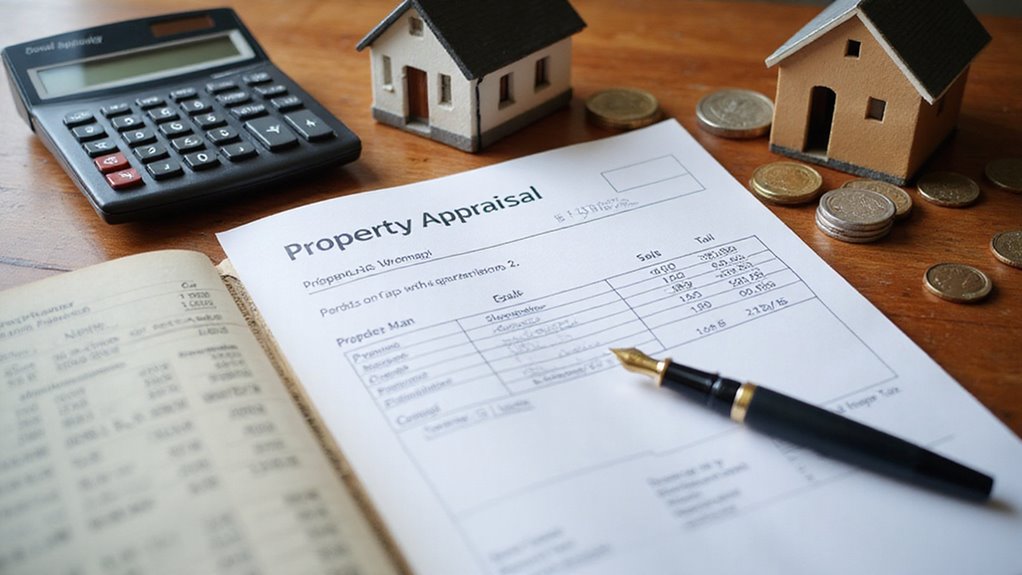
Shocked by an unexpected tax bill, homeowners often discover capital gains tax implications too late. Real estate sales can trigger substantial tax liabilities without proper preparation, potentially costing you thousands in avoidable expenses. Smart valuation strategies exist to legally minimize these taxes while maximizing your property sale proceeds.
Capital gains tax valuation involves calculating the difference between your property’s adjusted basis and its selling price. The adjusted basis includes your original purchase price plus improvements minus depreciation taken during ownership.
In this blog I will explore everything related to capital gains tax valuation in real estate transactions.
Capital gains tax valuation determines the taxable profit from selling an asset. It starts with calculating your adjusted cost basis.
Your adjusted cost basis equals purchase price plus improvements minus depreciation. This figure helps calculate your taxable capital gain when you sell property or investments. Records of all purchase costs and improvement expenses are essential for accurate calculations.
When selling assets, the difference between sale price and adjusted basis becomes your capital gain. The primary residence exemption can reduce or eliminate taxes on home sales.
Understanding these calculations helps you legally minimize tax obligations. Proper documentation supports your position if questions arise later.
Capital gains taxes reduce profits when selling homes above certain thresholds. Federal tax rates of 0%, 15%, or 20% apply based on your income bracket. Most homeowners qualify for a primary residence exclusion that shields some profit from taxes.
This exclusion amounts to $250,000 for single filers and $500,000 for married couples filing jointly. To qualify, you must have lived in the home for at least two of the past five years. Without this exclusion, taxes can significantly lower your net proceeds.
Investment property sellers face different rules. In this case, all profit becomes taxable at capital gains rates. Strategic timing of your sale can help minimize tax implications.
Your capital gains tax depends on several critical factors, including your property’s acquisition cost, documented improvements, and how long you’ve held the asset. The primary residence exclusion can eliminate gains if you meet residency requirements, but state-specific rules, like Nebraska’s, can change your tax picture. Act now to understand these elements and optimize your tax outcomes before selling.
Your property acquisition cost forms the basis for calculating capital gains tax. This figure includes your initial purchase price plus eligible closing costs. Add documented capital improvements to establish your true cost basis. Depreciation or other adjustments may lower this basis over time.
Keeping precise records helps minimize your taxable gain when selling. Organize all purchase documents and improvement receipts carefully. Your financial future depends on this accuracy.
Furthermore, a well-documented cost basis prevents overpaying taxes on your investment. Staying organized with these figures serves your financial interests and maximizes tax benefits.
Proper capital improvement records can reduce your capital gains tax burden. Each documented upgrade increases your adjusted cost basis. This lowers your taxable gain when you sell. Good records protect your financial interests.
Keep all receipts for improvements, repairs, and upgrades to your property. Track specific dates and detailed descriptions of all work performed. Save contractor invoices and payment confirmations for verification. These documents serve as evidence for tax purposes.
Furthermore, include these records with your regular tax documentation. Accurate record-keeping empowers better financial decisions. Without proper documentation, you might pay unnecessary taxes. This reduces your investment returns and financial flexibility.
Holding periods determine your tax rate on investment gains. Assets held over one year qualify for lower long-term capital gains rates. Assets held less than one year face higher ordinary income tax rates. Your cost basis stays the same regardless of holding time.
Accurate purchase records help establish correct holding periods for tax purposes. This documentation proves when you acquired each investment. The difference between short-term and long-term treatment can significantly affect your after-tax returns.
For optimal results, consider timing your investment sales strategically. This approach helps minimize tax obligations while maximizing investment growth. Most investors benefit from holding investments longer to qualify for preferential tax treatment.
You can avoid paying capital gains tax on your home sale. This tax break applies when you sell your primary residence. You must live in the home for at least two of the five years before selling. The exclusion limit is $250,000 for singles and $500,000 for married couples filing jointly.
To maximize benefits, calculate your adjusted cost basis correctly. Include your purchase price and all documented improvements. Furthermore, subtract any depreciation if you’ve claimed it. Keep records of all costs that affect your basis.
You cannot claim this exclusion if you’ve used it on another property within the last two years. This valuable tax benefit helps preserve your wealth and supports your next home purchase.
Each state treats capital gains differently. Nebraska taxes these gains as regular income. Your property’s value directly affects what you’ll owe.
Keep detailed records of your purchase price and improvements. These documents help establish accurate property valuation. Federal law allows exclusions like the primary residence exemption that can reduce your capital gains tax.
Check if your state offers special deductions or provisions. These rules might help you keep more of your investment returns. Many investors overlook state regulations when planning their tax strategy.
Furthermore, staying informed about local tax laws serves both you and your clients well. Strategic planning based on state-specific rules creates better financial outcomes.
To accurately calculate your capital gains tax on real estate, you must first determine your cost basis, including purchase price and qualifying improvements. Next, identify any exclusions you qualify for, such as primary residence gains, and subtract these from your total gain. Finally, compute your taxable gain and estimate your tax liability based on current federal rates to understand your investment’s true impact.
Cost basis is your original investment amount plus any capital improvements minus depreciation. This figure determines your taxable gain when selling real estate.
To calculate your adjusted cost basis, start with the purchase price. Add documented capital improvements like renovations or additions. Subtract any depreciation deductions you’ve claimed for rental or business property.
Proper documentation is essential. Keep all receipts and records of your acquisition costs. Save proof of improvements and selling expenses. These records will help you avoid overpaying taxes later.
Missing or incorrect basis calculations can create unexpected tax liabilities. Your precise calculations directly impact your capital gains taxes. Furthermore, accurate reporting ensures compliance with tax laws while maximizing your financial benefits.
Qualifying improvements are renovations that increase your property’s value or extend its useful life. They reduce your tax liability by increasing your adjusted cost basis. Capital improvements include additions, major renovations, new roofs, upgraded systems, and structural changes. Keep detailed receipts and documentation for all improvements. This evidence supports your tax position if questioned.
Unlike repairs that simply maintain your property, improvements add significant value. For example, a new kitchen adds value while fixing a leaky faucet doesn’t. The distinction matters greatly for tax purposes.
Moreover, properly tracked improvements can save thousands in taxes when you sell. Every dollar spent on qualifying improvements reduces your capital gains by the same amount. Your financial future may depend on this careful documentation.
Capital gains tax exclusions can reduce or eliminate taxes on real estate profits. Single filers can exclude up to $250,000 in profit, while married couples can exclude up to $500,000. You must own and live in the home for at least two of the five years before selling.
Keep all receipts for home improvements since they increase your cost basis. This documentation lowers your taxable profit when you sell. Additionally, state-level exclusions may apply alongside federal benefits.
These tax strategies protect your wealth and create financial stability. Taking time to understand these exclusions leads to significant tax savings.
Subtract your adjusted tax basis from the sale price to find your taxable gain. Your tax basis includes the original purchase price plus capital improvements minus any depreciation. Keep detailed records of all transaction costs and improvement expenses. These documents help you accurately calculate your gain.
The primary residence exclusion allows singles to exclude up to $250,000 in gains and married couples up to $500,000 if qualifying conditions are met. Furthermore, proper calculation affects how much tax you’ll pay.
Consider consulting a tax professional if your situation seems complex. In most cases, thorough documentation will save you money during tax time.
You can estimate your real estate tax liability by calculating your taxable gain and applying the correct tax rate. Start with your sale price and subtract your adjusted cost basis. Your basis includes purchase price plus improvements minus depreciation taken.
The primary residence exclusion may eliminate up to $250,000 in gains ($500,000 for married couples). This applies when you’ve lived in the home for at least two years within a five-year period.
For investment properties, gather all improvement receipts to maximize your basis. Furthermore, federal capital gains tax rates range from 0-20% depending on your income bracket.
Several key exemptions can lower your capital gains tax burden. The primary residence exclusion allows singles to exclude up to $250,000 and married couples up to $500,000 from capital gains tax. This applies when you’ve lived in your home for at least two of the past five years.
You can also reduce taxable gains through strategic deductions. Home improvements and selling expenses can be subtracted from your profit to lower your tax liability. These documented costs increase your adjusted cost basis.
Furthermore, timing your sale can make a significant difference. Taking advantage of these exemptions helps preserve more of your investment returns.
You need to act now to minimize your capital gains taxes legally—strategies like 1031 exchanges, timing your home sale, or leveraging Opportunity Zones can save you thousands. Properly using the primary residence exclusion can eliminate gains if you meet residency requirements, but timing and record-keeping are crucial. Investigate these options immediately to maximize your after-tax returns and stay ahead in your investment plan.
A 1031 exchange lets investors defer capital gains tax when selling investment property. You must reinvest proceeds into similar property to qualify for this tax benefit. The IRS requires you to identify replacement property within 45 days of selling your original property.
This strategy helps preserve your investment capital for future growth. Many investors use 1031 exchanges to build larger portfolios over time. Furthermore, you can potentially defer taxes indefinitely through successive exchanges.
You must work with a qualified intermediary to properly execute a 1031 exchange. The replacement property should be of equal or greater value than the sold property.
You can exclude capital gains tax on home sales up to specific limits. Single filers can exclude $250,000, while married couples can exclude $500,000 of profit. You must have lived in the home as your primary residence for at least 2 of the last 5 years to qualify.
Your tax savings come from properly calculating your adjusted basis. This includes your purchase price plus improvements minus depreciation. Keep all receipts and documentation.
When calculating your gain, subtract your adjusted basis from the sale price. The exclusion applies before any capital gains tax rates. As a result, you preserve more money for future investments or needs.
The best time to sell your home is when you’ve lived there at least two years. This timing helps you qualify for tax exclusions on capital gains. Most homeowners can save thousands by meeting this residency requirement.
You can exclude up to $250,000 in profits if single, or $500,000 for married couples filing jointly. Consider your current income when selling. A home sale during lower-income years may reduce your tax burden significantly.
For investment properties, 1031 exchanges offer tax-deferral benefits. The IRS allows you to postpone paying taxes when you reinvest proceeds into similar properties.
Always document home improvements thoroughly. These costs increase your home’s basis and potentially lower taxable gains when you sell.
You can offset taxable gains with losses from selling investments. This strategy reduces your overall capital gains tax bill. Losses can directly counter profits from other sold assets. Unused losses can be carried forward to future tax years if they exceed current gains.
The IRS allows this approach as a legal way to minimize tax burden. Tracking your investment performance throughout the year helps identify loss opportunities. Regular portfolio review makes this strategy more effective. Furthermore, timing your sales can maximize tax benefits.
Current tax laws permit up to $3,000 in excess losses to offset ordinary income annually. This benefit applies after all capital gains have been offset. The remaining losses roll forward indefinitely. As a result, long-term investors can build substantial tax advantages over time.
Opportunity zones provide a legal way to reduce capital gains tax when selling assets. You can defer taxes by investing in designated distressed communities. The law allows you to exclude gains if you hold investments for 10 years or more. These investments support community development while protecting your wealth.
Additionally, your contributions help revitalize underserved areas. The program creates jobs and improves local infrastructure. This combination of tax benefits and social impact makes opportunity zones attractive.
Understanding capital gains tax is essential for any property transaction. Proper valuation can significantly reduce your tax burden when selling a property. We at HOW Homebuyers recommend consulting with tax professionals before finalizing any real estate deals.
If you plan to sell your property, timing matters for tax purposes. Different holding periods may qualify you for various tax benefits or exemptions. We help homeowners throughout Iowa and Nebraska navigate these complex tax considerations when buying their houses.
When unexpected circumstances force a quick sale, tax implications shouldn’t be overlooked. Our team at HOW Homebuyers specializes in streamlined transactions across popular Iowa and Nebraska cities. We prioritize clear communication about potential tax consequences so you can make informed decisions about your property sale.
Enter your information to get a complimentary case analysis
By submitting your information, you consent to being contacted through various methods, including but not limited to phone, text message, and email.
We respect your privacy. We will not share, rent or sell the information you provide.