#1 Homebuyer. Local. Trusted. Family Owned.
We have been buying houses in Nebraska since 1996.






#1 Homebuyer. Local. Trusted. Family Owned.
We have been buying houses in Nebraska since 1996.

#1 Homebuyer. Local. Trusted. Family Owned.
We have been buying houses in Nebraska since 1996.
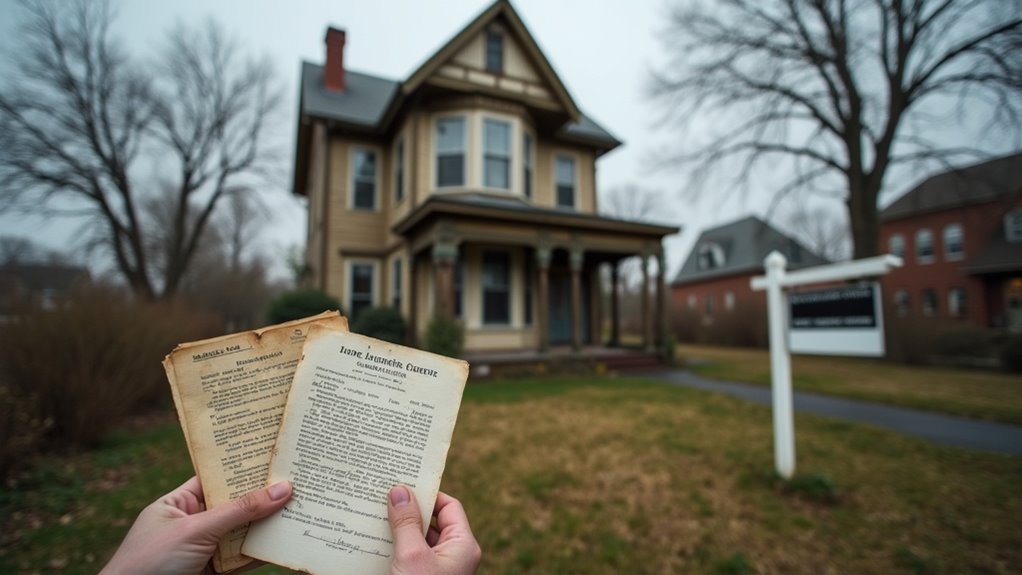
Inheriting property brings a sense of legacy but also a whirlwind of tax uncertainties. Many beneficiaries panic about immediate capital gains taxes on their newly acquired assets. This fear often leads to hasty decisions that could trigger unnecessary tax burdens. Understanding the stepped-up basis rule can save inheritors thousands in potential taxes.
You won’t owe capital gains tax on inherited property unless you sell it above its stepped-up value. The property’s basis resets to fair market value at the owner’s death. This eliminates taxation on appreciation that occurred during the original owner’s lifetime.
In this blog I will explore everything related to capital gains taxes on inherited property.

Capital gains tax on inherited property applies only to profits above the stepped-up basis. When someone inherits property, the tax basis resets to its fair market value on the date of death. No tax is due upon inheritance. Capital gains tax becomes relevant only when selling the property for more than the stepped-up basis.
The tax system treats inherited property favorably. Beneficiaries avoid paying taxes on appreciation that occurred during the original owner’s lifetime. For example, a house purchased for $100,000 but worth $300,000 at death receives a new basis of $300,000.
Additionally, proper documentation of the property’s value at inheritance is essential. Keeping detailed records prevents tax complications later.
No, you don’t pay capital gains tax when you inherit property. The tax obligation occurs only when you sell the inherited asset.
The property receives a stepped-up basis, which equals its fair market value at the owner’s death. This reset value becomes your new cost basis. You owe nothing if you sell at the stepped-up value. Capital gains tax applies only to appreciation that happens after you inherit the property.
For example, if you inherit a house worth $300,000 and sell it later for $350,000, you’ll pay tax on just the $50,000 increase.

When you inherit property, your tax basis gets a major boost with the step-up rule, resetting it to the property’s fair market value at the date of the decedent’s death. You must obtain a qualified appraisal to accurately determine this value and keep proper documentation. Failing to establish and document the fair market value now could cost you significant taxes later if the property appreciates.
Step-up basis resets the tax basis of inherited property to its fair market value at the owner’s death. This creates a major tax advantage for heirs. Capital gains tax only applies to increases in value after inheritance, not before. The original purchase price becomes irrelevant.
For example, if your parent bought a house for $50,000 that’s worth $350,000 when you inherit it, your new basis is $350,000. Subsequently, you can sell immediately for $350,000 with zero capital gains tax.
Proper documentation of the asset’s value at inheritance is legally required. An appraisal should be obtained promptly. In fact, this tax benefit serves as a significant estate planning tool for families.
Fair market value (FMV) establishes your inherited property’s tax basis. The FMV on the date of death becomes your stepped-up basis for future calculations.
Hire a qualified appraiser to determine accurate value. Recent comparable sales provide helpful reference points when establishing worth. The IRS requires documentation supporting your claimed valuation for potential future audits.
Proper assessment prevents overpayment of capital gains taxes when you eventually sell. Furthermore, accurate valuation fulfills your responsibility to manage inherited assets wisely. Consequently, obtaining professional appraisal services soon after inheritance protects your financial interests.
You need specific documents to establish tax basis for inherited property. These documents show the fair market value (FMV) at the time of death.
Qualified appraisal reports must be obtained within a reasonable period after death. Real estate records confirm property values at inheritance time. Market comparisons support your FMV claims during this period. Keep all receipts for improvements to adjust the basis for any upgrades made after inheritance.
Proper documentation protects your financial interests by establishing the correct starting point for future capital gains calculations. Without these records, you may face tax complications later.

Understanding what influences your capital gains is crucial, as factors like how long you hold the property and how you use it can significantly impact your tax liability. If you make improvements or change its use, your gains could increase or decrease accordingly. Don’t overlook state-specific rules, especially in Nebraska, which can further affect your overall tax situation.
Inherited property sale timing affects your tax liability. You receive a stepped-up basis at inheritance, which minimizes capital gains tax if sold quickly. Property value increases over time may result in higher taxes.
Consider selling soon after inheritance to use the stepped-up basis effectively. Holding property for more than one year qualifies for lower long-term capital gains rates. You can also time improvements strategically to adjust your tax basis. As a result, your tax burden may decrease significantly.
Monitor market trends before deciding when to sell. This approach helps you maximize financial benefits while serving your broader goals.
Your use of an inherited property affects your tax situation. Living in the property as your primary residence for at least two years can provide capital gains tax exemptions. You may qualify for reduced or eliminated taxes on gains with this approach. Selling quickly after inheritance often results in minimal taxation due to the stepped-up basis.
Rental or investment use creates different tax considerations than personal use. The IRS treats investment properties differently from primary residences. Your decision timeline matters greatly in this situation.
The best strategy depends on your financial needs and long-term goals. Furthermore, prompt action helps maximize available tax benefits. Capital gains tax on inherited property varies based on how you utilize the asset. Consider consulting a tax professional before making your final decision.
Improvements to inherited property increase your tax basis and reduce capital gains taxes. Documented upgrades after inheritance directly lower your taxable amount when selling the property.
Major renovations like kitchen remodels, bathroom updates, and additions qualify as basis-increasing improvements. Property value enhancements such as new roofing or HVAC systems also count. Similarly, structural repairs that extend the building’s lifespan provide tax advantages.
Always keep detailed receipts, contracts, and before/after photos of all work done. Without proper documentation, you might miss valuable tax deductions. For best results, consult with a tax professional about which improvements qualify for basis adjustments.
Nebraska doesn’t impose state inheritance tax, but counties might tax inheritances from non-relatives. Your primary focus should be understanding how inherited property is taxed upon sale.
Nebraska county inheritance taxes range from 1% to 18% based on your relationship to the deceased. Local property tax rules may apply when you transfer or sell the property. The classification of your property affects potential capital gains calculations.
Proper documentation is essential. You need a formal appraisal to establish fair market value at inheritance. This becomes your stepped-up basis for future tax calculations. In addition, keep all records of improvements made to the property. To avoid tax surprises, consult with a local tax professional before selling.
Capital gains tax on inherited property is due only when you sell the property for more than its stepped-up basis. The property’s value resets to its fair market value on the date of the owner’s death. This reset often minimizes or eliminates capital gains tax for heirs.
You’ll need an appraisal to document this new basis accurately. Furthermore, timing your sale can significantly impact your tax liability. If you’ve used the property as your primary residence for at least two years, you may qualify for an exclusion of up to $250,000 ($500,000 for married couples).
Proper record-keeping prevents unnecessary tax payments. Track all improvements that increase your basis.
To accurately calculate your capital gains tax, you need to determine your new basis in the property, starting with its fair market value at the decedent’s death. Next, identify any qualifying expenses or improvements that can reduce your taxable gain. Finally, compute your gain by subtracting these costs from the sale price and apply the correct tax rates promptly to avoid penalties.
Your new basis equals the property’s fair market value on the date of death. This reset typically increases your basis, reducing future capital gains taxes if you sell.
The IRS allows this “step-up in basis” under tax code Section 1014. To establish your basis, get a professional appraisal immediately after inheritance. Document the value carefully with photos and written assessments. Save all paperwork.
Add the cost of any improvements you make to the property after inheritance. These increase your basis further.
Accurate basis determination prevents tax problems later. Selling at the inherited value creates no taxable gain.
Qualifying expenses include home improvements, renovations, and necessary repairs that add value to your inherited property. These costs can reduce your capital gains tax burden. Eligible expenses must be documented with receipts, invoices, and before/after photos. Major renovations like roof replacements, kitchen remodels, and room additions typically qualify.
Property maintenance costs differ from improvements. Regular maintenance expenses don’t qualify for basis adjustments. However, substantial upgrades that extend property life or add value do qualify.
The IRS allows you to add these qualifying expenses to your property’s basis, effectively reducing your taxable gain when you sell. Keep all records for at least seven years after selling the property. Professional fees for appraisals or tax advice may also qualify as deductible expenses.
Capital gain equals sale price minus the stepped-up basis. Your basis is the property’s fair market value on the date of death. Subtract this from your selling price to find taxable gain.
Only appreciation after inheritance is subject to capital gains tax. The basis includes fair market value plus improvements minus selling expenses. This approach often reduces tax liability significantly.
To minimize taxes, keep records of all property improvements. Professional appraisals help establish accurate fair market value. Remember to document everything. With proper calculation, you’ll pay taxes only on true gains since inheritance.
Capital gains tax rates for inherited property depend on your income level. The federal long-term rates are 0%, 15%, or 20% based on your tax bracket.
You calculate taxable gain by subtracting the stepped-up basis from the sale price. Selling at the exact inherited value results in zero tax liability. Only appreciation that occurs after inheritance faces taxation.
Your tax obligations vary based on how long you hold the property. Consider consulting a tax professional to identify possible exemptions or deductions. This approach helps minimize your tax burden while ensuring compliance with federal regulations.
You need to know the key exemptions that can save you money on capital gains taxes when selling inherited homes. The primary residence exclusion lets you skip taxes if you live in the home for two years, or consider a 1031 exchange for investment properties. Surviving spouses also have special rules that could significantly reduce your tax liability—act now to understand your options.
You can reduce capital gains tax when selling an inherited home by making it your primary residence. The tax code allows up to $250,000 in tax-free gains for individuals or $500,000 for married couples.
This benefit applies when you live in the property for at least two years. To qualify, move into the inherited property within two years of receiving it. Additionally, maintain detailed documentation of your residence period.
As a practical step, consider making improvements to the property. These upgrades increase your cost basis, which further reduces taxable gains when you sell. For instance, renovating kitchens or bathrooms can be particularly beneficial in this regard.
A 1031 exchange lets you postpone capital gains tax when selling inherited property. You must reinvest proceeds into similar property to qualify.
The exchange preserves wealth while you transition between investment properties. You cannot use this strategy for personal residences, only for investment or business properties. The reinvestment must happen within specific timeframes established by IRS regulations.
Alternatively, primary residence exclusion works if you live in the property for two years. The step-up basis option resets property value to fair market value at death. As a result, you pay taxes only on appreciation that occurs after inheritance. Consider consulting a tax professional before proceeding with any option.
Surviving spouses receive significant tax benefits when inheriting a home. These benefits can eliminate or reduce capital gains taxes on inherited property.
The tax code provides a stepped-up basis that resets property value to fair market value at death. This reset minimizes potential capital gains tax. Living in the inherited home as your primary residence for two years allows exclusion of up to $250,000 in gains ($500,000 for couples). Selling immediately after inheritance typically incurs no capital gains tax. Furthermore, any improvements you make increase your cost basis. To preserve your estate’s value, review these exemptions with a tax professional soon after inheritance.
Inherited property generally benefits from a step-up basis, which can significantly reduce capital gains tax obligations. If you decide to sell the property later, you might face taxes on any appreciation since inheritance. The tax situation depends on how long you keep the property and its market performance. Understanding these implications early can help you make informed decisions about your inheritance.
We at HOW Homebuyers see many inheritors struggle with property tax questions. Our team helps property owners across Iowa and Nebraska navigate these complex situations. We buy houses from those who prefer to sell inherited properties quickly and avoid potential tax complications. Many of our clients appreciate having cash rather than managing an inherited property.
If you’re concerned about capital gains on inherited property, consulting with a tax professional is advisable. You might discover exemptions or strategies that could minimize your tax burden. We’ve assisted numerous homeowners who initially didn’t understand their inheritance tax options. Contact us to learn how we can offer a straightforward solution for your inherited property in Iowa and Nebraska.