#1 Homebuyer. Local. Trusted. Family Owned.
We have been buying houses in Nebraska since 1996.


#1 Homebuyer. Local. Trusted. Family Owned.
We have been buying houses in Nebraska since 1996.

#1 Homebuyer. Local. Trusted. Family Owned.
We have been buying houses in Nebraska since 1996.
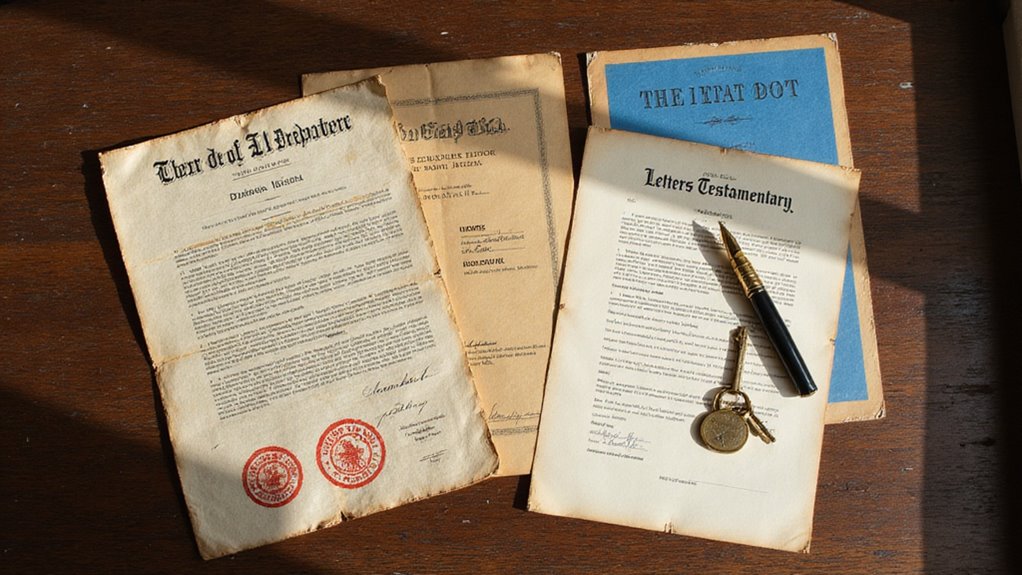
Tangled in a web of paperwork, many heirs lose precious time when selling inherited property. Without proper documentation, you risk costly delays, legal challenges, and potential tax penalties. The process becomes even more stressful during an already emotional time. Fortunately, gathering the right papers beforehand can transform this overwhelming journey into a manageable process.
To sell an inherited property, you must collect several essential documents. These include death certificates, the will or trust, letters testamentary, property deed, and title insurance. Tax documents and disclosure statements round out the legal requirements for a proper transfer.
In this blog I will explore everything about documents needed when selling property you’ve inherited.
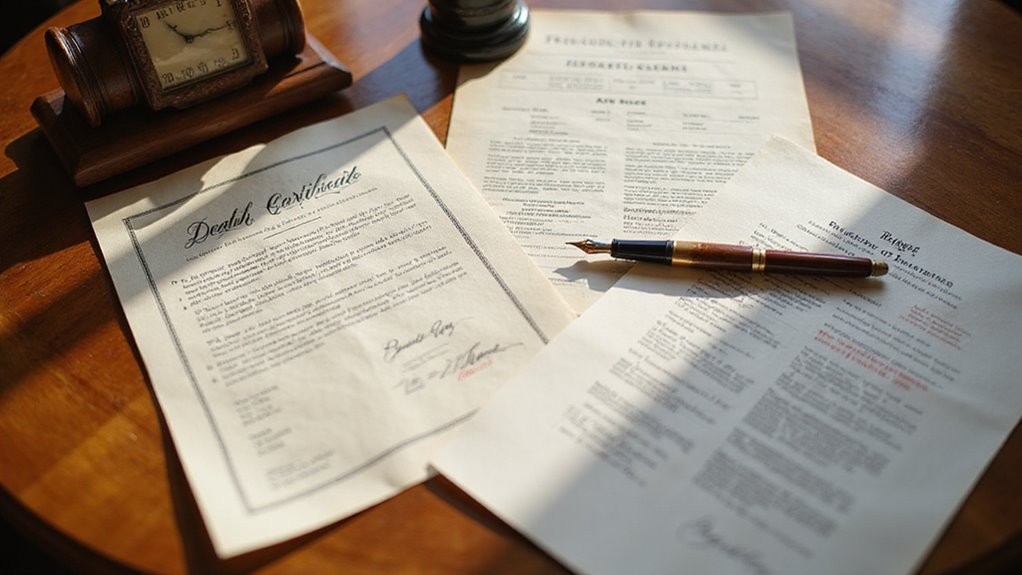
Selling an inherited property requires specific legal documents to prove your ownership rights. You need the death certificate and a copy of the will or trust. Letters Testamentary or Administration from probate court are necessary to establish your authority as executor. The property deed shows ownership transfer history.
Additionally, gather mortgage documents, tax records, and insurance paperwork. An affidavit of heirship might be required in some cases. Meanwhile, title insurance ensures the property has no outstanding claims.
These documents protect both seller and buyer during the transaction. With proper preparation, the sale process becomes more straightforward and legally sound.
To transfer inherited property, you need to understand the probate process and estate administration in Nebraska. You’ll have to get Letters Testamentary or Administration from the court to prove the executor’s authority. Plus, ensure all title transfer documents, like deeds and clearance forms, are in order before you can sell.
Probate transfers inherited property to heirs through legal channels. This court process establishes who has authority over the estate. You’ll need specific documents like Letters of Administration to prove your legal right.
The probate process starts with filing in court. You must submit a death certificate and will to begin the proceedings. If no will exists, the court grants Letters of Administration. This legal document appoints someone to manage the estate.
Furthermore, probate resolves disputes about inheritance rights. Nebraska law requires this process to clear liens and establish clear title. When multiple heirs are involved, proper administration becomes especially important. As a result, following these steps ensures smooth property transfer to rightful heirs.
Letters Testamentary or Letters of Administration authorize you to handle a deceased person’s estate in Nebraska. These documents give you legal power to manage property, pay debts, and distribute assets.
To obtain them, file a petition with the probate court. You’ll need to submit the death certificate and will (if one exists). The court will review your application before issuing the appropriate documents. As a result, you gain legal authority to act on behalf of the estate.
Without these letters, you cannot legally sell or transfer inherited property. This requirement protects all parties involved in the estate. Furthermore, it ensures proper management of assets according to Nebraska law.
The essential documents needed for property title transfer after probate include Letters Testamentary or Administration, current title deeds, and property tax records. You must also gather mortgage payoff statements to verify clear ownership. An affidavit of heirship proves your legal right to inherit the property. Prior deeds and consent agreements from other heirs may be necessary in some cases.
County laws require submission of all succession documents to the recorder’s office to finalize the transfer. This step legally protects the new owner’s rights. The completed process allows for smooth property sale or transfer afterward.
Start by gathering essential documents like the death certificate and the will or trust to prove your ownership rights. An affidavit of heirship can also verify your claim if other documents are unavailable. If there are disputes or uncertainties, court orders or judgments may be necessary to confirm your ownership.
A death certificate proves someone has died and enables property transfer to rightful heirs. This legal document verifies the death occurred and allows inheritance processes to begin. Without it, property transfers cannot proceed legally.
You must obtain an official death certificate from authorized government sources. Your relationship to the deceased requires documentation through an affidavit of heirship. Additionally, gather any court orders or probate paperwork that supports your claim.
These documents create a clear ownership trail. They protect your rights and simplify the property transfer process. Well-organized paperwork prevents delays and disputes among potential heirs.
Review the deceased’s will or trust documents to verify your ownership rights. These legal papers identify property heirs and any inheritance conditions. Check that the will is valid and properly signed. Confirm the trust is active and correctly titled if applicable.
Estate tax returns must be filed in certain cases, depending on the estate’s value. This verification step prevents future legal challenges. It also establishes your authority to sell the property.
Consider consulting an estate attorney for document interpretation. Professional guidance ensures you meet all legal requirements. This protection benefits everyone involved in the transaction.
An affidavit of heirship proves property ownership when probate documents are unavailable. This legal document verifies your relationship to the deceased person and establishes inheritance claims. You must include details about the deceased, information about all heirs, and statements that confirm inheritance rights.
The process bypasses lengthy probate court proceedings. Most affidavits require signing under oath with a notary present. Additionally, you should attach supporting documents like death certificates or executor authority papers.
For many heirs, this document offers a quick solution to property transfer problems. The completed affidavit helps establish clear ownership rights. This clarity makes selling or transferring inherited property much simpler.
Court orders and judgments establish ownership when probate or affidavits aren’t sufficient. These legal documents authenticate your claim to inherited property.
Courts issue specific documents like orders or judgments when heirs disagree about property disposition. You’ll need Letters Testamentary or Administration that confirm your authority to act. These documents provide legal protection during property transfers.
The court may authorize partition or sale through formal orders. A court-ordered partition divides property among multiple heirs according to law. Court approval ensures all transfers meet legal requirements and protects everyone’s interests.
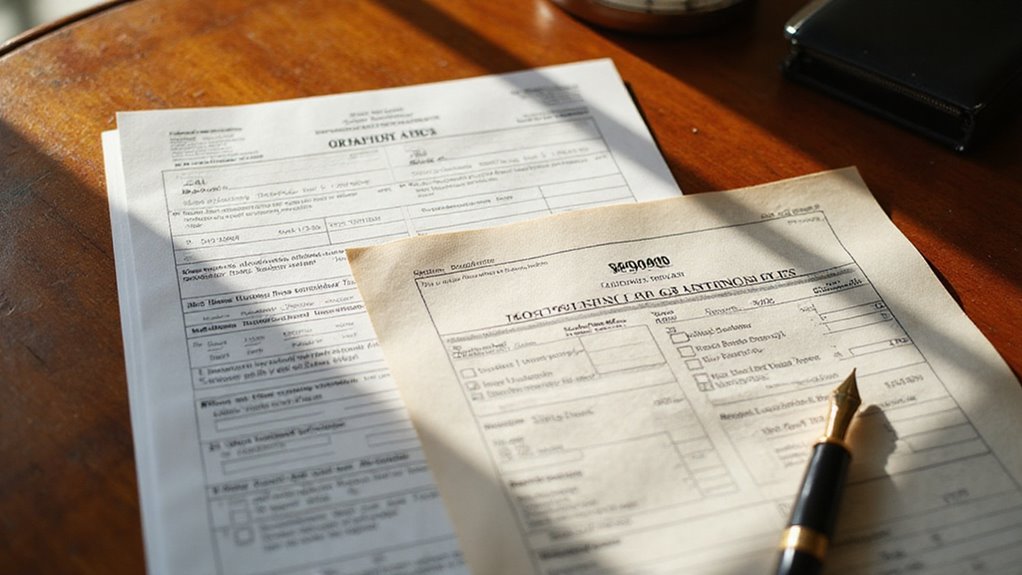
When selling inherited property, you’ll need specific tax documents to stay compliant and avoid delays. These include estate tax returns, inheritance tax documentation, and proof of the step-up in basis. Having these ready ensures a smooth transaction and helps you understand any capital gains tax implications.
You must file estate tax returns and receive clearances before selling inherited Nebraska property. Nebraska law requires inheritance tax documents and an accurate estate inventory for all property transfers. First, submit the inheritance tax return to the county court. Then obtain tax clearance from the Nebraska Department of Revenue. Finally, clear any existing liens or mortgages on the property.
This careful preparation prevents legal complications later. Most counties process properly filed documents within 4-6 weeks. Meanwhile, you can gather other necessary sale documents.
The process protects all heirs and ensures proper ownership transfer. Failure to obtain proper clearances can result in sale delays or potential tax penalties.
You need specific inheritance tax documents for Nebraska property sales. Nebraska inheritance tax forms and property tax clearance proof are required before transferring ownership. These verify all taxes are paid and the estate follows state laws. File any inheritance or estate tax returns first.
Ready documentation prevents delays in the property transfer process. Complete verification shows respect to all parties involved. This approach creates a smooth path forward. In addition, having paperwork organized demonstrates your commitment to a proper transaction.
State inheritance laws must be fully satisfied before title transfer can occur. Your attention to these requirements helps everyone.
You need specific tax documents when selling inherited property. Gather property appraisals, tax records, and sale documentation to calculate your capital gains accurately. These papers establish your property’s stepped-up basis, which often reduces your tax burden.
The IRS requires proof of the property’s fair market value at the time of inheritance to determine your tax liability. A professional appraisal provides this crucial valuation. Property tax statements help verify ownership details and assessment history.
Additionally, keep receipts for any improvements made to the property. These costs can increase your basis and potentially lower your taxable gain. With proper documentation, you can confidently report your transaction and minimize tax complications.
Inherited property requires specific tax documents to establish its stepped-up basis value. You need the property’s value assessment at the decedent’s death date. This typically includes a professional appraisal or market valuation. The executor’s documentation can also serve as evidence.
Additionally, gather the estate’s tax return (Form 706) if one was filed. Property tax assessments near the death date may support your basis calculation. Any home improvement records that increased the property value are also helpful.
In most cases, the fair market value becomes your new basis. Proper documentation prevents IRS challenges and reduces your tax burden upon selling. For complex situations, consult a tax professional familiar with inheritance matters.
When selling inherited property with multiple heirs, you need clear documentation like consent forms from everyone involved. Sometimes, heirs agree to buy each other out or need a court-approved partition to divide the estate fairly. Make sure all agreements and necessary court documents are in place to avoid delays or disputes.
You must obtain signed consent documents from each heir before selling inherited property. This protects everyone’s legal interests and prevents future disputes. All heirs must sign formal agreements indicating their approval of the sale. Proper identification for each heir is essential.
The documentation process requires careful attention. Verify each heir’s identity through government-issued ID. Keep all consent forms organized in a secure location. These records provide necessary legal protection.
Without these consents, property sales often face serious legal complications. Courts may halt transactions when heir approvals are missing. This approach respects each person’s inheritance rights while creating a clear path to complete the sale.
A power of attorney allows someone to act legally on behalf of an heir during property sales. This document becomes crucial when heirs cannot be present or disagree about sale terms. You must submit this paperwork along with Letters Testamentary or Administration from probate court. Nebraska probate laws require proper documentation to establish legal authority for property transactions.
These documents enable you to negotiate, sign papers, and close sales efficiently. Clear powers of attorney protect all heirs’ interests while simplifying the selling process. For inherited property sales, having proper authorization prevents delays and legal complications.
Buy-out agreements allow heirs to purchase each other’s shares rather than divide inherited property. They provide a clean alternative to complicated estate divisions. This method respects everyone’s financial interests while simplifying the transfer process.
You’ll need a detailed property settlement statement, signed agreements from all heirs, and any court approvals required by Nebraska law. These documents create a clear path forward. Furthermore, they help prevent disputes that might arise during the settlement process.
This approach eliminates the need for partition actions in court. All documentation should remain transparent throughout the process. As a result, the sale proceeds fairly for everyone involved.
A partition action legally divides inherited property when multiple heirs want to sell. This court process resolves ownership disputes and ensures fair distribution. All heirs must provide consent documents to demonstrate agreement on property division or sale proceeds.
If heirs cannot agree, courts may order mandatory partition. The process protects everyone’s interests according to law. Additionally, proper documentation includes all necessary court filings and formal notices.
For best results, keep records organized in one place. An experienced attorney can guide you through legal requirements and help avoid costly mistakes. As a matter of fact, professional guidance often speeds up the resolution process.
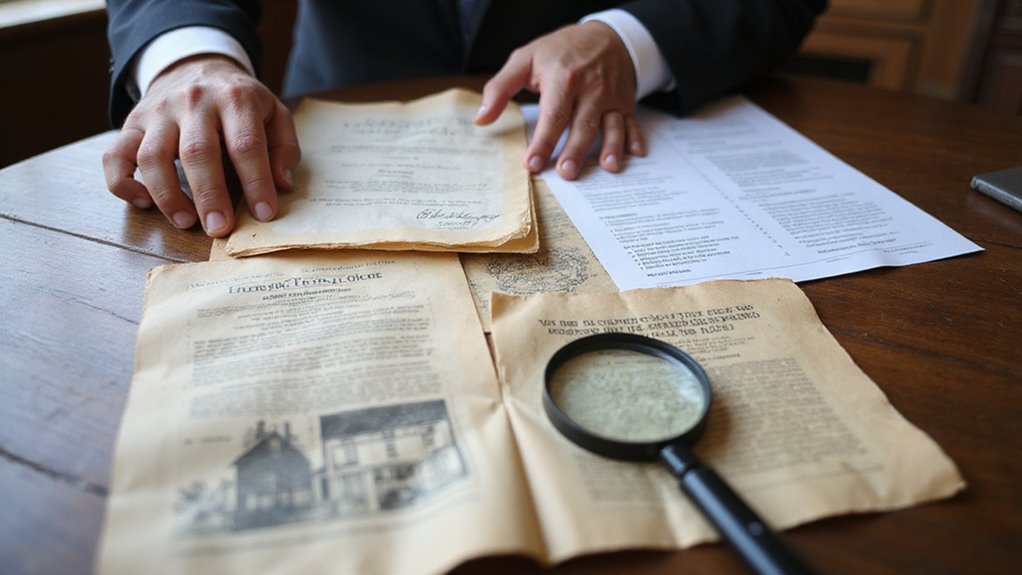
When selling inherited property, you need to provide a property disclosure statement that covers known issues and defects. You should also gather home inspection reports, repair records, and any environmental assessments to be transparent with buyers. Being prepared with these documents helps avoid delays and ensures a smooth sale process.
Nebraska law requires a Property Disclosure Statement when selling inherited property. This document reveals the property’s true condition to potential buyers. You must honestly report all structural problems, repair needs, and environmental hazards.
Sellers must disclose legal issues, liens, and any factors affecting property value. The disclosure protects both parties during the transaction. Accurate completion helps prevent future disputes and legal complications.
This transparency builds trust with buyers during estate sales. Probate properties deserve special attention to detail when completing these forms. Most buyers appreciate thorough disclosures that remove uncertainty from their purchase decision.
Home inspection reports document a property’s physical condition before sale. They reveal structural issues, system failures, and needed repairs to potential buyers. These reports form a key part of legal disclosure requirements when selling inherited properties.
Buyers often use inspection findings to negotiate price reductions or request repairs before closing. A professional inspector checks foundations, roofs, electrical systems, and plumbing. The resulting report includes photos and detailed explanations of all concerns.
Meanwhile, sharing these reports demonstrates transparency and builds trust with buyers. This honest approach prevents future legal disputes about undisclosed problems. For inherited properties, inspection reports complement death certificates and property valuations.
Proper repair records prove your property’s condition history to buyers. Keep detailed maintenance logs, upgrade receipts, and repair documentation to build transparency. These records help prevent disputes about property condition after sale.
Complete documentation should include mortgage statements and payoff information to confirm clear title status. Previous inspection reports and active warranties also provide valuable context for potential buyers. Local disclosure laws may require specific maintenance records depending on your location.
This approach demonstrates your commitment to honesty while creating a smoother transaction process. Buyers appreciate thorough information that helps them make confident decisions. Furthermore, clear documentation protects you from future claims about undisclosed issues.
Environmental assessments identify contamination and hazards on a property before purchase. These evaluations protect buyers from future liability issues and legal complications. Buyers should request all relevant environmental reports during the due diligence period.
Property condition disclosures must include any known environmental risks by law. Sellers are required to disclose all property liens related to environmental remediation. Properties with contamination history need clearance certificates before closing can occur. Furthermore, these documents build trust between parties.
Addressing environmental concerns early prevents costly delays. Proper documentation ensures a smooth property transfer. Most importantly, both parties benefit when environmental factors receive proper attention.
When you’re selling inherited property, lenders often ask for specific documents to verify clear title and loan payoff. You’ll need to provide mortgage payoff statements, lien release documentation, and possibly a recent property survey. Don’t forget to gather homeowners association documents if applicable, as they can impact the sale process.
A mortgage payoff statement shows the exact amount needed to close a mortgage on inherited property. This document includes the remaining balance, interest, and any fees due. Your lender provides this statement upon request.
You need to submit the current mortgage statement from your lender. A signed authorization form is also required to release payoff information. Lenders may request additional verification documents according to their specific policies.
Preparing these materials in advance accelerates the sale process. Furthermore, it ensures all liens are properly cleared. Always contact your lender directly for their exact requirements before proceeding.
A lien release form from your lender proves your mortgage is paid in full. This document confirms all claims against your property have been satisfied. You may also need a property encumbrance certificate to verify no other claims exist.
These papers protect everyone by showing the property has a clear title. The new owner gains peace of mind knowing no surprise debts will appear later. Lenders are legally required to provide lien releases within 30 days of final payment in most states. Submit these documents early to prevent delays during closing.
Property surveys verify land boundaries when selling inherited real estate. Most lenders require a recent survey and proper identification documents to confirm the property’s exact dimensions. You must provide current survey reports, boundary maps, and any previous survey documentation. These papers ensure clear title transfer and prevent future disputes.
Complete documentation builds confidence for all parties involved in the transaction. Furthermore, accurate surveys protect both buyer and seller interests.
The survey process helps identify any potential encroachments or easement issues. Subsequently, addressing these problems early prevents closing delays and legal complications.
HOA documents are required when selling inherited property to satisfy lender requirements. Lenders need proof that the property meets HOA standards and has proper insurance coverage. Three essential documents include the homeowner’s insurance policy, property boundaries documentation, and HOA fee statements.
These papers verify property protection, confirm boundary compliance, and show payment status. The insurance policy proves the home is covered against damage. Boundary documents establish clear property lines. Fee statements demonstrate you’ve maintained financial obligations to the association.
With proper documentation, the sale process becomes smoother for all parties involved. Furthermore, having these materials organized helps prevent delays during closing.
Selling an inherited property requires proper documentation to ensure a smooth transaction. The death certificate, probate papers, and title deeds are essential when transferring ownership. If multiple heirs are involved, clear paperwork prevents potential disputes and delays. Having these documents organized will save time and reduce stress during the selling process.
At HOW Homebuyers, we understand the challenges of selling inherited properties in Nebraska and Iowa. We buy houses in popular cities throughout both states without complicated paperwork. If you’re feeling overwhelmed by documentation requirements, we can help simplify the process. Our team will guide you through each step of selling your inherited property.
When you work with us, you won’t need to worry about extensive repairs or staging. We purchase properties in any condition, making the selling process easier for heirs. If you’re ready to sell your inherited property quickly, contact HOW Homebuyers today. We offer fair cash offers and can close on your timeline.