#1 Homebuyer. Local. Trusted. Family Owned.
We have been buying houses in Nebraska since 1996.


#1 Homebuyer. Local. Trusted. Family Owned.
We have been buying houses in Nebraska since 1996.

#1 Homebuyer. Local. Trusted. Family Owned.
We have been buying houses in Nebraska since 1996.

Facing the taxman after inheriting Grandma’s cherished lakeside cottage can feel like navigating a financial minefield. Many heirs mistakenly assume they’ll owe massive taxes immediately, creating unnecessary stress during an already emotional time. Understanding the concept of stepped-up basis and capital gains rules can save you thousands in potential tax liabilities.
When you sell inherited property, you generally won’t pay capital gains tax if you sell it for the same or less than its stepped-up basis. This stepped-up basis equals the property’s fair market value on the date of the original owner’s death. You’ll only owe taxes if you sell for more than this amount.
In this blog I will explore everything related to taxation of inherited property when sold.
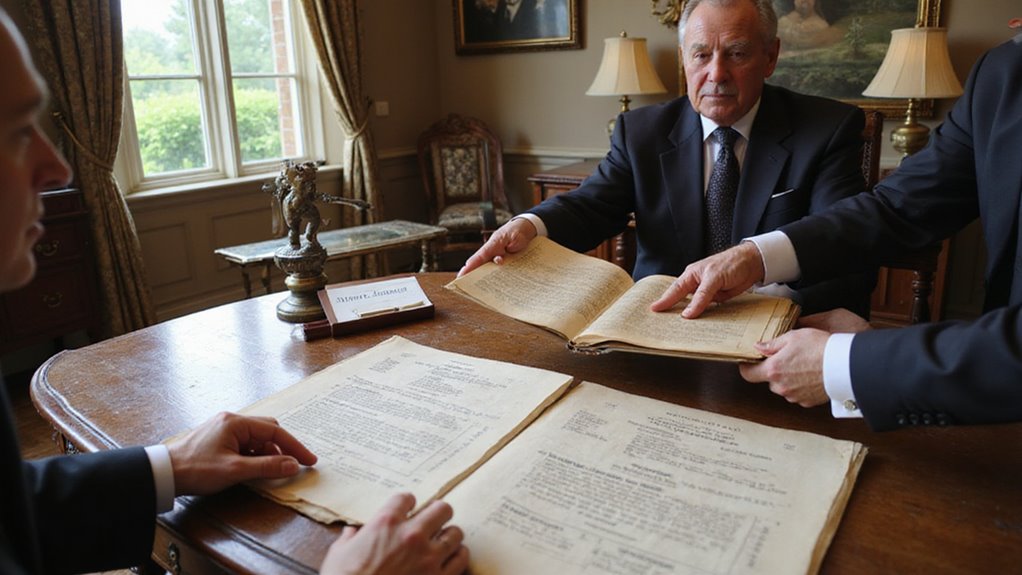
Inheritance tax is a government fee charged on property you receive from someone who died. You pay this tax based on the value of what you inherit. Tax rates and exemptions vary by state and your relationship to the deceased person.
Close relatives often pay lower rates or nothing at all. For example, in Nebraska, immediate family members face different tax rates than distant relatives. Planning ahead helps preserve more wealth for your beneficiaries.
Many people work with financial advisors to minimize these taxes. This preparation allows families to transfer assets more efficiently after death.
Your cost basis for inherited property is reset to its fair market value (FMV) on the date of the decedent’s death, known as the stepped-up basis. To determine this value, you’ll need an accurate appraisal or comparable sales data, along with proper documentation. Keeping detailed records is essential for calculating gains and supporting your tax position if you sell.
Stepped-up basis refers to the adjustment of an inherited asset’s cost basis to its fair market value at the owner’s death. This tax benefit eliminates capital gains that occurred during the decedent’s lifetime. You only pay taxes on gains that happen after you inherit the property.
When you sell inherited assets, your taxable profit starts from this new stepped-up value. For instance, stocks purchased at $10,000 but worth $50,000 at inheritance have a $50,000 basis. As a result, the $40,000 gain is never taxed.
Furthermore, proper documentation of the asset’s value on the date of death is crucial. Tax law requires evidence of fair market value through professional appraisals or financial statements. This documentation protects you during potential tax audits.
Fair market value (FMV) is the price property would sell for between willing buyers and sellers. Get a professional appraisal or research comparable sales near the death date. The FMV becomes your stepped-up basis, potentially reducing capital gains tax when you sell.
Furthermore, keep all documentation of the valuation method. The IRS requires proof of FMV to calculate your taxable gain upon sale. Accurate assessment protects you during audits and ensures fair tax treatment.
In essence, proper FMV determination helps manage tax obligations responsibly while maximizing your financial benefit from inherited assets.
You need accurate documentation to establish cost basis for inherited property. Essential records include appraisals showing fair market value at death date and proof of property improvements. The stepped-up basis relies on this documentation for correct tax calculations when you sell the inherited asset. Keep all valuation reports, sale documents, and improvement receipts organized in one place.
These records protect you during potential IRS audits. Complete documentation also helps you serve beneficiaries by managing inheritance matters properly. Your record-keeping ensures only gains above the stepped-up basis face taxation. Furthermore, well-maintained files simplify future property transactions and tax filings.
No, you typically don’t pay capital gains tax on inherited property when selling at or below the stepped-up basis. Tax applies only if you sell above this basis value. Your tax basis resets to fair market value at the time of inheritance.
Federal capital gains tax may apply to the difference between selling price and stepped-up basis. Nebraska doesn’t have a state capital gains tax. This favorable tax treatment helps protect inherited wealth from excessive taxation.
Keep all property documents and valuation records. These papers ensure accurate reporting on your tax return. The tax impact varies based on your relationship to the deceased. Close relatives often receive more favorable treatment than distant connections or non-family beneficiaries.

When you sell inherited property, your capital gains tax depends on how long you’ve held it and your basis adjustment. Short-term gains are taxed at ordinary rates if sold within a year, while long-term gains benefit from lower rates after holding more than a year. Understanding these timelines, along with available exclusions and deductions, helps you accurately calculate your tax liability.
Capital gains tax rates depend on how long you’ve owned the property before selling. Short-term capital gains apply to assets held one year or less and are taxed at your ordinary income rate. Long-term capital gains apply to assets held longer than one year and are taxed at lower rates. Nebraska residents only pay federal capital gains taxes since the state doesn’t impose this tax.
Strategic timing of property sales can significantly reduce your tax burden. Planning your sale after the one-year mark often results in substantial tax savings. As a result, many investors hold valuable assets slightly longer to qualify for preferential tax treatment. Federal long-term capital gains rates currently range from 0% to 20% depending on your income bracket.
You must subtract your stepped-up basis from the sale price of inherited property. The property’s value resets to its fair market value on the date of death. This new basis determines your capital gains tax.
Get a professional appraisal to establish the property’s exact value at inheritance. Your gain will be taxed at different rates depending on how long you owned the property after inheriting it. Keep all receipts and documentation related to the property.
As a final step, consult with a tax professional. They can identify potential deductions you might otherwise miss.
Several tax strategies can reduce what you owe when selling inherited property. Most sellers cannot claim the $250,000 or $500,000 home sale exclusion without living in the property first. Tax law requires you to occupy the home as your primary residence for at least two of the five years before selling.
You can still benefit from other deductions. The stepped-up basis allows you to use the property’s value at the time of inheritance rather than the original purchase price. Additionally, you may deduct improvement costs, selling expenses, and property taxes.
For these reasons, keep detailed records of the inheritance date value, improvements, and all selling costs.

You can reduce taxes when selling inherited real estate by leveraging strategies like using the primary residence exclusion if you’ve lived there for at least two years. Consider a 1031 exchange to defer capital gains if you plan to reinvest in like-kind property. Additionally, timing your sale and offsetting gains with losses from other investments can further minimize your tax liability.
You can avoid capital gains taxes on inherited real estate by using it as your main home. The federal home sale exclusion applies when you live in the property for at least two of the last five years. This strategy helps reduce tax burden on your inheritance.
To qualify, the home must be your primary residence, not an investment property. You’ll need to meet ownership requirements and keep proof of your living arrangement. Furthermore, proper documentation is essential.
This exclusion serves as a valuable tool for preserving wealth. With careful planning, you can minimize taxes and maintain more of your inherited assets.
A 1031 exchange lets you defer capital gains taxes when selling inherited real estate. You must reinvest proceeds into similar properties. This strategy preserves your investment capital and builds wealth faster.
The IRS requires you to identify replacement properties within 45 days of selling. You must complete the entire exchange within 180 days. These timelines are strict and non-negotiable. Furthermore, you can’t access sale proceeds during the exchange.
Qualified intermediaries handle the transaction details. They hold funds and prepare documentation. As a result, you avoid direct contact with money that could invalidate the exchange.
You can reduce taxes by matching capital losses against capital gains from inherited real estate sales. This strategy lowers your overall tax bill. The IRS allows you to offset profits with losses from other investments.
Tax rules permit you to use losses from stocks, bonds, or other property against real estate gains. For maximum benefit, review your investment portfolio before selling inherited property. Many investors strategically sell underperforming assets to balance profitable sales.
Keep organized records of all transactions. Document improvement costs, purchase dates, and selling prices. These details ensure you claim every possible deduction when filing taxes.
The best time to sell inherited property depends on your tax situation and financial needs. Selling right after inheritance often results in minimal taxes due to stepped-up basis rules. You might pay almost no capital gains tax in this scenario.
Property held for over one year qualifies for lower long-term capital gains tax rates of 0%, 15%, or 20% depending on your income bracket. Market conditions matter too. A strategic delay during market downturns can lead to better sales prices later.
Consider your immediate cash needs against potential future appreciation. The timing choice ultimately balances your current financial situation with tax optimization opportunities.
State inheritance taxes vary widely across the US. Only six states currently collect inheritance tax: Iowa, Kentucky, Maryland, Nebraska, New Jersey, and Pennsylvania. Tax rates and exemptions differ based on your relationship to the deceased. Close relatives typically enjoy lower rates or complete exemptions. Non-relatives often face higher tax rates.
Additionally, each state has unique rules about filing deadlines and payment schedules. Property inherited in tax-collecting states may require professional appraisals to establish fair market value. This documentation helps avoid disputes with tax authorities later. For accurate planning, consult a tax professional familiar with your specific state’s inheritance laws.
When reporting the sale of inherited property, you need to use IRS Form 8949 and Schedule D to accurately record your transaction. Keep detailed records of the property’s appraisal, sale documents, and any improvements, as these support your reported gain or loss. Be aware of filing deadlines and extensions to ensure timely submission and compliance with tax regulations.
Form 8949 and Schedule D are needed to report inherited property sales on your taxes. These forms document your capital gains or losses properly. You must keep records of the property’s fair market value at death, sale documents, and improvement costs.
Your stepped-up basis and sale price determine the taxable amount. As a result, you’ll avoid potential audits and comply with tax requirements. Submit these forms with your federal tax return, especially for sales within one year of inheritance.
Following these guidelines ensures accurate reporting and prevents issues with the IRS. Moreover, proper filing demonstrates responsible tax compliance.
Keep complete records of your inherited property sale for tax purposes. You need an appraisal showing the property’s fair market value at death. This establishes your cost basis for calculating capital gains.
The IRS requires documentation of the property’s value, sale price, and any improvements you made. Save settlement statements, improvement receipts, and professional appraisals. These records verify your tax calculations if questioned.
Store these documents securely for at least three years after filing. However, keeping them for seven years provides better protection during potential audits. Well-organized records make tax filing easier and help you claim all entitled deductions.
The standard tax filing deadline is April 15 each year. You can request an extension until October 15 using IRS Form 4868. Federal law requires timely filing to avoid penalties and interest charges on any taxes owed.
Extensions give you more time to file, not more time to pay. Submit your payment estimate by the original deadline to prevent penalties. Keep all documentation related to your inherited property sale, including appraisals and improvement records.
Furthermore, proper filing maintains transparency and demonstrates compliance. Your careful attention to deadlines helps ensure accurate tax calculation while minimizing financial stress.
Understanding the tax implications of inherited property can make a significant difference in your financial outcome. When you sell inherited assets, the stepped-up basis often works in your favor. If you document everything properly, you’ll face fewer complications with capital gains taxes. Your preparation today can prevent tax headaches tomorrow.
At HOW Homebuyers, we understand the complexities of selling inherited properties in Iowa and Nebraska. We help clients navigate inheritance tax requirements that vary between these states. Our team specializes in streamlining the selling process for inherited homes in Omaha and Des Moines. We can assist you with the documentation needed for proper tax reporting.
When selling inherited property, timing can impact your tax obligation considerably. If you wait at least a year before selling, you might qualify for lower tax rates. We recommend consulting with a tax professional about your specific situation. Our experience buying houses throughout Nebraska and Iowa has shown us that informed sellers typically achieve better financial outcomes.