#1 Homebuyer. Local. Trusted. Family Owned.
We have been buying houses in Nebraska since 1996.


#1 Homebuyer. Local. Trusted. Family Owned.
We have been buying houses in Nebraska since 1996.

#1 Homebuyer. Local. Trusted. Family Owned.
We have been buying houses in Nebraska since 1996.
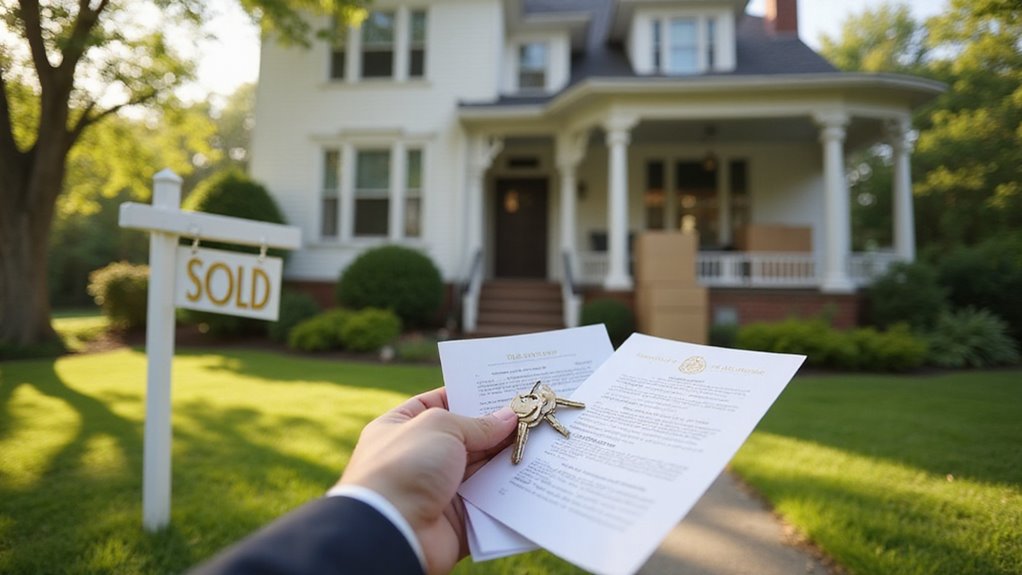
Navigating the probate maze while trying to sell an inherited property feels like walking through quicksand in the dark. Executors often struggle with timing, unsure when they can legally list the house. This uncertainty creates stress during an already emotional period. Understanding the correct timeline can save you from legal complications and financial headaches.
Once probate is granted, you can sell the house immediately if all legal requirements are met. There’s no mandatory waiting period, but you must follow proper procedures. These include having Letters Testamentary and ensuring the title deed is transferable.
In this blog I will explore everything related to selling a house after probate is granted.
You can sell a house immediately after receiving probate grant. The executor gains legal authority to sell once Letters Testamentary are issued by the court. No mandatory waiting period exists after probate approval.
Several steps must happen before closing the sale. The property requires proper appraisal according to legal requirements. All interested parties need notification about the pending sale. The executor should resolve any creditor claims first.
Timing matters in probate property sales. Acting promptly helps beneficiaries receive their inheritance sooner. Moreover, addressing legal requirements early prevents unexpected delays later. For best results, begin preparing the house for sale as soon as you receive probate authorization.
Probate is the legal verification process for a deceased person’s will. It ensures proper asset distribution and validates the executor’s authority. Courts must approve all property transfers before sales or distributions can occur.
This process protects heirs by confirming debts are paid and assets go to rightful beneficiaries. Executors must handle multiple responsibilities like property appraisals and notifying relevant parties. Furthermore, they must resolve any disputes that arise during the process.
Once granted, probate gives executors legal power to act on behalf of the estate. This authority allows property transactions and ensures distributions follow both legal requirements and the deceased’s wishes. As a result, beneficiaries receive their inheritance according to established plans.

The probate process in Nebraska typically lasts 6 to 12 months, but delays can happen. Factors like disputes, title issues, or unpaid taxes can extend this timeline significantly. If you need to sell quickly, investigate expedited probate options to speed up the process.
Standard probate in Nebraska typically takes 6 to 12 months. The process length depends on case complexity and court backlogs. Nebraska law requires executors to complete several steps, including property appraisal and creditor notification.
You can usually list the property once probate is granted. Family disputes or unresolved debts may cause delays. Incomplete paperwork can also extend timelines significantly.
To expedite the process, gather all necessary documents early. Furthermore, consider consulting with a probate attorney familiar with local procedures. Courts require proper notification to all interested parties before proceeding with property sales.
Probate typically takes 6 to 12 months but can extend significantly due to specific complications. Disputes among beneficiaries and contested wills often add months or years to the process. Unresolved debts and unclear property titles create substantial delays. Court intervention becomes necessary when family conflicts arise.
Tax issues further complicate matters. Errors in filing estate taxes or incomplete paperwork can stall proceedings indefinitely. Missing deadlines for document submission creates additional obstacles. Moreover, complex estates with numerous assets require more thorough evaluation.
To minimize delays, address potential problems early. Keep all documents organized and accurate. Maintain open communication with all involved parties. In many cases, working with an experienced probate attorney helps navigate these challenges efficiently.
Several legal shortcuts can speed up probate when settling an estate. Small estate affidavits allow heirs to bypass full probate for estates under certain value thresholds. Nebraska law permits summary administration for estates valued below $50,000. Court-approved sales help executors sell property more quickly once probate begins.
Executors can accelerate the process by filing all paperwork correctly the first time. Courts prioritize complete applications with proper documentation. Furthermore, clear communication with beneficiaries prevents disputes that cause delays.
The most effective approach combines proper preparation with knowledge of local expedited options. As a result, estates can sometimes be settled in weeks rather than months.

No, you typically cannot sell a house before probate is granted. The court must first authorize an executor to manage the estate.
Legal sales require Letters Testamentary or similar court approval documents. You also need clear property title and proper valuation. All interested parties must receive notification and agree to the sale terms.
Attempting to sell without probate approval creates significant risks. The transaction might face challenges or become invalid. You could encounter delays, family disputes, or personal liability issues.
Following proper procedures protects everyone involved. The correct legal path ensures smooth transfer of ownership and prevents future complications.
Once you have probate, you need to act fast to sell the house efficiently. Prepare all necessary documentation, choose the right buyer—whether an agent or cash investor—and set a competitive price to attract offers quickly. Steering through legal requirements and properly distributing proceeds will ensure a smooth sale and protect your interests.
You need specific documents to sell a house after probate. Start by gathering the Letters Testamentary that proves your selling authority. Obtain the property title deed showing clear ownership status. These papers establish your legal right to proceed.
The court requires the death certificate, probate approval documents, and property transfer forms before any sale can occur. Collect all tax records and information about outstanding debts against the property. This preparation prevents costly delays later.
Financial documents like mortgage statements and tax assessments must accompany your submission. Complete files demonstrate transparency to potential buyers. With proper documentation, the sale moves forward quickly for all beneficiaries.
Estate agents offer higher selling prices while cash buyers provide faster transactions. Estate agents bring professional marketing and wider exposure to potential buyers. Cash buyers eliminate showing the property and complex negotiations.
Sale prices can be 10-15% higher with estate agents, but the process may take 2-3 months longer. Your decision depends on your priorities after probate. Moreover, estate agents charge commissions while cash buyers have minimal fees.
For quick resolution, cash buyers complete transactions within 7-14 days. In contrast, traditional sales require repairs, viewings, and buyer mortgage approvals. The best choice balances the estate’s financial needs with time constraints.
Accurate pricing helps probate properties sell faster while maximizing estate value. Start by getting a professional appraisal from a licensed appraiser. Real estate comps from the last 3-6 months provide crucial market context. Consider the property’s condition and any needed repairs when setting your price.
Market conditions matter too. In seller’s markets, you might price slightly higher. During buyer’s markets, competitive pricing becomes essential. Furthermore, remember that probate buyers often expect discounts for the perceived complications.
Local probate laws may require court confirmation of sales in some jurisdictions. This affects your pricing strategy. A probate real estate specialist can guide this process effectively.
Selling a house after probate requires careful attention to Nebraska laws. The probate process typically takes 6 to 12 months to complete. You must notify all interested parties about the sale.
Property appraisal is necessary to establish fair market value. Nebraska probate statutes require court approval for certain property sales. This approval prevents potential legal challenges later.
Common delays occur from title problems or creditor claims against the estate. For this reason, maintaining accurate documentation is essential. Furthermore, addressing any property disputes early helps prevent extended delays.
You must distribute proceeds according to the will or Nebraska law after completing the sale. Prompt distribution prevents delays in inheritance. This serves all beneficiaries fairly.
Pay all outstanding debts and taxes first. Nebraska law requires settling obligations before distributing assets to heirs. This protects everyone from potential legal issues. Furthermore, proper payment order maintains the estate’s integrity.
Divide remaining funds based on legal instructions. Keep detailed records of all transactions. Additionally, maintain regular communication with beneficiaries throughout this process.
Swift distribution benefits everyone involved. Clear documentation prevents misunderstandings. As a result, the estate closes efficiently and heirs receive their rightful inheritance.
Delays after probate can hit quickly if title issues, debts, or beneficiary disputes arise, stalling your sale. Outstanding liens or unresolved claims often require court approval, adding weeks or months to the process. Market conditions also impact how fast you can close, so stay alert and prepared for unexpected hurdles.
Title issues can completely stop a house sale. Unresolved beneficiary conflicts and unclear title histories cause the most common delays. Such problems often persist even after probate completion. Clear documentation and properly identified beneficiaries prevent these issues.
Several problems require immediate attention. Beneficiary conflicts may delay court approval or property transfer. Unresolved liens complicate title clearance. Disputed ownership arises from missing or contradictory records. Furthermore, these situations create unnecessary stress for all parties.
Swift resolution serves everyone’s interests. Professional legal consultation helps identify potential roadblocks early. Complete title searches reveal problems before they derail your sale. As a result, you can move forward without extended delays or costly complications.
Debts and liens must be settled before selling a house in probate. Estate debts have priority and must be paid prior to transferring property ownership. Creditors can file claims even after probate begins, requiring immediate attention. This often extends the timeline for selling.
The court may impose additional requirements when debts remain unpaid. Unresolved liens can prevent clear title transfer, making the property unmarketable to buyers. As a result, heirs might wait longer for their inheritance.
To avoid delays, address all financial obligations promptly. A thorough review of estate finances helps identify potential issues early. Furthermore, working with creditors to resolve claims quickly benefits everyone involved.
Beneficiary conflicts delay house sales after probate when heirs disagree about property decisions. These disputes often center on inheritance rights and asset distribution. Approval from all beneficiaries is usually required before selling the property. This requirement creates roadblocks when family members cannot reach consensus.
Disputes over asset distribution, contested wills, and disagreement among multiple heirs can extend the timeline by months or years. Furthermore, emotional attachments to family property often complicate these discussions. Legal mediation may become necessary to resolve standoffs.
Quick conflict resolution saves time and money for everyone involved. Professional mediators can facilitate productive conversations between disagreeing parties. As a result, the property can be sold and proceeds distributed according to legal requirements.
Market conditions directly affect how quickly you can sell a house after probate. Slow housing markets, economic downturns, and high interest rates often delay sales. A sluggish market may extend your timeline for finding qualified buyers. Probate properties can take 20-50% longer to sell during market downturns.
In challenging markets, pricing competitively becomes essential. Working with experienced real estate agents or investors can help overcome market obstacles. Moreover, aggressive marketing strategies may attract more potential buyers.
Knowledge of current trends helps you set realistic expectations and plan accordingly. This awareness enables better decision-making throughout the estate selling process.
Once probate is granted, you need to act fast to sell the property, and there are several options to consider. You can list on the traditional real estate market, work with cash home buyers, auction the house, or sell privately to investors—each offers different speed and convenience. Choosing the right approach can significantly cut down your selling timeline and help you move forward quickly.
You can sell a probate property through regular real estate channels after receiving probate grant. Quick sales require proper preparation and timing. Focus on accurate property appraisal first.
All legal documentation must be complete before listing. Notify relevant parties about the sale according to probate laws. Choose a real estate agent with estate sale expertise. Their knowledge helps navigate complex situations.
Furthermore, resolving disputes early prevents delays later. Clear titles and prompt responses to creditor claims speed up the process. This approach serves beneficiaries best by closing sales efficiently during difficult times.
Cash home buying companies purchase properties directly for immediate cash payment. They offer fast closings for estate settlements after probate, typically within days or weeks. These companies bypass traditional sale requirements like inspections and financing approvals. You won’t need to make repairs or host showings.
Companies must follow Nebraska probate laws when purchasing estate properties. Most buyers can complete transactions in 7-14 days once paperwork is approved. Verify the buyer’s reputation before proceeding with any offer.
For heirs needing quick asset distribution, cash buyers provide a straightforward solution. However, always compare their offer against current market values. This approach works best when time constraints outweigh maximum profit considerations.
Auction houses sell probate properties quickly, often within weeks of court approval. This method works well for executors needing fast estate liquidation.
Properties with clear titles sell more efficiently and avoid legal complications. Consider setting a reasonable reserve price to generate competitive bidding. The court and beneficiaries must approve the sale terms beforehand. As a result, preparation becomes essential.
This approach trades potentially lower sale prices for speed and certainty. Families facing time pressure or carrying costs benefit most from auction sales. In addition, auctions create a transparent process that all beneficiaries can witness.
Private sales to investors offer a fast way to settle probate properties. Court approval must be obtained first. This approach bypasses traditional listing processes and provides quicker relief for heirs.
Executors must ensure the sale complies with Nebraska probate laws. All interested parties need proper notification about the transaction. Furthermore, investor sales typically close faster than traditional routes.
Clear documentation speeds up the process considerably. Swift negotiations help avoid unnecessary delays. As a result, assets can be distributed sooner to beneficiaries.
This method helps executors fulfill their duties efficiently. It also minimizes complications from disputes or title issues along the way.
Once probate is granted, selling an inherited house becomes legally possible. If all documentation is complete, the sale can proceed immediately. However, delays may occur when disputes or outstanding debts exist. The timeline varies depending on the complexity of the estate and local regulations.
We at HOW Homebuyers understand the challenges of selling inherited properties. Our team specializes in purchasing houses in popular Iowa and Nebraska cities. We offer streamlined solutions that eliminate the stress of lengthy traditional sales. Our process helps executors fulfill their duties while maximizing returns for beneficiaries.
If you’re ready to move forward after probate, consider working with experienced buyers. We can provide quick closings without the hassle of repairs or staging. Our cash offers allow you to settle the estate efficiently and distribute assets to heirs. Contact HOW Homebuyers today to discover how we can help with your inherited property needs.