#1 Homebuyer. Local. Trusted. Family Owned.
We have been buying houses in Nebraska since 1996.


#1 Homebuyer. Local. Trusted. Family Owned.
We have been buying houses in Nebraska since 1996.

#1 Homebuyer. Local. Trusted. Family Owned.
We have been buying houses in Nebraska since 1996.
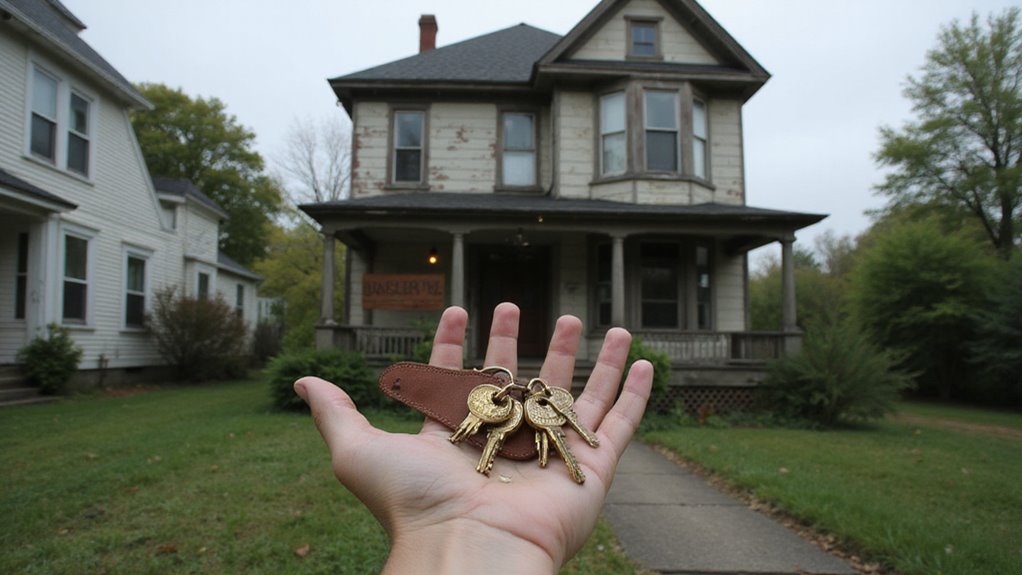
Standing in the empty house your grandma left you, keys in hand, memories flooding back—what now? Inheriting property brings a whirlwind of legal procedures, financial decisions, and emotional attachments. The maze of probate, property taxes, and potential repairs can quickly overwhelm anyone during an already difficult time. Fortunately, with proper guidance and understanding your options, you can transform this inheritance from burden to benefit.
When you inherit a house, you must first navigate probate court to legally transfer ownership. Then you’ll need to decide whether to live in it, rent it out, or sell it. These decisions should align with your financial situation and long-term goals.
In this blog I will explore everything about selling an inherited house and making the best choice for your situation.
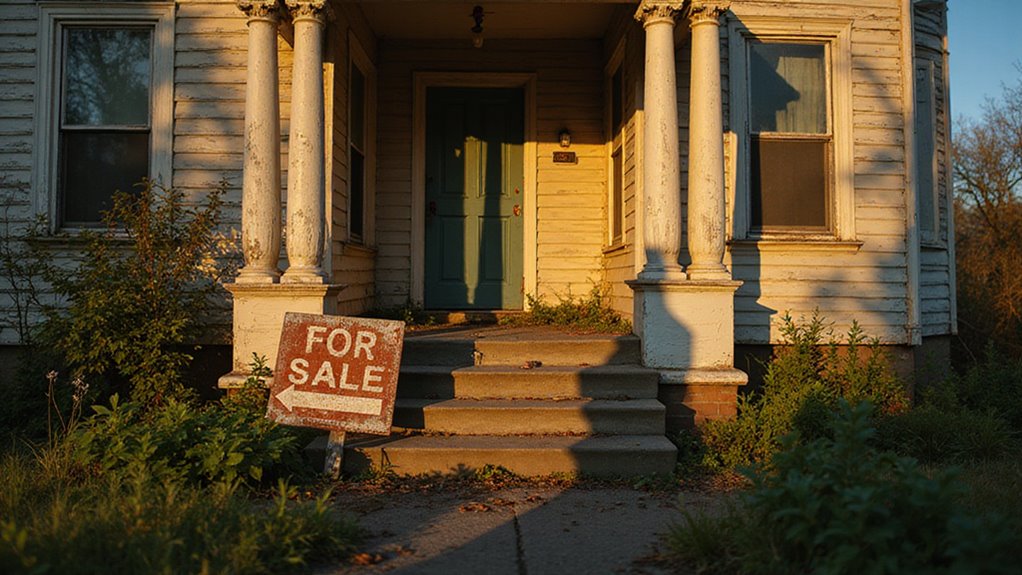
When you inherit a house, the first step is legally transferring ownership through probate, which involves court approval and recording the deed. You’ll also need to consider taxes, like federal estate tax or county levies, especially if the property is valuable or distant relatives are involved. Don’t forget about mortgage and debt obligations—these must be settled before you can sell or fully own the property.
Inherited property transfer in Nebraska requires probate unless a living trust or transfer-on-death deed exists. The probate court confirms will validity or applies intestacy laws when no will exists. You must gather the death certificate, probate order, and inheritance documentation.
Recording a new deed in your name completes the ownership transfer process. This legal step must happen before selling or transferring the property further.
Proper documentation protects your rights and simplifies any future transactions. The complete process provides clarity for all parties involved and ensures peace of mind during a difficult time.
Nebraska imposes inheritance taxes only on non-immediate family members. Spouses and children are completely exempt from state inheritance tax. The tax rates vary from 1% to 18% depending on relationship to the deceased and property value.
County officials collect these taxes, not the state government. Federal estate taxes only apply to estates exceeding $12.92 million (as of 2023). As a result, most Nebraska inheritors won’t face federal tax issues.
Furthermore, proper property valuation helps determine accurate tax liability. Getting an official appraisal can prevent future complications. This approach ensures you honor your loved one’s legacy while managing tax obligations appropriately.
Executors must handle existing mortgages and debts on inherited property. You don’t automatically inherit mortgage debt, but the property remains collateral for the loan. Contact lenders immediately to discuss payment options or refinancing possibilities.
By law, most estate debts must be settled before assets can be distributed to heirs. Missed mortgage payments may trigger foreclosure, even during probate. Furthermore, creditors can place liens against the property to secure payment.
Proactive management helps preserve the estate’s value. Consider seeking legal advice about your specific obligations. After all, proper debt handling protects both the estate and your role as executor.

Once you inherit a house, you have several options: move in and live there, rent it out for income, or sell it to release its value. Each choice comes with legal steps, financial considerations, and timing factors you need to weigh carefully. Understanding your best move can maximize your benefit and simplify the process.
Yes, you can live in a house you’ve inherited. This option allows you to maintain the property while deciding your long-term plans. You’ll need to handle any necessary repairs to make the home comfortable and safe. Living there gives you time to connect with neighbors and preserve family memories.
The property may require updates or renovations before it feels like your own. Repair costs can vary from minor fixes to major structural work depending on the home’s condition. Your emotional connection to the property might influence your decision. Beyond personal benefits, residing there helps you understand the home’s true value.
Other alternatives include renting the property for income or selling it outright. Each choice has unique advantages and challenges to consider based on your financial goals.
Renting your inherited property creates monthly income while covering expenses. This option requires regular maintenance and tenant management to keep the property desirable. You’ll need to handle tenant screening and prepare proper lease agreements for legal protection. The property must remain in good condition to attract quality renters.
Local regulations and tax laws affect rental income and deductions. First-time landlords should research these requirements carefully. Many areas have specific rules about rental properties and tenant rights.
This approach provides financial flexibility while you consider long-term plans. Renting now doesn’t prevent selling later when market conditions improve. Meanwhile, you’ll serve others by providing housing while building wealth through rental income.
Inherited houses can be sold through several methods to maximize your benefits. First, understand the probate process that legally transfers ownership to you. Court approval is required for selling inherited property, especially with multiple heirs involved. Gather necessary documents like the probate order, death certificate, and deed.
All estate debts must be settled before completing the sale. After probate concludes, you can list with an agent, sell to a cash buyer, or attempt a for-sale-by-owner approach. As a matter of fact, each option offers different advantages depending on your timeline and needs.
Knowledge of Nebraska laws and current market conditions will help maximize the estate’s value. The best approach depends on your specific situation and financial goals.

Before selling an inherited house, you need to weigh emotional attachments and family dynamics, as these can impact your decision. Assess current market conditions to determine the best timing and price for sale. Also, evaluate the property’s condition and necessary repairs to avoid surprises and maximize your return.
Inherited homes create powerful emotional bonds that complicate selling decisions. These attachments affect both you and your relatives differently. Family members may disagree about what to do with the property based on their personal connections to it.
Open conversations help everyone express their feelings about the inherited house. This approach reduces potential conflicts between siblings or other heirs. A family meeting creates space for all voices to be heard respectfully.
Your final decision should balance emotional needs with practical considerations. Sometimes keeping a property preserves memories but creates financial strain. Alternatively, selling might provide needed resources while honoring your loved one’s legacy in other ways.
Nebraska real estate markets vary between buyer and seller advantage depending on location. Local market conditions directly impact your sale price and timing. Property values in urban areas like Omaha differ from rural Nebraska communities.
Recent sales data shows price fluctuations of 5-10% across different Nebraska regions. Economic indicators like interest rates also affect buyer motivation. The current market trends suggest moderate growth in most areas.
Before listing, research comparable properties in your neighborhood. This information helps you price realistically and attract serious buyers. Furthermore, understanding seasonal patterns can maximize your selling potential.
Cash buyers typically offer quicker closings but at lower prices. Traditional listings may bring higher offers but require more patience. In any case, staying informed about local market conditions ensures you make confident decisions.
Consider both repair costs and potential value increase when selling an inherited property. You can sell as-is or invest in improvements based on your timeline and goals. Repair investments typically return 50-80% of their cost in added home value. Some homes need minimal work while others require major renovations.
A pre-listing inspection helps identify critical issues. Focus first on structural problems, roof damage, and outdated electrical systems. These concerns often worry buyers most. Furthermore, simple cosmetic updates like fresh paint and carpet cleaning can dramatically improve buyer interest.
In the end, your financial situation and selling timeframe should guide this decision. Many sellers find a middle approach works best – fixing critical issues while leaving minor updates for the new owner.
To prepare your inherited house for sale, start by clearing out personal belongings to make the property more appealing. Next, address any repairs or upgrades that can boost its value and attract buyers. Finally, gather all necessary documents and records, like the probate order and proof of inheritance, to streamline the sale process.
Remove all personal items before selling an inherited house. This creates a neutral space where buyers can imagine their future. Start with family photos, memorabilia, and personalized decorations.
The process requires thorough decluttering of each room. Removing 50% of items makes spaces appear up to 30% larger to potential buyers. Consider donating usable items to local charities. Unwanted furniture should be sold or disposed of properly.
Finally, organize remaining items neatly in closets and storage areas. A clean, depersonalized home typically sells faster and for more money. Throughout this process, remember that your goal is to help buyers see themselves living there.
Prioritize essential repairs and upgrades when selling an inherited home. First, fix safety hazards like electrical problems and structural issues. Replace outdated features that could lower your sale price. The average return on investment for minor kitchen updates is 80%. Fresh paint and basic landscaping make excellent first impressions.
Focus only on repairs that boost value. A pre-listing home inspection helps identify critical problems. Many buyers will pay more for a move-in ready property. As a result, your investment in necessary fixes typically pays off at closing.
You need specific documents to sell an inherited house efficiently. First, collect the death certificate of the previous owner. The probate court order proves your legal authority to sell the property. Keep the deed showing current ownership status ready for review. Also gather proof of inheritance and mortgage payoff confirmation.
These records prevent delays during the sale process. Nebraska probate laws require complete documentation before property transfers can occur. Each document serves a specific purpose in establishing your right to sell.
With proper paperwork in hand, buyers feel more confident in their purchase. Legal professionals can process the sale faster when all records are organized. This preparation reduces stress for everyone involved in the transaction.
You need to understand the probate process first, as it’s required to legally transfer ownership of the inherited house. Clearing the title and recording deeds are crucial steps before you can sell, so ensure all paperwork is in order. Working with an estate attorney can simplify these steps and help resolve any disputes quickly.
Probate is a legal process that validates wills and distributes assets after someone dies. It ensures proper settlement of the deceased’s estate in Nebraska. The court appoints an executor to manage this process.
Four key steps exist in the Nebraska probate process. You must gather essential documents including the death certificate, probate order, deed, and inheritance proof. All estate debts must be settled before selling the property. Court approval becomes necessary for property sales, especially with multiple heirs. The final step requires recording the deed transfer to complete ownership changes.
Understanding these requirements helps prevent legal complications. This knowledge allows for a smoother sale of inherited property.
Property ownership must be properly transferred after probate concludes. The process requires specific documentation and county recording. Court approval enables the final steps of title transfer.
You need four key documents: a title report, deed form, recorded deed, and lien payoff information. The title report confirms no ownership disputes exist. A properly prepared deed legally transfers the property to new owners.
County recording makes the transfer official and public. Outstanding mortgages or liens require resolution before completing the sale process. This systematic approach protects both sellers and beneficiaries throughout the transaction.
Estate attorneys simplify the sale of inherited properties. They manage inheritance laws, probate processes, and title transfers for you. These legal professionals protect your interests throughout the transaction.
To sell successfully, verify all legal documents first. Property inheritance laws require proper probate completion before any sale can proceed. Next, address any disputes between heirs quickly. This prevents costly delays later.
Additionally, understand your tax obligations completely. Estate taxes and capital gains taxes may apply depending on the property’s value and your state’s regulations.
Meeting legal deadlines is crucial for a smooth sale. Your attorney will help coordinate these requirements. As a result, you’ll complete the transaction efficiently while maintaining full compliance with the law.
When you sell an inherited house, understanding the tax implications can save you money. The key factors include capital gains tax considerations, the step-up basis, and available deductions or exemptions. Knowing how these elements work helps you maximize your benefits and minimize surprises at tax time.
Capital gains taxes may apply when you sell an inherited Nebraska house. The tax is calculated using the property’s value at inheritance rather than original purchase price.
This “step-up basis” often reduces your tax burden. The property receives a new cost basis equal to its fair market value on the date of death. Home improvements increase your basis and lower potential tax liability. Certain selling expenses can be deducted from your gains.
The timing of your sale matters for tax treatment. Properties held over one year qualify for lower long-term capital gains rates. With careful planning, you can make tax-efficient decisions that save money.
Furthermore, proper documentation of expenses helps maximize deductions. This approach ensures heirs navigate the process smoothly while keeping more proceeds.
Inherited property receives a “step-up” in tax basis to its fair market value on the date of death. This adjustment often reduces or eliminates capital gains taxes when you sell. The IRS allows this tax benefit under Internal Revenue Code Section 1014. You won’t pay taxes on appreciation that occurred during the original owner’s lifetime.
The step-up basis creates significant tax savings for heirs. For example, a house purchased for $100,000 but worth $300,000 at death receives a new basis of $300,000. Subsequently, you would only pay capital gains on increases above this stepped-up amount.
To maximize this benefit, obtain a professional appraisal immediately after inheritance. Proper documentation proves the stepped-up value if the IRS questions your tax position later.
Several key tax benefits exist when selling an inherited house. Your tax burden can be reduced in multiple ways. The stepped-up basis resets the property value at inheritance date instead of original purchase price. This typically lowers capital gains tax significantly. You may also deduct selling expenses from your profits. These include real estate commissions, repairs, and legal fees.
For high-value estates, the federal estate tax exemption shields up to $12.92 million (2023) from taxation. Furthermore, if you lived in the house as your primary residence before selling, you might qualify for additional exclusions. Always consult a tax professional for guidance specific to your situation.
You have several options to sell an inherited house, including traditional real estate listings, FSBO, cash buyers, or investors. Each approach offers different speed, costs, and flexibility, so choosing the right method depends on your goals. Consider your timeline and the property’s condition to decide which route maximizes your benefits.
Listing an inherited house with a real estate agent offers the best chance for maximum profit. This method connects you with serious buyers through the MLS system. Price your property based on recent comparable sales in your area. Clean and stage the home to showcase its potential.
A qualified agent will handle marketing, negotiations, and paperwork complexities. Furthermore, they understand inheritance-specific challenges like probate requirements. All heirs must agree on the listing price and terms before proceeding with the sale.
Be upfront about the property’s condition and history with potential buyers. As a result, you’ll build trust and reduce the risk of deals falling through later.
Selling your property without an agent can save you thousands in commission fees. The FSBO method gives you full control over pricing, marketing, and buyer interactions. You’ll connect directly with interested buyers and negotiate terms yourself.
However, this approach requires preparation. All legal documents must be gathered, including death certificates and probate orders if selling inherited property. Complete transparency about the home’s condition helps establish trust with potential buyers.
Many sellers appreciate the straightforward process. The direct communication eliminates middlemen and streamlines negotiations. As a result, both parties often experience a faster closing timeline.
On the other hand, you’ll handle all marketing efforts. This includes listing the property online, taking professional photos, and hosting open houses. Despite these responsibilities, the financial savings make FSBO worth considering for many homeowners.
Cash home buyers offer a quick solution for inherited property. They purchase homes directly with immediate payment. You won’t need to make repairs since most buy properties as-is.
The closing process typically happens within 7-14 days rather than months. This speed helps heirs avoid lengthy probate delays. Furthermore, the transaction eliminates traditional selling hassles like showings and negotiations.
Many families choose cash buyers when they need fast resolution. As a result, heirs can settle estates more efficiently. The simplified process reduces stress during an already difficult time.
Investors or developers can simplify your inherited house sale with cash offers and quick closings. They purchase properties “as-is” without requiring repairs or updates. This approach works well when selling houses with existing mortgages or when you want to offload unwanted property quickly.
Different investor types offer unique benefits. Cash buyers close fastest but typically offer 60-70% of market value. Real estate developers may pay more if the property has development potential. Fix-and-flip investors bring renovation expertise but might request property access before closing.
To find the right partner, compare multiple offers. Consider not just the price but also closing timeline and contingencies. The best investor relationship aligns with your specific needs and financial goals.
Selling an inherited house in Nebraska requires understanding several key steps. The legal process can seem overwhelming at first. Following the right procedures will help you avoid unnecessary complications and delays.
We at HOW Homebuyers specialize in buying inherited properties across Iowa and Nebraska. We purchase houses in popular cities like Omaha, Lincoln, and Des Moines. Our team can guide you through every step of selling your inherited home without the typical real estate hassles.
If you’re ready to sell your inherited property quickly, consider working with cash buyers like us. We offer fair prices and can close on your timeline. You won’t need to worry about repairs, cleaning, or lengthy closing processes when working with HOW Homebuyers.