#1 Homebuyer. Local. Trusted. Family Owned.
We have been buying houses in Nebraska since 1996.


#1 Homebuyer. Local. Trusted. Family Owned.
We have been buying houses in Nebraska since 1996.

#1 Homebuyer. Local. Trusted. Family Owned.
We have been buying houses in Nebraska since 1996.

Navigating the maze of international property laws can feel like decoding an ancient scroll in a foreign language. Inheriting property abroad brings overwhelming challenges with legal requirements, tax obligations, and cross-border regulations. Managing these complexities without proper guidance can lead to costly mistakes, missed deadlines, and legal complications. Smart planning and expert support can transform this daunting process into a manageable journey.
The process of selling inherited property requires several key steps. First, verify your inheritance rights and obtain necessary documentation from local authorities. Then, understand tax implications in both countries and comply with reporting requirements like IRS Form 3520.
This comprehensive guide will explore every aspect of selling inherited foreign property, from taxes to legal requirements.

Inherited foreign property includes assets like real estate, bank accounts, and investments located outside the United States. These inheritances are legally recognized under both federal and state law, but require proper documentation and valuation. Understanding the types and legal status of these assets helps you navigate the tax and reporting requirements effectively.
Foreign property inheritances come in four main categories: real estate, financial assets, personal items, and business interests.
Real estate inheritance involves properties like houses, land, or buildings in other countries. Local laws affect how you can claim or sell these assets. Financial inheritances include foreign bank accounts, investment portfolios, stocks, and bonds. These assets often require specific documentation and tax reporting.
Personal possessions encompass items such as artwork, jewelry, antiques, or family heirlooms located abroad. Meanwhile, business interests cover ownership shares in foreign companies or partnerships. As a result of these distinctions, each type of inheritance needs different handling methods and legal considerations.
Legal recognition of foreign inheritance requires proper documentation and validation by relevant authorities in both countries. A foreign inheritance becomes legally valid when it follows international inheritance laws and complies with local regulations in both jurisdictions. Essential documents include death certificates, wills, and official transfer paperwork. Courts must verify the inheritance claim meets legal requirements for cross-border estate transfers.
Property rights become secure after authorities validate all documentation. This validation allows heirs to manage, transfer, or sell inherited assets freely. Most importantly, proper recognition protects beneficiaries from future legal challenges or ownership disputes.
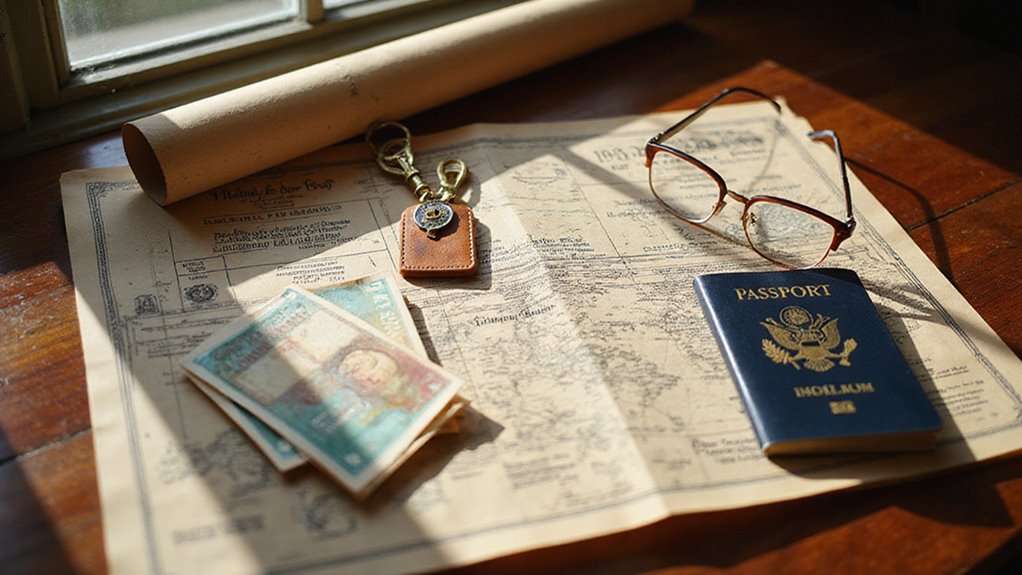
When selling inherited foreign property, you’ll face legal challenges like maneuvering through foreign inheritance laws and understanding US reporting requirements. You must ensure compliance with international tax treaties to avoid double taxation and legal disputes. Being aware of these legal complexities helps you manage risks and streamline the sale process.
Foreign inheritance laws determine how property transfers across international borders after death. Each country maintains unique probate processes, inheritance tax rates, and property transfer requirements. Local regulations take precedence over foreign laws in most cases.
Key legal concerns include double taxation risks through bilateral agreements and potential jurisdiction conflicts between countries. Professional guidance helps navigate these complex issues. Local legal experts understand regional requirements and can protect inheritance rights.
To minimize complications, proper documentation and early consultation with international lawyers prove essential. Current tax treaties between nations may offer relief from duplicate taxation charges. Professional assistance ensures compliance with all relevant regulations.
US taxpayers must report foreign inheritances of over $100,000 on IRS Form 3520. The filing deadline is the same as your annual tax return due date, including extensions. Failure to report can result in penalties of up to 35% of the inherited amount.
Complete documentation requires proof of inheritance value and original source. The IRS needs accurate currency conversion rates from the date of transfer. Foreign bank statements, wills, and estate documents must be translated into English.
These requirements help prevent tax evasion and ensure proper asset tracking. Moreover, proper reporting protects heirs from future legal complications.
Tax treaties provide legal frameworks for managing inheritance taxes across international borders. These agreements prevent double taxation when selling inherited foreign property. Each country’s bilateral tax treaties have unique rules and requirements.
Property owners must understand local inheritance laws and reporting obligations in both countries. A detailed review of applicable treaties helps minimize tax burdens. Consultation with international tax experts ensures proper compliance.
Moreover, proper documentation supports smooth cross-border property transactions. Tax benefits vary based on specific treaty provisions between countries. Clear communication with tax authorities protects against unexpected liabilities.
To accurately determine your foreign property’s value, you need a professional appraisal that considers current market conditions and comparable sales. Be aware of currency exchange rates, as they affect the property’s U.S. dollar value. Conducting a thorough market analysis in the property’s location ensures you set a fair and precise sale price.
Professional property appraisers use standardized methods to determine accurate market values. Licensed appraisers conduct detailed property assessments according to industry standards. The evaluation process examines five key factors: location, building condition, recent comparable sales, market trends, and potential income. Local market expertise helps validate the final valuation.
To ensure reliable results, qualified appraisers follow strict professional guidelines. The Uniform Standards of Professional Appraisal Practice (USPAP) requires documentation of all data sources and methods used. Each appraisal report must provide clear evidence supporting the final value determination.
Key Currency Exchange Points for Foreign Property Foreign property values must be converted to U.S. dollars using current exchange rates. This step ensures accurate reporting for sales and inheritance. Banks and financial institutions provide reliable daily rates for conversions.
Market changes affect property values differently across currencies. A property’s fair market value directly impacts capital gains tax calculations. Documented exchange rates protect all parties during transactions.
Moreover, professional guidance helps navigate complex international valuations. The IRS requires clear documentation of exchange rates used for all foreign property transactions. Proper records prevent future value disputes.
Market Analysis Approaches for Foreign Property Values Professional appraisers assess foreign real estate through local comparable sales data and market conditions. A licensed appraiser must determine the fair market value in U.S. dollars on the date of inheritance. Currency exchange rates from official sources validate the final valuation.
Moreover, property features, location, and economic factors shape accurate market assessments. Local tax laws and international agreements prevent double taxation during property transfers. Comprehensive documentation of the valuation process supports legal compliance.
Furthermore, appraisal reports include recent neighborhood sales and market trend analysis. Capital gains calculations require both the inherited value and eventual sale price in U.S. dollars. Clear records protect estate interests and simplify future transactions.
You need to understand your estate tax obligations, which may vary based on your relationship to the decedent and the property’s value. When selling the foreign property, capital gains tax applies to any increase over the inherited basis, with federal rules guiding the calculation. Additionally, consider foreign tax credits to avoid double taxation on any foreign taxes paid during inheritance or sale.
Estate tax obligations require specific actions when dealing with inherited foreign property. Estate inheritance taxes apply to Nebraska and U.S. assets with values over state and federal thresholds. The IRS mandates Form 3520 reporting for foreign inheritances exceeding $100,000. Capital gains tax calculations start from the property’s value at inheritance.
A stepped-up basis provides tax advantages by resetting the property’s value to its worth at inheritance time. This approach helps reduce the eventual tax burden. Smart tax planning creates better financial outcomes for all beneficiaries involved.
You must pay capital gains tax when selling inherited foreign property at a profit. The tax applies to any increase in value from the inheritance date. The property’s stepped-up basis equals its fair market value when inherited.
An official appraisal helps establish the correct basis amount in U.S. dollars. Furthermore, your federal tax return must include all gains from foreign property sales. Each foreign country has unique tax rules.
In addition, Nebraska residents follow federal guidelines without extra state-level capital gains taxes. This simplifies the tax reporting process for state residents. Proper documentation protects you from future tax issues.
Foreign tax credits reduce or eliminate double taxation on income from foreign sources. U.S. taxpayers can claim credits for taxes paid to foreign governments on their international income. These credits directly lower U.S. tax liability dollar-for-dollar.
To claim these credits effectively, taxpayers must keep detailed records. The IRS requires proof of foreign tax payments through official receipts and tax returns from other countries. Additionally, credits cannot exceed the U.S. tax owed on foreign-source income.
Moreover, specific income types have different credit limits and eligibility rules. A tax professional can help navigate these complex requirements.
To sell inherited foreign property, you need to find a qualified real estate agent experienced in local markets. Prepare legal documents and develop marketing strategies tailored to the country’s regulations. Finally, understand the closing process and the steps required to repatriate funds effectively.
Contact international real estate associations and local property groups for agent recommendations. Professional networks often maintain lists of qualified foreign real estate agents with proven experience.
The ideal foreign agent must hold valid licenses and certifications for their region. They should demonstrate at least 5 years of experience with international property sales. Look for professionals who speak your language fluently and understand both countries’ property laws.
Beyond these basics, your agent should provide references from past clients who sold similar properties. A trustworthy professional will openly share their success stories and explain their marketing approach.
Essential legal documents must accompany any foreign property transfer after inheritance. A valid death certificate, probate court papers, and inheritance tax clearances prove rightful ownership. The property deed needs proper formatting to meet local real estate laws and regulations.
Local attorneys can review documents to prevent legal problems during the sale. Their expertise helps navigate complex international property laws. A complete document package protects all parties involved.
Each jurisdiction requires specific forms, notarizations, and government stamps for property transfers. These requirements vary by country and region. After all paperwork is ready, the sale can move forward smoothly.
Property marketing strategies work best when customized for each unique property type and target market. Professional photography captures essential features and creates a strong first impression for potential buyers. High-quality images showcase your property’s best attributes and help buyers envision themselves in the space.
Online real estate platforms reach up to 95% of today’s property buyers. Multiple listing services and social media expand visibility to both local and international audiences. Furthermore, virtual tours allow remote buyers to explore properties thoroughly.
Clear documentation and transparent pricing build trust with prospective buyers. As a result, properties with complete information typically sell 30% faster.
The closing process varies significantly across different countries, with each nation having unique requirements and protocols.
Local laws mandate specific documentation, legal procedures, and tax obligations that must be fulfilled before property transfers can occur. A notary or legal representative must authenticate and validate all paperwork. Most countries require official translations of documents, government approvals, and specific payment methods.
Property buyers and sellers must understand cultural differences and regional business practices. Professional assistance from local real estate agents and attorneys ensures compliance with regulations. All parties should allocate extra time for international transactions.
The process requires four key steps for legal fund transfers from foreign property sales. First, verify inheritance laws and banking requirements in both countries. The bank needs proof of property ownership and sale documentation. A licensed money transfer service can handle the currency exchange safely.
Tax compliance demands IRS Form 3520 filing for foreign inheritance reporting. The transfer amount must match declared property sale values. Your bank will help track the paper trail for authorities.
Proper documentation prevents transfer delays and legal complications. Quick action helps secure your funds efficiently.
If selling your inherited foreign property proves challenging, consider alternative options like managing or renting it out for income. You might also investigate partial ownership arrangements, donation, or working with foreign cash buyers. These strategies can help you maximize value or reduce ongoing costs when a quick sale isn’t possible.
Property managers and landlords handle rented properties for income generation. Local property laws require specific permits and documentation for legal rental operations. A long-term tenant provides steady monthly income to offset maintenance expenses. Professional management services take care of daily operations and tenant communications.
Furthermore, these experts navigate complex regulations across different jurisdictions. Property managers must follow tax requirements and housing codes in each location. The right management approach transforms an inherited property into a profitable investment. This solution works well when immediate sale is not possible.
Partial ownership divides property rights among multiple parties to solve inheritance challenges. A strategic approach allows owners to maintain control while sharing costs and responsibilities. Several options exist: leases provide steady income, joint ventures split duties, and fractional ownership divides expenses.
Proper arrangements create financial benefits without a complete property sale. Smart partial ownership structures help navigate foreign property laws effectively. These solutions preserve family assets while generating returns.
The main choices include annual leasing (steady income), joint ownership (shared costs), fractional ownership (flexible use), and timeshare plans (scheduled access). Moreover, each option serves specific needs based on location and market conditions.
You can donate inherited foreign property to simplify ownership transfers and support charitable causes. Property donations require careful planning to meet legal requirements. A qualified organization must accept your gift according to local regulations.
Charitable organizations must be registered in both your country and the property’s location. Tax laws limit capital gains deductions to 30% of your adjusted gross income. Professional appraisers must determine the fair market value before donation.
Moreover, the donation process needs proper documentation and compliance with inheritance laws. This solution works well when selling becomes too complex. Consider legal counsel to guide you through international property donation requirements.
Foreign cash buyers can help sell international properties quickly and efficiently. Cash transactions typically close faster than traditional financing. A foreign cash purchase usually takes 2-3 weeks versus 30-45 days with traditional buyers.
Real estate agents who specialize in international sales maintain networks of qualified foreign buyers. These specialists often work with clients from China, Canada, and Europe, where many cash buyers originate.
Professional representation protects sellers from common cross-border issues. Third-party escrow services secure funds during international transactions. Language translators and local attorneys ensure clear communication and legal compliance.
Therefore, success with foreign cash buyers requires proper professional support and careful transaction management.
At HOW Homebuyers, we understand the complexities of selling inherited foreign properties across Iowa and Nebraska. We help property owners navigate through various legal requirements and tax implications. Our team of experts provides comprehensive guidance throughout the selling process.
When inheriting foreign property, proper documentation and valuation methods become crucial factors for a successful sale. We assist clients in gathering necessary paperwork and conducting accurate property assessments. Our experience in cities across Iowa and Nebraska enables us to handle international transactions efficiently.
If you’re dealing with inherited foreign property in our service areas, we can simplify the process for you. We buy houses throughout Iowa and Nebraska, offering fair market values regardless of the property’s origin. Our team at HOW Homebuyers ensures compliance with both local and international regulations while maximizing your returns.