#1 Homebuyer. Local. Trusted. Family Owned.
We have been buying houses in Nebraska since 1996.


#1 Homebuyer. Local. Trusted. Family Owned.
We have been buying houses in Nebraska since 1996.

#1 Homebuyer. Local. Trusted. Family Owned.
We have been buying houses in Nebraska since 1996.

Grief-stricken families face overwhelming challenges when dealing with their parents’ properties after their passing. Navigating legal procedures, managing paperwork, and making crucial decisions can feel insurmountable during emotional times.
Selling an inherited home requires careful planning and knowledge to avoid costly mistakes. This comprehensive guide simplifies the process for bereaved families. Start by obtaining the death certificate and will to establish legal ownership through probate. The entire process typically takes 4-12 months, during which you must clear outstanding debts and prepare the property for sale.
In this guide, we explore every aspect of selling your parents’ home after death, from legal requirements to timeline management.

A house becomes part of the deceased parents’ estate and must go through legal inheritance processes. The property will transfer according to the will or state intestacy laws if no will exists. Legal heirs need proper documentation to claim ownership rights. The court requires Letters Testamentary or Letters of Administration to proceed.
Moreover, several important tasks must happen before any transfers occur. The estate must clear existing debts and liens on the property. All heirs must agree to property decisions per state probate laws. Property taxes and mortgage payments need attention during this process.
Before selling your parent’s home, you need to understand the probate process and how to establish your legal authority through paperwork like Letters Testamentary or Administration. You’ll also want to verify that the title is clear of liens and consider transfer options like TOD deeds to avoid unnecessary delays. Don’t forget to review the tax implications for heirs, including potential capital gains or inheritance taxes, to ensure you’re fully equipped.
A legal probate process must occur before selling a deceased parent’s home in Nebraska. The court needs to verify your authority as an heir or executor first. The mandatory five-step process includes filing a petition, attending court, taking inventory, clearing debts, and getting sale approval.
Required documents make the process smoother and establish clear ownership. Key paperwork includes the death certificate, will, Letters Testamentary, and tax clearance documents. Moreover, a proper title search and property appraisal protect all parties involved. As a result, buyers receive a clean title, and sellers maintain legal compliance throughout the transaction.
Legal authority to sell a deceased parent’s home comes through proper court documentation. A person must obtain Letters Testamentary or Letters of Administration from the probate court. The court reviews and validates any existing will before granting authority.
The next crucial steps involve clearing the property title. The executor must settle outstanding liens, mortgages, and tax obligations. All debts against the estate need resolution before a sale can proceed.
As a result, the probate process must be complete to transfer clear ownership rights. This protection ensures a smooth transaction for both seller and buyer.
Title transfers require specific legal steps to move property ownership after death. A complete title search must verify clear legal ownership and reveal any existing liens or claims. All outstanding debts, unpaid taxes, and property claims need resolution. The title must be free from encumbrances before transfer.
Meanwhile, check for a Transfer on Death deed, which bypasses probate court. Title insurance provides protection against future ownership disputes.
Moreover, property titles with mortgages need lender approval for transfers. The executor must obtain court authorization for the transfer. Legal documentation proves authority to complete the transaction.
Heirs must pay taxes on profits from selling inherited homes. The federal estate tax exemption allows up to $12.92 million in 2023 without taxation. A stepped-up basis adjusts the property value to its fair market price at death.
Nebraska has no inheritance tax for immediate family members. The property must have a clear title before any sale. Capital gains taxes apply only to increases in value after the date of death.
Most heirs can avoid heavy taxation through proper planning. Therefore, professional tax guidance helps maximize inheritance benefits. Working with qualified advisors ensures compliance with state and federal requirements.
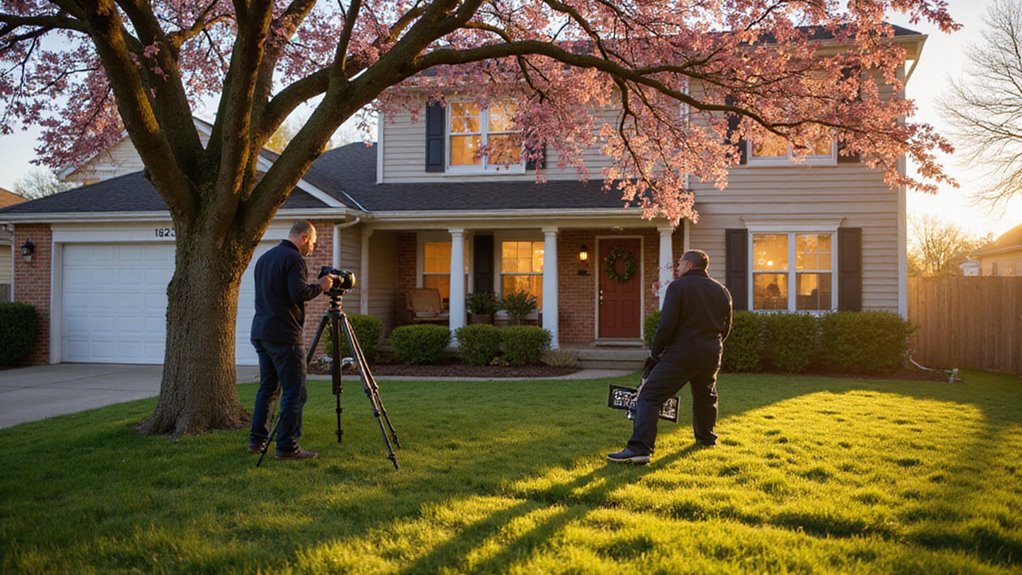
To get the home ready for sale, start by clearing out personal belongings and making necessary repairs to boost appeal. Consider professional cleaning services to ensure the house looks its best and make a good impression on buyers. Finally, think about staging tips to highlight the home’s best features and attract interest.
Personal belongings must be removed systematically from a deceased parent’s home before listing it for sale. The process involves sorting items into three main categories. Essential items go to family members, donatable goods to charities, and unwanted items to disposal.
A methodical approach helps manage emotions during this sensitive task. Family members can work together to handle cherished possessions. Professional organizers offer support for overwhelming situations.
Valuable items like jewelry, documents, and heirlooms need immediate safekeeping in a secure location. The empty space then becomes ready for potential buyers. Quick removal of personal effects helps create a neutral environment.
Essential repairs and improvements must focus on safety and functionality first. A thorough inspection will reveal critical issues like electrical problems, plumbing leaks, or structural damage. Quick fixes to these problems protect your investment and prevent buyer concerns.
Basic cosmetic updates can significantly boost appeal without major costs. Fresh paint, new light fixtures, and clean carpets make spaces feel updated and well-maintained. Professional cleaning services remove deep dirt and odors.
Moreover, curb appeal improvements create strong first impressions. Most buyers decide within 30 seconds of seeing a home’s exterior. Neat landscaping, clean windows, and a fresh front door welcome potential buyers effectively.
Home staging attracts buyers and speeds up sales through strategic presentation of your property. A properly staged home can sell up to 30% faster and for 1-5% more money. Remove personal items and family photos to help buyers imagine themselves in the space.
Create a welcoming atmosphere with neutral paint colors and simple, uncluttered furniture arrangements. Natural light makes rooms feel larger and more inviting, so open curtains and clean windows thoroughly.
Moreover, smart furniture placement highlights traffic flow and room functionality. Each room should serve a clear purpose, with 2-3 feet of walking space between items.
Professional cleaning services transform spaces into pristine environments through expert deep cleaning. A standard cleaning package includes dusting, vacuuming, sanitizing, and deodorizing all rooms. These services save valuable time while delivering superior results.
Expert cleaners bring commercial-grade equipment and effective cleaning solutions to tackle stubborn dirt. Most services charge between $25-50 per hour or $200-400 for a full house cleaning. Their systematic approach ensures no area gets overlooked.
Furthermore, professional cleaners maintain safety standards and follow proper sanitization protocols. The result is a thoroughly clean, healthy space ready for immediate use.
When it’s time to sell an inherited home, you have several options to consider. You can list it with a real estate agent, sell to a cash buyer, try a for-sale-by-owner approach, or auction the property. Each route has its own advantages and challenges, so it’s important to choose the best fit for your situation.
A real estate agent provides professional expertise to sell inherited properties effectively. These professionals handle all aspects of marketing and sales. Their experience helps maximize the property’s value in the local market.
Licensed agents must follow state regulations for estate sales and disclosures. A typical agent charges 5-6% commission on the final sale price. Your agent will coordinate showings, evaluate offers, and manage negotiations with potential buyers.
Through proper marketing channels, agents connect sellers with qualified buyers. Professional representation reduces stress during emotional transitions. Most importantly, agents ensure legal compliance throughout the transaction process.
Cash home buyers purchase properties directly with cash offers, eliminating traditional selling hassles. They specialize in quick closings and buy houses in any condition without repairs. These investors typically complete transactions within 7-14 days and handle all paperwork.
For inherited homes, cash buyers offer a simple solution to complex situations. The process skips real estate agents, open houses, and lengthy negotiations. Property owners receive their money faster since no bank financing is involved.
Most cash buyers cover standard closing costs and require minimal documentation. This direct approach brings peace of mind during emotionally challenging times. As a result, families can move forward quickly while avoiding property maintenance responsibilities.
For-sale-by-owner lets you sell an inherited property without a real estate agent. This direct approach saves thousands in commission fees. The process puts you in full control of the sale.
A clear title and proper estate documents must be filed before listing in Nebraska. Market your property through the MLS, social media, and local advertising. Personal showings and negotiations with buyers become your responsibility.
Cash buyers and investors often prefer FSBO properties. This strategy works well when you need a quick sale. The typical FSBO commission savings range from 3% to 6% of the sale price.
An auction sale involves selling property through competitive bidding to the highest bidder. Professional auctioneers conduct these events, where buyers gather to place bids on items or properties. The sale date is fixed, and all transactions happen on that specific day.
During the process, potential buyers inspect the property before the auction. A reserve price protects sellers from unreasonably low bids. The winning bidder must pay a deposit immediately and complete the purchase within a set timeframe.
Moreover, auctions create transparency and establish fair market value. The competitive environment often leads to better prices than private sales. All terms and conditions are clear upfront.

When selling your parent’s home, you need to consider possible tax implications like capital gains tax and inheritance tax. Understanding how the stepped-up basis can affect your tax bill is crucial, especially if the property appreciated significantly. Plus, check if any exemptions apply to reduce your tax liability, so you’re not caught off guard.
Capital gains taxes apply when you sell inherited property for more than its value at death. The IRS gives inherited homes a “stepped-up” basis equal to their fair market value on the date of death. You only pay capital gains tax on profits above this new basis value.
A proper tax strategy starts with accurate documentation of the home’s death-date value. The IRS allows certain exemptions and exclusions that can reduce your tax burden. Professional guidance ensures you identify all available tax benefits.
Moreover, special tax rules apply if you sell within one year of inheritance. This timing affects how the IRS calculates your capital gains obligations.
Key inheritance tax concerns affect Nebraska property transfers after death. Nebraska law requires heirs to pay taxes based on their relationship to the deceased person. Spouses pay zero inheritance tax, while immediate family members pay 1% on amounts over $40,000. Other relatives face a 13% tax rate on inheritances above $15,000.
A qualified attorney can review your situation and identify potential tax exemptions. Smart planning helps reduce tax burdens and protects assets for future generations. The right legal guidance ensures proper tax reporting and timely payments to avoid penalties.
Stepped-up basis adjusts an inherited asset’s tax basis to its market value at the owner’s death. The tax code allows heirs to minimize capital gains tax when selling inherited property. A property bought for $100,000 that’s worth $500,000 at death receives a new basis of $500,000.
This tax benefit helps families preserve wealth across generations. Heirs must obtain professional appraisals to establish the stepped-up value. Documentation becomes essential for future tax purposes.
Furthermore, the stepped-up basis applies to most inherited assets, including real estate, stocks, and business interests. Smart estate planning uses this rule to reduce tax burdens on beneficiaries.
Tax exemptions reduce costs when selling inherited property in Nebraska. The step-up in basis exemption adjusts the property’s value to its fair market value at death. This reset helps lower capital gains taxes significantly. Spouses and direct descendants can access special inheritance tax rates or complete exemptions.
A tax professional should review your specific situation for maximum benefits. Nebraska tax laws change periodically, so expert guidance ensures proper compliance. Smart tax planning preserves more inheritance value for your family.
The sale of a deceased parent’s home takes 4-12 months on average. The timeline depends on estate complexity, market conditions, and required legal processes.
Legal requirements come first through the probate process. A clean title transfer and lien clearance must happen before any sale. Most executors need 2-3 months to prepare necessary documentation.
Market-ready homes sell faster than those needing repairs. Professional staging and strategic pricing speed up the process. Moreover, working with real estate agents experienced in estate sales reduces delays. Local laws may require specific waiting periods between death and property sale.

Common emotional challenges include grief, guilt, confusion, and family conflicts during this process. Raw emotions can surface when sorting through personal belongings and memories in the home. Strong attachments to the property might delay important decisions about repairs or pricing. Family members often disagree about the home’s value or sale timeline.
Moreover, stress levels increase when balancing practical tasks with emotional needs. A support system helps manage these complex feelings effectively. Professional counselors or grief support groups offer valuable coping strategies.
Selling a parent’s home after their passing requires careful attention to legal requirements and proper documentation. The process can take several months, depending on probate procedures and market conditions. Following this guide will help executors navigate through each necessary step efficiently.
At HOW Homebuyers, we understand the emotional and practical challenges of selling an inherited property. We specialize in purchasing homes throughout Iowa and Nebraska, including Des Moines, Omaha, and Lincoln. Our team provides straightforward solutions for families who need to sell their inherited properties quickly.
We offer personalized support to help families through this difficult transition period. Our experienced professionals can handle all aspects of the home-selling process in Iowa and Nebraska. If you need assistance with selling your parent’s home, we’re ready to provide a fair, no-obligation cash offer.