#1 Homebuyer. Local. Trusted. Family Owned.
We have been buying houses in Nebraska since 1996.






#1 Homebuyer. Local. Trusted. Family Owned.
We have been buying houses in Nebraska since 1996.

#1 Homebuyer. Local. Trusted. Family Owned.
We have been buying houses in Nebraska since 1996.
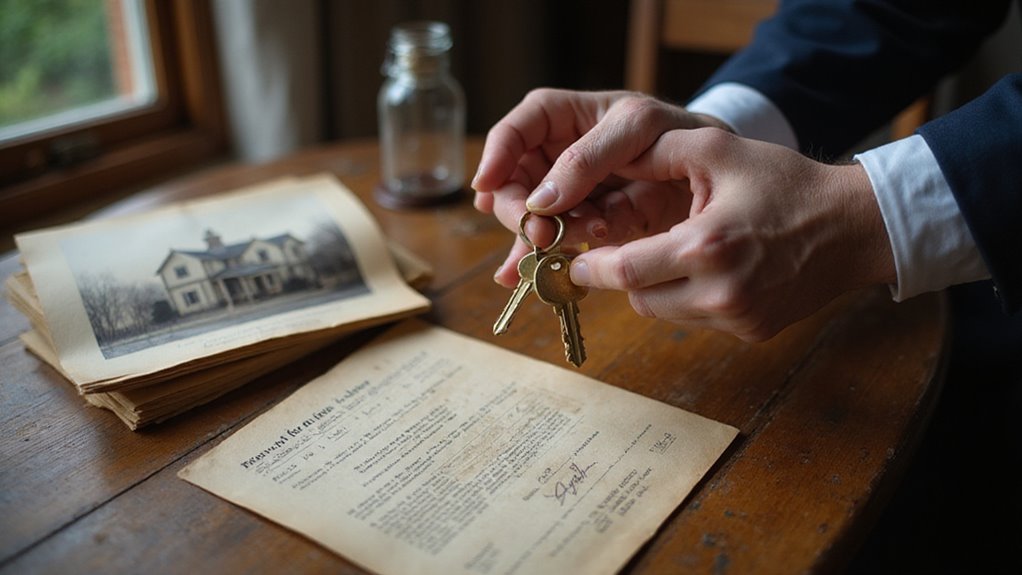
Inheriting property sounds like a windfall until multiple owners and complex legalities enter the picture. Family members often struggle with selling inherited property shares due to ownership disputes and documentation challenges. Dealing with co-owners, tax obligations, and legal requirements can create overwhelming stress. Professional guidance and proper planning offer a clear path through these inheritance complexities.
Selling your inherited property share requires confirming ownership percentages, getting property appraisals, and notifying other owners. You’ll need to prepare legal documents, understand tax implications, and either negotiate with co-owners or pursue legal options for the sale.
In this guide, we’ll explore everything about selling inherited property shares, from legal steps to tax considerations.
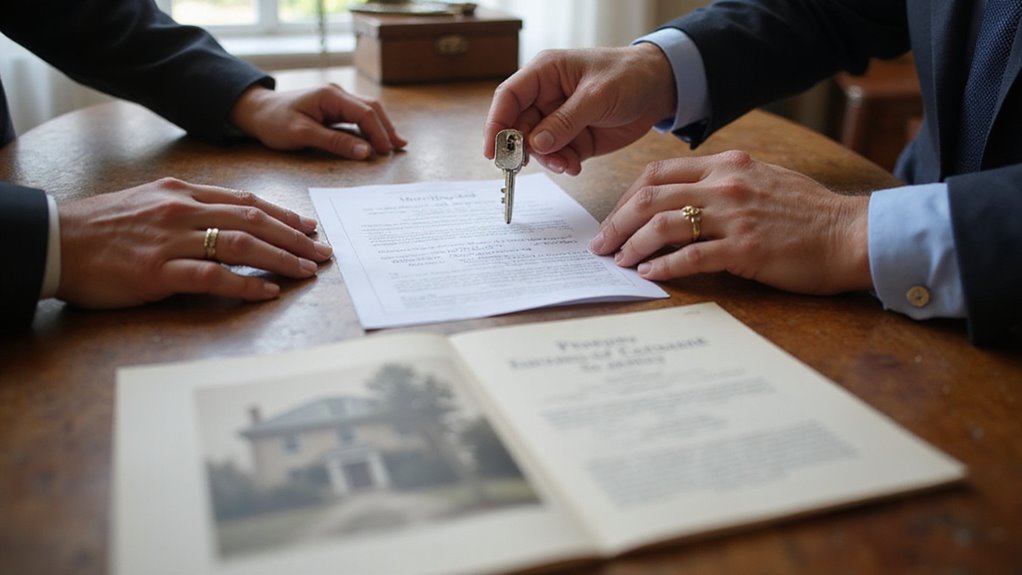
A share of inherited property represents your legal ownership portion in assets received from a deceased person’s estate. Each heir receives a specific percentage or fraction of the total inherited property value based on the will or state laws. Your share grants you certain rights and responsibilities as a co-owner. These rights include the ability to use, sell, or transfer your portion.
Moreover, the value of your share depends on the total property worth and your ownership percentage. Co-owners must follow state regulations when making decisions about the property or selling their shares.
Inheritance directly changes who owns and controls property after someone passes away. Legal ownership transfers to heirs according to the deceased person’s will or state inheritance laws. New owners must decide whether to keep, sell, or divide the inherited property. Each heir receives specific rights and responsibilities for their portion of assets.
Property ownership can take different forms through inheritance. Joint tenancy allows automatic transfer to surviving owners, while tenancy in common lets heirs control their individual shares. The type of ownership determines what actions owners can take with the property. As a result, heirs should understand their rights before making ownership decisions.

Co-owners possess equal rights to use, maintain, and control jointly owned property. Each co-owner can sell their share, take legal action, or request property division through the courts. The law requires all co-owners to agree on major property decisions like sales or significant changes.
Co-owners must share costs and responsibilities for property upkeep and taxes. A co-owner can force a sale through partition action if others refuse to cooperate. Fair market value determines buyout prices between co-owners.
Additionally, co-owners can seek mediation or legal help to resolve disputes. Each party maintains the right to access property records and financial documents. Most importantly, all decisions must protect the interests of every owner involved.
To sell your inherited property share, start by confirming your ownership percentage through your will or deed. Next, get an accurate property valuation and notify all co-owners of your plan. Finally, prepare the necessary legal documents and coordinate with professionals to close the sale efficiently.
Ownership percentage represents your legal share of an inherited property. Your exact stake comes from official documents like wills, deeds, or court orders. A clear understanding of your ownership rights helps protect your interests.
A property title search confirms your percentage ownership through county records. Your share affects decisions about the property’s use, sale, or transfer. Most inherited properties split ownership equally among heirs unless specified otherwise in legal documents.
The fair market value of your share equals your ownership percentage multiplied by the total property value. This calculation matters for taxes and potential sales. Legal experts recommend documenting all ownership details carefully.
A professional property valuation determines your inherited property’s true market worth. Licensed appraisers examine the physical condition, location factors, and recent comparable sales. Your property value assessment must follow local regulations and tax requirements.
Real estate agents offer quick, informal estimates based on market knowledge and experience. These estimates work well for initial planning but lack formal documentation. A certified appraisal costs between $300 to $800, depending on property size and location.
Most importantly, accurate valuations prevent future disputes among heirs and support fair negotiations. Choose a valuation method that matches your timeline and documentation needs.
Schedule a direct meeting with all co-owners to discuss your plans for selling. A formal written notice must be sent to document your intent and protect your legal interests. Your co-owners have the first right to purchase your share of the property.
Consider asking co-owners about their goals and concerns for the property. Legal options include negotiating a buyout agreement or requesting a court-ordered partition sale. Professional mediation can help resolve disputes if initial talks break down. Most importantly, maintain clear records of all communications and agreements during this process.
Legal documents required for inherited property sales include probate orders, title deeds, and buyout agreements. A valid probate court order proves your legal right to sell the inherited property. The property executor must provide this essential documentation. Title deeds confirm official property ownership and allow proper transfer to new buyers.
For shared inheritances, a formal buyout agreement outlines terms between co-owners. These documents protect all parties and enable smooth transactions. Local laws may require additional paperwork based on property location and type.
Moreover, complete documentation speeds up the selling process and reduces legal complications.
| Document Type | Purpose | Responsible Party |
| Probate Court Order | Confirm inheritance details | Inherited property executor |
| Title Deed | Establish ownership transfer | Co-owners or buyers |
| Buyout Agreement | Formalize property co-owner buyout | Co-owners |
A successful sale closing requires clear steps and proper documentation. Each seller must provide valid identification, signed contracts, and completed transfer documents. The buyer needs proof of funds or mortgage approval before closing. Your real estate agent or attorney can guide you through final negotiations and paperwork.
During closing, you will review and sign all documents, including the deed and settlement statement. Transfer fees and closing costs must be paid according to local regulations. Keys change hands after funds are verified and documents are recorded.
Tax implications for inherited property in Nebraska remain minimal at the state level. The state does not collect estate tax or inheritance tax on property sales. Federal capital gains taxes apply only to appreciation that occurs after you inherit the property. The IRS uses a “stepped-up basis” to calculate taxes, which means the property value resets to market value on the date of inheritance.
A proper tax strategy helps minimize obligations. Property sellers must report any post-inheritance gains on their federal tax return. Tax professionals can assist with complex inheritance situations. Consider consulting an accountant before selling inherited assets.

When co-owners disagree on selling inherited property, you have several options. You can buy out other heirs, sell your share to a third party, or pursue a court-ordered partition sale if you can’t reach an agreement. Mediation or legal action may also help resolve disputes efficiently.
A buyout lets you purchase other heirs’ shares of inherited property when they want to sell. Each heir must agree to the sale price based on current market value and their ownership percentage. The process starts with a professional appraisal to determine fair property worth.
Legal paperwork and proper documentation protect everyone’s interests during the transfer. You must record the new deed and pay any required transfer taxes or fees. As a result, you gain full control of the property while other heirs receive their fair share in cash.
Smooth communication and clear agreements help prevent future disputes over inheritance matters. A real estate attorney can guide the process and ensure compliance with local laws.
A third-party sale offers a viable exit when co-owners cannot reach an agreement. You can sell your ownership share through real estate agents or independently as FSBO. The law requires formal written notice to all other property owners before any transfer occurs.
This solution allows you to move forward without waiting for co-owner consensus. A standard real estate contract and proper deed transfer must be completed at closing. The buyer assumes your exact ownership position and rights in the property.
A partition by sale legally divides property value among co-owners through a forced court sale. The court steps in when owners cannot reach an agreement about the property.
Co-owners must first attempt an amicable resolution through buyouts or voluntary sales. A judge will evaluate the circumstances if negotiations fail. The court then orders a public auction of the entire property and splits proceeds among owners based on their ownership shares.
Moreover, this process protects everyone’s financial interests. Professional appraisers determine fair market value before any sale proceeds.
Co-owners can resolve property conflicts through mediation or court action. A neutral mediator helps parties find mutually agreeable solutions. Mediation costs average $3,000 and typically takes 2-3 sessions to reach an agreement.
Professional mediators guide discussions about fair property division or sale terms. State laws require co-owners to attempt mediation before filing court actions in most jurisdictions. This approach preserves relationships and saves money.
Beyond that point, a court partition action forces property sale or division when owners cannot agree. The court examines ownership rights and determines a fair resolution. Legal fees for partition actions range from $10,000 to $40,000.
Yes, you can sell an inherited property share quickly through several direct methods. A real estate attorney can help you navigate inheritance laws and fast-track the selling process. Market your share through multiple listing services to reach more potential buyers. Court-ordered partition sales offer a legal solution when co-owners cannot agree.
Smart options include buying out other owners to gain full control of the property. Direct negotiations with co-owners often lead to faster resolutions. As a result, you can avoid lengthy legal battles and market delays.
After considering these steps, a professional title search ensures clean ownership transfer and prevents future complications.
At HOW Homebuyers, we understand the complexities of selling inherited property shares in Nebraska and Iowa. We specialize in helping property owners navigate through inheritance sales across major cities. Our team brings years of experience in handling these sensitive transactions with professionalism and care.
We can simplify the entire selling process, from legal documentation to final closing, in cities like Omaha and Des Moines. Our direct buying approach eliminates the need for multiple intermediaries or lengthy waiting periods. We handle all necessary paperwork and coordinate with relevant parties to ensure a smooth transaction.
If you’re ready to sell your inherited property share, we’re here to provide a straightforward solution. We offer fair cash offers based on current market conditions in Nebraska and Iowa. Our team at HOW Homebuyers can close quickly, allowing you to move forward without the typical stress of property sales.