#1 Homebuyer. Local. Trusted. Family Owned.
We have been buying houses in Nebraska since 1996.


#1 Homebuyer. Local. Trusted. Family Owned.
We have been buying houses in Nebraska since 1996.

#1 Homebuyer. Local. Trusted. Family Owned.
We have been buying houses in Nebraska since 1996.

Gone are the days when inheriting property meant navigating complex tax implications without guidance. Many heirs lose thousands in unnecessary capital gains taxes due to confusion about property valuation after inheritance. The stress of managing inherited real estate taxes leaves families overwhelmed and uncertain. Yet understanding the step-up basis concept can dramatically reduce your tax burden.
The step-up basis automatically adjusts an inherited property’s tax basis to its fair market value at the time of the owner’s death. This adjustment essentially wipes out any capital gains taxes on the property’s appreciation that occurred during the deceased owner’s lifetime, potentially saving heirs significant money when they sell.
In this guide, we’ll explore everything you need to know about step-up basis and inherited property tax benefits.

Step-up basis adjusts inherited property’s value to its fair market value at the time of the original owner’s death. The tax basis becomes equal to the property’s current market value when someone inherits it. This adjustment helps reduce capital gains taxes if the inheritor sells the property. Heirs pay taxes only on gains above the stepped-up value, not the original purchase price.
A professional appraisal determines the property’s fair market value at inheritance. Accurate documentation supports this new tax basis. In turn, beneficiaries can maximize their inheritance while minimizing tax obligations.
To understand how step-up basis works, you need to know the property’s original cost and its value at the owner’s date of death. This fair market value sets the new tax basis for your inheritance. Calculating this step-up basis helps you determine significant capital gains if you sell the property later.
The original cost basis represents the total amount paid to acquire an asset. Your cost basis includes the purchase price plus any money spent on capital improvements to the property. This number helps calculate potential capital gains tax.
When property passes through inheritance in Nebraska, a stepped-up basis applies. The asset’s cost basis adjusts to its fair market value on the date of the previous owner’s death. The table shows how stepped-up basis reduces capital gains taxes across different asset types, from farm properties to investment stocks.
Such tax adjustments protect heirs from large capital gains bills. Most beneficiaries save significant money through this process.
Fair market value at death comes from professional appraisals and market analysis. A licensed appraiser must assess the property’s worth on the exact date of death. The documented value establishes the new stepped-up tax basis.
The IRS requires specific methods to prove FMV, including qualified appraisals for real estate worth over $5,000. Real estate professionals can help gather comparable sales data. Bank statements and investment records provide values for financial assets. Beyond these basics, valuation rules vary by state and asset type. A tax professional or estate attorney should review all valuations.
A step-up basis equals the fair market value of inherited property on the date of death. The tax code allows heirs to receive a new cost basis equal to the property’s market value when inherited. A professional appraiser must assess the property value as of the death date. This documented value establishes the new tax baseline.
Furthermore, accurate records protect heirs from excess capital gains taxes upon future property sales. Property transfers in Nebraska require proper documentation of the stepped-up value to comply with state laws. Tax savings from this adjustment can prove substantial for beneficiaries.
Step-up basis offers significant tax savings by reducing capital gains taxes on inherited assets. The tax basis resets to the fair market value when someone inherits property. This new higher basis means lower taxes if the heir sells the asset. Any appreciation that occurred during the original owner’s lifetime becomes tax-free.
Beyond direct tax benefits, heirs can make smarter financial decisions with inherited assets. The reduced tax burden allows families to preserve more generational wealth. These savings can amount to thousands of dollars, especially with highly appreciated assets like real estate.
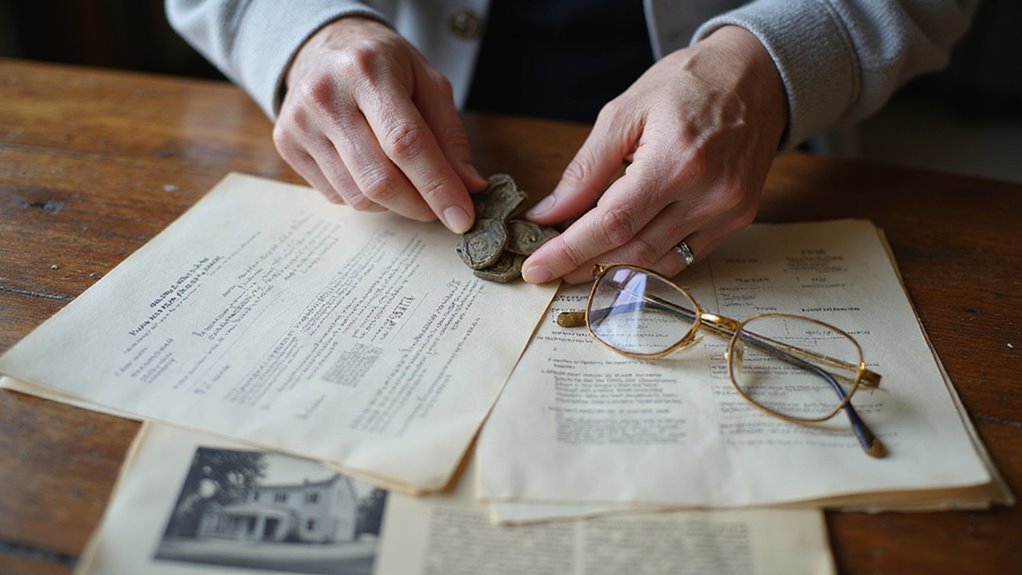
To claim your step-up basis on inherited real estate, you need a professional property appraisal to determine its fair market value at the owner’s date of death. Once you have that, you must document this value and file the correct tax forms with the IRS and county authorities. Working with estate professionals ensures compliance and smooth handling of the necessary paperwork.
A certified property appraiser must determine your inherited real estate’s fair market value. The IRS requires an official valuation dated to the previous owner’s death for tax compliance. Professional appraisers examine the property condition, location, and recent comparable sales.
This process creates a legal record that protects your interests and simplifies future transactions. Most states mandate licensed appraisers to follow specific guidelines when assessing inherited properties. Beyond compliance, accurate valuations help reduce capital gains taxes through proper basis calculations. A thorough appraisal also prevents potential disputes with tax authorities or other beneficiaries.
A professional appraisal or market analysis must document the property’s value on the date of death. The IRS requires clear proof of fair market value to support any step-up basis claim for inherited property. Accurate records prevent tax disputes and validate capital gains exemptions.
Thorough documentation helps protect both executors and beneficiaries during property transfers. All valuation records should include photos, comparable sales data, and expert assessments from the time of death. Save these documents with other estate planning materials.
Furthermore, proper records make future property sales simpler and more tax-efficient. The step-up basis can significantly reduce capital gains taxes when heirs eventually sell inherited assets.
The IRS requires two main forms to claim step-up basis on inherited real estate. Form 706 must be filed within 9 months of the decedent’s death to report estate value. Schedule K-1 documents inheritance income during estate distribution. These filings establish the property’s new tax basis.
A professional appraisal provides essential documentation of the property’s fair market value. State-specific inheritance forms vary by location, with Nebraska requiring county-level filings. For best results, keep detailed records of all valuations and filing dates.
In addition to these forms, an official appraisal report must support the claimed stepped-up value at settlement time. This documentation protects your tax position and ensures compliance.
Professional guidance helps maximize tax benefits and ensures legal compliance when handling inherited property. Estate attorneys navigate complex inheritance laws and help file required documentation with state authorities. Tax accountants determine accurate valuations and advise on available deductions. Property appraisers provide official fair market assessments.
Each expert plays a vital role in protecting estate value. Nebraska law requires specific forms and valuations for inheritance tax purposes. A team of qualified professionals reduces errors and prevents costly mistakes. Their combined expertise streamlines the entire inheritance process.
Step-up basis does not apply to gifts received during a donor’s lifetime. The tax basis for gifted assets equals the original owner’s purchase price plus adjustments. Any property transferred before death misses the step-up benefit. The recipient must use the donor’s original cost basis for tax calculations.
Moreover, certain tax-deferred accounts like traditional IRAs and 401(k)s cannot receive step-up treatment. These retirement accounts pass their tax obligations to beneficiaries. At the same time, income from foreign assets may face different basis rules under international tax laws.

Step-up basis reduces capital gains taxes when you sell inherited property. A step-up basis adjusts the property’s value to its fair market value on the date of the owner’s death. This new value becomes your tax basis for future sales. Your capital gains tax applies only to increases above this stepped-up amount.
For best results, professional appraisals establish accurate property values at inheritance. Local inheritance taxes may still apply based on state laws and your relationship to the deceased. Smart planning with step-up basis can lead to significant tax savings.
The best time to sell inherited property depends on your immediate needs and market conditions. A quick sale works well if you need immediate funds or want to avoid maintenance costs. The stepup basis tax benefit makes early sales advantageous, as you pay fewer capital gains taxes. Property values and local market trends affect your sale timing decision.
In contrast, holding the property lets you wait for better market conditions. You can qualify for lower long-term capital gains rates after one year of ownership. Your financial goals and current market analysis should guide this important choice.

Yes, we help sellers maximize profits from inherited Nebraska properties. The tax law provides a major advantage through the step-up basis provision. Your inherited property’s value resets to its fair market price on the date of inheritance. This reset often reduces or eliminates capital gains taxes.
A professional appraisal documents your property’s stepped-up value accurately. Nebraska’s inheritance tax rates range from 1% to 18% based on your relationship to the deceased.
The timing of your sale affects potential tax benefits. Quick sales usually result in minimal taxable gains. In some cases, selling below the stepped-up basis creates a deductible capital loss.
Understanding step-up basis remains crucial for property owners seeking to maximize their inheritance benefits. At HOW Homebuyers, we regularly assist families throughout Iowa and Nebraska with inherited property decisions. We help our clients navigate complex tax implications while exploring their best financial options.
As real estate professionals serving major cities across Iowa and Nebraska, we witness the impact of proper inheritance planning. We guide property owners through the step-up basis process to ensure maximum tax advantages. Our team stays updated on local market conditions to provide accurate property valuations for inheritance purposes.
When inheriting property becomes challenging, we offer straightforward solutions to families in our service areas. We purchase inherited homes directly, helping beneficiaries avoid complicated tax situations. Our experience in cities across Iowa and Nebraska enables us to handle inheritance transactions efficiently and professionally.