#1 Homebuyer. Local. Trusted. Family Owned.
We have been buying houses in Nebraska since 1996.






#1 Homebuyer. Local. Trusted. Family Owned.
We have been buying houses in Nebraska since 1996.

#1 Homebuyer. Local. Trusted. Family Owned.
We have been buying houses in Nebraska since 1996.
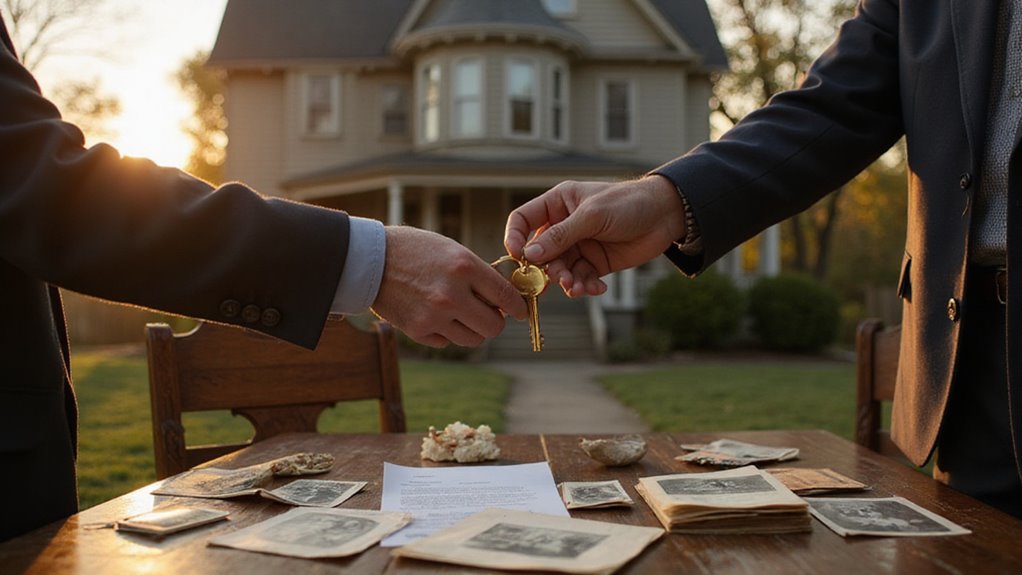
Inheriting a home brings not just memories, but a maze of legal and financial decisions. The sudden responsibility of managing an inherited property can overwhelm anyone during an already emotional time. Without proper guidance, you risk tax penalties, legal complications, and potentially thousands in lost value. Following a strategic approach to selling inherited property can save you both stress and money.
When you sell an inherited house, you must first complete probate and transfer the title into your name. After establishing clear ownership, you’ll need to address potential capital gains taxes based on the stepped-up basis value of the property at the time of inheritance.
In this blog I will explore everything about selling inherited property and navigating the process successfully.

Inheriting a house means becoming the legal owner of a deceased person’s property. The transfer process depends on how the house was titled.
Most inherited houses go through probate court for ownership transfer. Nebraska law exempts spouses and children from inheritance taxes on these properties. You’ll need several documents before selling, including the death certificate and court orders.
The timeline varies based on estate complexity. Probate typically takes several months to complete. During this period, you cannot sell the house until you have legal ownership. Consider your long-term plans for the property while waiting.
You have several options with an inherited property: keep it as your primary residence, convert it into a rental, or sell it outright. Each choice impacts your taxes, costs, and future plans, so weigh the benefits and drawbacks carefully. Consider your financial situation and family dynamics before making a decision.
You can live in a property you inherit after completing probate and securing clear title. Your inheritance rights depend on the executor settling all debts and taxes first.
Living in the inherited home offers emotional benefits and preserves family connections. The probate process typically takes several months, and any family disagreements may extend this timeline further.
Following proper legal procedures is essential for establishing your residence. This approach allows you to maintain the property as a meaningful asset while honoring family legacy. Additionally, keeping the home provides stability during the transition period following a loved one’s passing.
Yes, you can turn an inherited property into a rental for steady income. This option requires planning and preparation before listing. First, check if potential rent will cover taxes, insurance, and maintenance costs. The local rental market should have enough demand to support your investment.
Make sure the property meets all safety codes before renting. Necessary repairs or updates may be needed to attract quality tenants. Local regulations may require specific licenses or inspections for rental properties.
Consider whether you want to manage tenants yourself or hire a property manager. The steady income stream can be valuable, but landlord responsibilities take time and effort.
You can sell an inherited house to quickly convert it into cash. This option eliminates ongoing costs and simplifies estate matters. The process requires proper documentation including death certificates and probate court approval.
Probate proceedings might delay sales if heirs disagree on terms. Capital gains taxes apply based on the property’s stepped-up value at inheritance. Collaboration with other heirs ensures a smooth transaction process. As a result, everyone involved receives their fair share.
Selling provides closure for all parties and prevents future maintenance headaches. The funds can then be distributed according to the will or estate plan.
To decide if selling is the right choice, you need to assess your financial situation, including any debts or taxes owed on the property. Consider your emotional attachment and whether the property’s condition or location makes it practical to hold or sell. Weigh these factors carefully to determine if converting the inheritance into cash aligns with your goals.
Selling an inherited house affects your taxes and financial future. The property receives a “step-up basis” at inheritance, resetting its taxable value. Capital gains tax only applies to appreciation after inheritance, not before. Probate costs and ongoing maintenance expenses should factor into your decision.
Your inheritance distribution requirements may limit your options. Outstanding debts or liens must be settled through probate before selling. The property might generate more value through appreciation if held longer.
Consider whether selling reduces financial burdens or creates opportunities. Many heirs find immediate sale beneficial for cash flow purposes. However, a strong real estate market might favor holding the property temporarily.
Emotional ties can make selling an inherited home difficult. Many people struggle to part with houses that hold family memories and personal history. Your connection to the property might overshadow financial practicality. This attachment becomes more complicated when multiple heirs share ownership.
Consider whether emotions or practical needs should guide your decision. Family homes often represent identity and roots beyond their monetary value. However, maintaining an impractical property might create financial strain. Laws regarding co-ownership require all parties to agree on major decisions like selling.
Take time to assess your feelings objectively. Consulting with family members or a counselor helps clarify priorities. Professional advice can balance emotional considerations with financial realities. Your long-term goals should ultimately determine whether keeping or selling serves you best.
An inherited property’s condition determines whether you should sell now or invest in repairs. Check for major issues like roof damage, foundation problems, or outdated electrical systems. Look for code violations that must be addressed before selling. Consider if removing personal belongings will make spaces appear larger and more appealing to buyers.
Furthermore, compare repair costs against potential market value increases. Homes needing extensive repairs often sell for 20-30% below market value. Simple fixes like fresh paint can yield a 5-10% return on investment. Your assessment should balance immediate selling needs against possible value appreciation after improvements.
Your property’s location affects whether you should sell after inheriting it. Nebraska has specific probate laws that change by county and ownership type. The stepped-up basis rule resets your property’s tax value to its worth on the date of death. This impacts potential capital gains taxes if you sell.
Local market trends, property tax rates, and community needs matter too. Some locations have complicated probate processes. Others may limit how you can use or maintain the property from a distance.
Consider selling if the location creates legal hurdles or makes property management difficult for you. This decision should balance your immediate needs with long-term family considerations.

When you sell an inherited property, understanding the step-up basis is crucial, as it resets the home’s value to its fair market value at the owner’s death, reducing significant capital gains taxes. You’ll need to consider federal taxes and any state or local taxes that may apply, especially if you’re in Nebraska, which has specific rules for inheritance. Knowing which exemptions or exclusions you qualify for can help you minimize your tax liability and avoid surprises.
Step-up basis resets the tax basis of inherited property to its fair market value at death. This tax provision often reduces capital gains taxes when heirs sell the property later. The new basis becomes what the property was worth when the previous owner died.
To get this tax benefit, you must first establish the property’s fair market value. Keep detailed records of professional appraisals or comparable sales from that time. The step-up basis rule applies only for federal tax purposes, not necessarily for state taxes.
This provision saves heirs money by eliminating tax on appreciation that occurred during the decedent’s lifetime. As a result, beneficiaries can sell inherited assets shortly after receiving them with little to no capital gains tax.
You may owe capital gains tax when selling inherited property if the sale price exceeds the stepped-up basis. The stepped-up basis resets the property’s value to its fair market worth at the time of death. Quick sales after inheritance typically result in minimal tax liability.
Tax law sets your new basis at the property’s fair market value when you inherited it. This basis increases with any improvements you make or mortgage payments you contribute. Proper documentation helps accurately calculate your tax obligations. Keep records of the property’s value at inheritance and any expenses you incur. As a practical step, consider consulting a tax professional before selling inherited real estate.
Several key tax exemptions can reduce your tax burden when selling inherited property. The step-up basis resets the property’s value to its fair market value at death, minimizing capital gains tax. Primary residence exemptions apply if you live in the property for at least two years. Direct descendants often avoid state inheritance taxes in many jurisdictions. These exemptions create significant savings opportunities.
Furthermore, timing your sale strategically after applying the step-up basis can eliminate most capital gains liability. As a result, you keep more proceeds from your inheritance while satisfying tax obligations properly.
Nebraska doesn’t tax property inherited by children or spouses. The state may apply estate tax depending on the value of the estate. You must settle all property taxes before selling. Unpaid taxes can create delays in the sales process.
Local areas might have specific property tax assessments tied to the property. These could include liens that affect ownership transfer. Furthermore, understanding these requirements prevents surprises later.
Knowledge of these tax implications ensures compliance and avoids unexpected costs. This helps you complete the sale smoothly and transfer ownership properly. As a result, both you and the buyer benefit from a straightforward transaction.
To prepare an inherited house for sale, start by clearing out personal belongings and addressing any maintenance issues. Consider making strategic improvements and staging the property to boost its appeal. These steps can help you sell faster and at a better price.
Remove all personal items from the inherited house before selling it. This creates a neutral space that appeals to buyers and speeds up the sale process. Start by sorting items into keepsakes, donations, and trash.
Always consult with other heirs about valuable or sentimental items. Each heir has legal rights to certain possessions based on the will or state inheritance laws. This prevents conflicts later.
A clean, depersonalized house helps potential buyers imagine themselves living there. The property will appear more spacious and well-maintained without clutter. Furthermore, removing personal belongings shows respect for the deceased’s privacy.
Yes, inspect the inherited house for maintenance problems immediately. A thorough assessment reveals safety issues and needed repairs. Professional inspectors can identify hidden problems you might miss.
Fix critical issues like electrical hazards, plumbing leaks, and structural damage first. Safety-related repairs should always take priority according to building codes. Document all completed work with receipts and photographs.
Transparency about property condition builds trust with potential buyers. Unaddressed problems often lead to failed sales or significantly lower offers. Furthermore, some repairs might be legally required before closing.
Taking care of maintenance issues now saves time during negotiations later. In addition, well-maintained properties typically sell faster and command better prices.
Focus on high-impact upgrades after basic maintenance. Paint walls in neutral colors to appeal to most buyers. Enhance curb appeal with simple landscaping and flower beds. Replace outdated fixtures like faucets, doorknobs, and light fixtures.
These targeted improvements boost perceived value without major investment. Return on investment varies by improvement, with fresh paint typically returning 107% of costs. Most buyers prefer move-in ready properties even when listed as-is.
Prioritize based on your budget and local market preferences. Local real estate agents can advise on which improvements matter most in your area. Remember, strategic updates can reduce time on market and potentially increase final sale price.
Effective staging makes an inherited house more appealing to potential buyers. Remove clutter, fix minor issues, and deep clean all spaces to create a welcoming environment. Each room should showcase its purpose while allowing buyers to envision their own lives there.
Keep personal items to a minimum. A neutral, depersonalized space helps highlight the property’s intrinsic value rather than your personal taste. Properly staged homes typically sell faster and for higher prices than unstaged properties.
Strategic staging serves buyers’ needs by making the property move-in ready. Focus on creating inviting spaces with thoughtful furniture placement and appropriate décor. Additionally, good staging can help mask minor flaws while emphasizing the home’s best features.
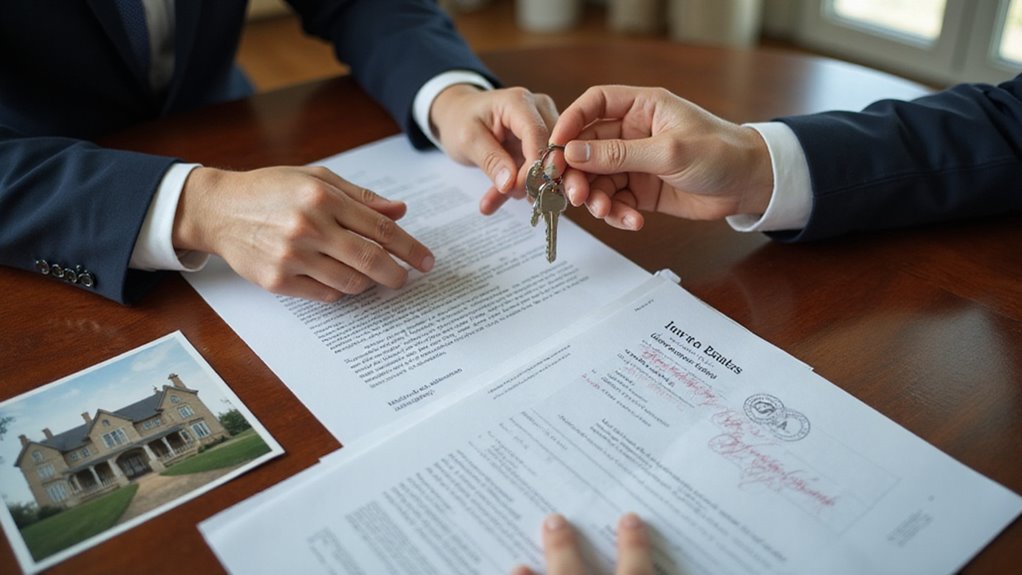
Before selling an inherited house, you need to complete the probate process to establish clear ownership and settle debts. Obtain all necessary documents, like the death certificate, will, and court orders, to prove your legal right to sell. If you’re sharing ownership with co-inheritors, coordinate with them to avoid delays or disputes.
Probate is the legal procedure that validates a will and distributes assets after death. You must complete this process before selling an inherited Nebraska house. The court first confirms the will’s validity and transfers property ownership to rightful heirs. All debts, taxes, and liens require settlement before any property sale.
Essential steps include getting court approval and gathering key documents. You’ll need the death certificate, will, probate court orders, and property deed to proceed legally. This process typically takes several months to complete.
Finishing probate properly ensures legal authorization to sell without future complications. Meanwhile, you can prepare the property and research the local market.
You need to transfer the inherited property into your name before selling it. This requires proper title transfer documentation. Verify that probate has been completed with a court order showing you as the legal owner. Check if the house had joint ownership or a transfer-on-death deed in place.
Clear title is essential for a smooth sale process. Without proper ownership documentation, you may face legal challenges or delays. Furthermore, potential buyers will require proof of your legal right to sell.
Once ownership is established, you can confidently market the property. In essence, this foundational step protects everyone involved in the transaction.
You need a death certificate, original will, probate court orders, and clear title to sell inherited property. These documents prove your legal right to transfer ownership. The sale may be invalid without proper documentation showing your inheritance rights. Always check that all paperwork is complete before listing the property.
Legal preparation prevents delays and complications later. The title must be free from liens or disputes. Probate court orders officially transfer the deceased’s assets to heirs.
Additionally, tax records and property surveys may be required in some jurisdictions. Furthermore, mortgage payoff statements are necessary if the property still carries debt.
Selling inherited property requires agreement from all co-owners. First, get everyone to consent in writing to the sale terms. Legal approval from courts becomes necessary when co-inheritors disagree. Clear title transfers must happen before any sale can proceed.
Prevent problems by communicating openly with all parties involved. Document every discussion and decision carefully. Many family conflicts arise from unclear expectations about property sales. Furthermore, professional legal guidance helps navigate complex inheritance laws.
Failure to follow proper steps can result in costly delays and family disputes. The most successful co-inheritance sales happen when everyone understands their rights and responsibilities clearly.
To sell your inherited house quickly, you can list it on the traditional real estate market or consider a For Sale By Owner approach to save time. Working with cash home buyers or auctioning the property are also options to speed up the sale process. Each method offers different advantages, so choose the one that aligns best with your timeline and goals.
Selling an inherited house on the traditional market requires strategic planning. You’ll need to set a competitive price based on local market conditions and property condition. Real estate commissions typically range from 5-6% of the sale price.
To sell quickly, price the property accurately using recent comparable sales. Stage the home professionally to highlight its best features. List your property on multiple platforms including the MLS, real estate websites, and social media.
Furthermore, consider hiring a real estate agent with experience in inherited properties. They can navigate potential complications and paperwork requirements. Most inherited property sales take 30-90 days to complete in the traditional market.
Selling your inherited house yourself saves commission fees and gives you control. FSBO works well with inherited properties when all heirs communicate clearly. You must obtain legal ownership documents before listing. The court requires probate orders and a clear title for any heir property sale.
First, ensure all coheirs agree to the sale terms. Then prepare the house for viewings and set a competitive price based on market research. Many FSBO sellers handle negotiations directly to maximize their profit margin.
This approach typically speeds up the selling process while reducing overall costs. Remember to be transparent with potential buyers about the property’s history and condition.
Cash home buyers purchase houses directly with immediate payment. They specialize in quick transactions without financing contingencies. You can sell an inherited property fast without repairs or lengthy listings.
Cash buyers accept homes in any condition. They typically close within 7-14 days compared to 30-60 days for traditional sales. This approach works well for underwater mortgages and estate sales. Furthermore, you’ll avoid paying for staging, repairs, or real estate commissions.
The process reduces emotional stress during difficult transitions. In most cases, cash buyers handle paperwork and closing details themselves. This streamlined approach helps you move forward quickly after inheriting property.
Auctions provide a quick way to sell inherited properties when time matters or family conflicts exist. They simplify the selling process and often accelerate title transfers. Legal ownership must be clear before proceeding with an auction. You’ll need death certificates, probate documents, and proper title paperwork to establish legal rights to sell.
The auction format attracts serious buyers looking for immediate purchases. This approach offers speed as its main advantage but may sacrifice some profit potential. Competitive bidding can drive prices up, though final amounts typically fall below full market value. In addition, auctions ensure clear title transfer but require resolution of any outstanding estate debts first.
Selling an inherited house can be challenging, but proper planning makes the process manageable. Taking care of legal documents and understanding tax implications should be your first priorities. If you organize the sale methodically, you can avoid unnecessary stress and complications.
At HOW Homebuyers, we understand the emotional and financial complexities of inherited properties. We buy houses throughout Iowa and Nebraska, offering fair cash deals without the hassle. We handle all the paperwork and closing details so you don’t have to worry.
We pride ourselves on creating simple solutions for homeowners in difficult situations. Our team can complete transactions quickly when you need to settle an estate promptly. We encourage you to contact us if you’ve inherited a property and want a straightforward selling experience.