#1 Homebuyer. Local. Trusted. Family Owned.
We have been buying houses in Nebraska since 1996.






#1 Homebuyer. Local. Trusted. Family Owned.
We have been buying houses in Nebraska since 1996.

#1 Homebuyer. Local. Trusted. Family Owned.
We have been buying houses in Nebraska since 1996.

Lost in a maze of legal paperwork after losing a loved one? The last thing grieving families need is the confusion of court proceedings and asset transfers. Without proper understanding, probate can drag on for years, draining both finances and emotional reserves. Fortunately, with the right knowledge, you can navigate this process efficiently or even bypass it altogether.
Probate is the court-supervised procedure that validates a will and oversees the distribution of a deceased person’s assets. This legal process ensures debts are paid and remaining property transfers to the rightful heirs according to the will or state law.
In this blog I will explore everything related to probate, from filing requirements to strategies for minimizing its impact on your loved ones.
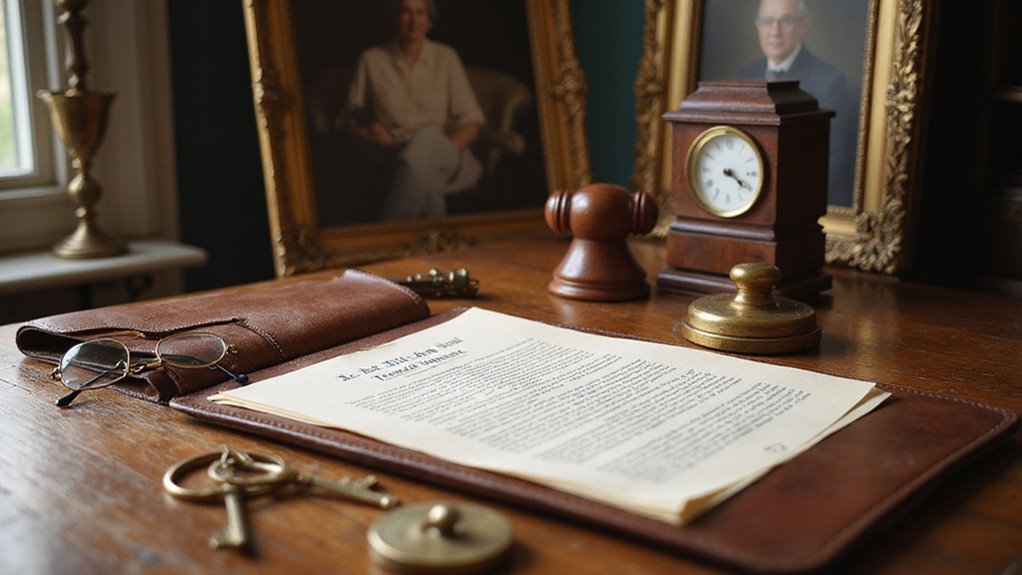
Probate is the legal court process that handles a deceased person’s estate. A judge oversees the validation of wills, payment of debts, and distribution of assets to rightful heirs. The law requires specific documents, including petitions and inventories of all assets.
This process protects everyone’s rights while transferring ownership legally. Courts must approve all distributions before heirs receive property. Probate typically takes between six months to two years depending on estate complexity and state laws.
Understanding probate helps families navigate a difficult time with greater confidence. Additionally, the process ensures titles are cleared and creditors’ claims are properly addressed.
When you go through probate, the court oversees the process of settling the estate, including asset valuation and debt payments. The executor or administrator handles filing paperwork, creating an inventory, and notifying creditors. Once debts are settled, the court approves the distribution of remaining assets to rightful heirs.
Probate begins when you file a petition with the Nebraska court. The court validates the will and names an executor to manage the estate. You must create an asset inventory, notify creditors, and settle outstanding debts.
The court oversees all steps to protect heirs and ensure proper handling. Court fees, executor payments, and other costs will apply during probate. In addition, the process aims to transfer property legally while meeting all obligations.
Probate typically takes six months to over a year to complete. However, complex estates or family disputes may extend this timeline. Throughout this period, the court provides necessary guidance and oversight.
An executor or administrator manages an estate during probate. This person gathers assets, pays debts, and distributes property according to the will or state law. The court issues letters testamentary as proof of authority.
The role requires careful handling of all estate matters with integrity. Executors must notify creditors and settle all legal claims against the estate. This position demands transparency with all interested parties.
Effective executors honor the deceased’s wishes while supporting heirs. Furthermore, they create a smooth process during a challenging time. State laws govern specific responsibilities that vary by jurisdiction.
Estate probate starts with listing all assets and determining their value. You must create a complete inventory of real estate, bank accounts, investments, and personal items. Nebraska law requires accurate valuation of each asset for fair distribution among heirs. This documentation protects everyone involved in the process.
A thorough inventory prevents disputes and speeds up court approval. Additionally, proper valuation helps calculate any estate taxes owed. Estate values must reflect current market prices rather than purchase costs. As a result, professional appraisals may be necessary for unique or valuable possessions.
The probate process requires settling all estate debts before distributing assets. First, notify all creditors about the death. This allows them to submit claims for unpaid debts within the legal timeframe. Court fees, executor compensation, and attorney fees are considered probate costs that must be paid.
Review each claim carefully and pay valid debts using estate funds. Some claims may require negotiation or rejection if invalid. This debt clearance protects heirs from future financial responsibilities. Furthermore, proper debt settlement ensures a clean transfer of remaining assets.
Nebraska probate laws require transparent accounting of all debt payments. Keep detailed records of each transaction during this phase.
Assets are distributed after debts are paid and claims resolved. The executor transfers probate assets to heirs according to law or the will. This process starts with verification of all heir identities.
Property titles, vehicle ownership, and bank accounts transfer to designated beneficiaries. Personal items are allocated based on will instructions or state inheritance laws. Nebraska laws govern all distribution steps and must be followed precisely.
Final court approval documents complete the process. The executor’s responsibility is to ensure fair distribution that honors the deceased’s wishes. This methodical approach protects everyone’s interests while efficiently transferring assets to rightful recipients.
Estates go through probate to legally transfer a deceased person’s assets. This court process validates wills and ensures proper distribution to heirs. Probate law creates a framework where debts must be paid before assets are distributed to beneficiaries.
The process helps prevent family disputes over inheritance matters. Courts supervise the executor’s actions to maintain fairness and transparency. Additionally, probate protects creditors’ rights to collect valid debts.
For most families, probate provides certainty that assets transfer according to legal standards. Without this system, asset transfers might lack proper documentation or oversight.

Probate applies to assets solely owned by the deceased person at death. These include bank accounts, real estate, and personal belongings with no co-owners. Vehicles titled only in the deceased’s name must go through probate. Personal jewelry, collectibles, and solely owned stocks also qualify.
Assets without designated beneficiaries require court oversight. Furthermore, property not held in joint tenancy falls under probate jurisdiction. Unregistered items and estate-owned property must follow legal probate procedures.
Understanding which possessions need probate helps families plan properly. This knowledge ensures smooth estate administration for your loved ones.
There are different types of probate proceedings you should know about, depending on your estate’s situation. Formal probate involves court hearings, while informal probate relies mainly on paperwork when there are no disputes. Additionally, small estate procedures and summary administration offer simplified options for qualifying estates.
Formal probate involves court oversight of a deceased person’s estate in Nebraska. This legal process authenticates the will and establishes an executor or administrator. You must file documents with the court and attend scheduled hearings.
This process requires several key steps. You must gather probate documents, notify all creditors and beneficiaries, and pay outstanding debts and taxes. Additionally, you’ll need to create an inventory of all estate assets. Furthermore, you must distribute property according to legal requirements.
The formal approach offers important protections. It provides accountability for all parties involved. It also ensures proper debt settlement and protects heirs’ interests.
Informal probate offers a simplified court process for qualifying estates. This option works best for uncontested estates with clear asset ownership and no family disputes. You’ll submit required documents and notify interested parties while experiencing less court oversight. The timeline typically ranges from six months to one year, significantly faster than formal probate.
The process requires filing a petition, creating an estate inventory, and notifying creditors. After addressing all valid claims, you’ll distribute remaining assets to rightful heirs. Throughout this journey, you’ll still maintain legal accountability while benefiting from reduced paperwork and court appearances.
For estates with straightforward circumstances, this approach provides efficiency and cost savings while ensuring proper transfer of assets.
Summary administration is a simplified probate process for small estates. It requires less court involvement than regular probate. Estates must meet specific criteria based on size or value to qualify. You’ll use a small estate affidavit instead of formal court proceedings.
This process allows quick settlement of affairs after someone passes away. Beneficiaries receive assets faster than through traditional probate. Creditors must still be notified, but through streamlined procedures.
The main benefits include reduced legal costs and paperwork. Families can focus on honoring their loved one’s wishes rather than complex legal matters. Furthermore, the emotional burden decreases with faster resolution.
Nebraska’s small estate procedures let you bypass full probate when an estate is worth less than $50,000. This simplified process requires filing a petition and creating an asset inventory. You must notify creditors and pay valid claims before requesting court approval.
The streamlined approach transfers property to heirs without lengthy court hearings. Furthermore, these procedures significantly reduce legal fees and paperwork. Many families appreciate how this option respects their loved one’s wishes while minimizing stress.

Probate typically takes six months to over a year. The timeline depends on estate complexity and potential disputes. Nebraska estates must go through several required legal steps during this period.
Several factors can extend this process. Asset collection and appraisal require thorough documentation. Creditor notification and claim resolution take statutory time. Court schedules affect hearing availability. Additionally, heir disagreements often cause significant delays.
Effective planning helps navigate probate efficiently. You can reduce delays by organizing documents early. Court fees, executor compensation, and attorney costs vary based on estate size. Staying organized reduces both time and expenses throughout the process.
Probate involves several costs you should expect, including court filing fees, executor or administrator fees, and attorney bills. You’ll also need to cover appraisal costs and other professional services to properly settle the estate. Understanding these expenses helps you prepare for the financial aspects of probate.
Nebraska probate court filing fees range from $50-$300 depending on estate value. These fees cover petition processing, document filing, and administrative costs. Initial filing fees typically start at $50 for small estates and increase with larger estates.
The court requires payment when you submit your probate petition. Additional charges apply for special requests or complex cases. Furthermore, you’ll need to budget for notice publication costs in local newspapers.
Nebraska law allows fee waivers for qualifying individuals with financial hardship. Understanding these costs helps you plan effectively. Many executors include these expenses in their overall probate budget.
Executor fees are payments for managing a deceased person’s estate. Nebraska law permits reasonable compensation based on estate percentage or hourly rates. These fees reflect the work involved in settling debts and distributing assets to beneficiaries.
The court must approve all executor fees. You can negotiate these amounts, but they must be fair for the services provided. Many executors charge between 2-5% of the estate value, depending on complexity.
Before accepting executor duties, consider discussing compensation expectations with family members. This transparency helps prevent disputes later during the probate process.
Probate lawyer costs typically range from $150-$400 per hour or 2-4% of estate value. These fees depend on estate complexity, location, and attorney experience.
Attorneys handle court paperwork, creditor negotiations, dispute resolution, and legal document preparation. State laws may limit fee percentages or require court approval for attorney compensation. Most lawyers offer free consultations to discuss payment structures.
Ask potential attorneys about their billing methods and expected total costs. Request detailed fee agreements in writing before signing. This transparency helps prevent unexpected expenses during the probate process.
Probate requires several professional services to value estate assets properly. These include property appraisals, accounting services, and specialized valuations. Fees typically range from 2-5% of the total estate value, depending on complexity. Most estates need real estate appraisals and valuations of valuable personal items.
Professional service costs are partly negotiable. However, accuracy remains essential for fair asset distribution among heirs. Planning for these expenses ahead of time reduces financial surprises for your beneficiaries. Additionally, proper documentation speeds up the probate process.
Including these costs in your estate plan helps create a smoother transition of assets. Your heirs will appreciate your foresight.
You can avoid probate when selling your house by setting up a living trust or holding the property in joint ownership. Using transfer-on-death deeds or gifting the property before your death also keeps the transfer outside probate. These strategies streamline the sale process and ensure a smoother transfer to heirs.
A living trust transfers property to beneficiaries without probate court involvement. Your estate passes directly to your chosen heirs when you die. This legal arrangement keeps your property out of probate.
The trust offers several advantages over traditional probate. Property transfers occur without court approval or supervision. Your beneficiaries receive assets faster and with fewer complications. Privacy remains intact since trust details stay confidential.
Moreover, you maintain control of your assets during your lifetime. The trust only takes effect after your death or incapacitation. For this reason, many homeowners prefer trusts to standard wills.
To summarize, living trusts provide clear ownership transfer, eliminate court delays, and reduce costs. Your loved ones benefit from your thoughtful planning and foresight.
Joint ownership allows property to transfer automatically when you die. Common types include joint tenancy with right of survivorship and tenancy by the entirety. These options bypass probate entirely, saving time and money for your heirs.
Each state has different rules about joint ownership forms and their requirements. Your co-owners receive your share immediately upon death without court involvement. This creates a seamless transition for loved ones during a difficult time.
Consider which option fits your specific situation carefully. The right choice depends on your relationship with potential co-owners and long-term estate goals. As a result, your property passes directly to survivors without the delays of probate.
TOD deeds allow property to transfer directly to beneficiaries when you die, bypassing probate. Your named recipients gain immediate ownership upon your death without court proceedings. This arrangement saves significant time and legal expenses for your heirs.
Most states require these deeds to be properly recorded before your death to be valid. The property transfers automatically, eliminating delays and complications. Your beneficiaries receive clear title right away.
Furthermore, you maintain complete ownership while alive. This option provides peace of mind knowing your loved ones won’t face probate challenges. The process remains relatively simple compared to other estate planning tools.
Transferring property before death helps avoid probate. This strategy bypasses court proceedings and reduces administrative costs. Your beneficiaries receive assets directly without waiting.
Federal law allows annual tax-free gifts up to $17,000 per recipient. Nebraska has no additional gift tax. These provisions make gifting an attractive option for many property owners.
Consider timing when gifting valuable assets. Property transfers may have tax implications for recipients. Furthermore, you should consult an attorney about potential Medicaid lookback periods.
The right gifting strategy preserves wealth and simplifies estate settlement. Your family benefits from reduced paperwork and faster access to inherited property. This approach often provides peace of mind for everyone involved.
Probate can be complex, but knowledge empowers you to navigate it effectively. Understanding Nebraska’s probate process helps families avoid common pitfalls during a difficult time. If you prepare properly, you can minimize delays and reduce costs significantly.
At HOW Homebuyers, we understand the challenges that come with inherited properties. We buy houses in popular cities across Iowa and Nebraska. Our team can help you convert inherited real estate into cash quickly, regardless of the property’s condition.
We have worked with many families dealing with probate situations in Omaha, Lincoln, and Des Moines. We offer solutions that can simplify your estate settlement process. When you work with us, you’ll receive compassionate service and fair offers during this challenging transition.