#1 Homebuyer. Local. Trusted. Family Owned.
We have been buying houses in Nebraska since 1996.


#1 Homebuyer. Local. Trusted. Family Owned.
We have been buying houses in Nebraska since 1996.

#1 Homebuyer. Local. Trusted. Family Owned.
We have been buying houses in Nebraska since 1996.
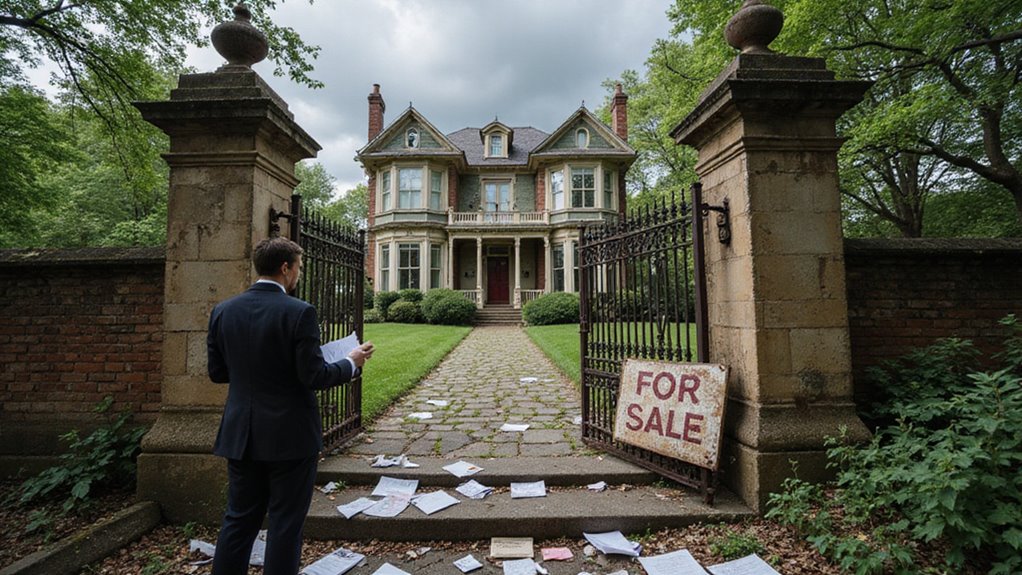
Losing a loved one is hard enough. Dealing with their property afterward can feel overwhelming. If you inherited a house in Nebraska, you might need to go through probate before you can sell it. This guide breaks down everything you need to know about selling a house in probate in Nebraska.
Many families face this situation every year. The good news is that the process follows clear steps. Once you understand what to expect, you can move forward with confidence. Whether you want to keep the house or sell it quickly, knowing the rules helps you make smart choices.
Probate is the legal process that happens after someone dies. A court supervises the distribution of the deceased person’s assets. This includes their home, bank accounts, and other property.
When someone dies owning real estate in Nebraska, that property usually goes through probate. The court makes sure the property goes to the right people. It also ensures all debts and taxes get paid first.
You cannot just sell an inherited house right away. The executor or personal representative must follow specific legal steps. Think of probate as the official permission slip from the court. Without it, you do not have the legal right to transfer ownership.
Nebraska has different types of probate. Small estates under $50,000 can use a simpler process. Larger estates need formal probate. The type of probate affects how quickly you can sell.
During probate, the personal representative takes charge. This person files papers with the court, pays bills, and manages the estate. If the will names you as executor, you become the personal representative. If there is no will, the court appoints someone.
Selling during probate means following court rules. You may need permission before listing the house. The court wants to protect everyone’s interests. This includes heirs, creditors, and anyone else with a claim.
The probate process exists for good reasons. It prevents fraud and makes sure the right people inherit. It also gives creditors time to collect what they are owed. While this adds steps to the selling process, it protects everyone involved.
We understand probate sales. We work with families in Lincoln and throughout Nebraska. We know the extra paperwork and waiting periods involved. This experience helps families sell faster, even with court oversight.
The first step is opening the probate case. Someone must file a petition with the county court. This happens in the county where the deceased person lived. You will need the death certificate and the original will (if one exists).
The court then appoints a personal representative. This person has legal authority to manage the estate. They receive official papers called Letters of Authority. These letters prove they can act on behalf of the estate.
Next, the personal representative must notify everyone involved. This includes heirs named in the will and known creditors. Nebraska law requires published notices in a local newspaper. This gives unknown creditors a chance to come forward.
The personal representative creates an inventory of all assets. They must list the house and estimate its value. Some courts require a professional appraisal. This inventory gets filed with the court within two months.
Now comes the waiting period. Nebraska law gives creditors four months to file claims. The personal representative cannot distribute assets during this time. They must review each claim and decide if it is valid. Some claims get paid right away. Others might get disputed in court.
After handling debts, the personal representative can prepare to sell the estate. They may need court approval first. This depends on what the will says and Nebraska law. Some wills give the executor power to sell without asking permission. Others require a court order.
To get court approval, file a petition to sell real estate. The petition explains why selling makes sense. Maybe the estate needs cash to pay debts. Perhaps the heirs want to divide the money rather than share a house. The court reviews the request and holds a hearing.
Once approved, you can list the house. Work with a real estate agent who knows probate sales. Or consider selling to a cash buyer like Sell To How. Cash buyers can close faster because they do not need bank financing.
After accepting an offer, file the sale details with the court. The judge reviews the price and terms. If everything looks fair, the judge signs an order confirming the sale. Only then can you proceed to closing.
At closing, the personal representative signs the deed. The buyer pays, and the title transfers. The money goes into the estate account. It gets used to pay final bills and then is distributed to heirs.
Most Nebraska probate cases take six months to one year. Real estate sales add extra time to this process. Expect the full journey from death to closing to take nine to eighteen months.
Several factors affect the timeline. The four-month creditor period is mandatory. You cannot skip this waiting time. It protects creditors and ensures debts get paid properly.
Court schedules also impact timing. Judges handle many cases. Getting a hearing date might take weeks or months. Rural counties sometimes move faster than busy urban courts.
The property condition matters too. A house that needs repairs takes longer to sell. Traditional buyers want move-in-ready homes. Fixing up a probate property delays everything. Cash home buyers like Sell To How purchase houses as-is. This eliminates repair time and speeds up the sale.
Finding buyers takes time in a traditional sale. The house must be listed, shown, and marketed. Buyers need inspections and financing approval. This process typically takes 30 to 90 days after listing, sometimes longer if the market is slow.
Will contests create a major delay?. If someone challenges the will’s validity, everything stops. The court must resolve the dispute first. These battles can add years to probate.
Estate complexity also plays a role. Simple estates with one house and clear heirs move quickly. Complicated estates with multiple properties and family disagreements drag on. Good communication between heirs helps avoid delays.
You can speed things up by staying organized. File all paperwork promptly. Respond quickly to court requests. Keep detailed records of everything. Hire experienced professionals who know Nebraska probate law.
Choosing the right selling method matters. Traditional sales take longer but might bring higher offers. Cash sales close faster but might offer less money. Consider your priorities. Do you need speed or maximum profit?
Some families sell before probate closes. Nebraska allows this with court approval. The money stays in the estate account until probate finishes. This approach helps sell the house sooner while still complying with legal requirements.
Working with probate specialists saves time. Real estate agents experienced in estate sales know the process. Companies like Sell To How in Lincoln regularly handle probate purchases. Their experience prevents mistakes that cause delays.
Selling a house in probate in Nebraska requires specific paperwork. Start with the death certificate. You need certified copies for various purposes. Get at least five copies from the funeral home or the county.
The will is essential if one exists. File the original with the court. Keep copies for your records. If there is no will, you still proceed with probate. The court instead follows Nebraska intestacy laws.
Letters of Authority prove you can act for the estate. The court issues these after appointing you. Banks, title companies, and buyers will ask for these letters. Always carry copies with you.
A property deed shows ownership. Find the original deed in the deceased person’s papers. The county register of deeds also has copies. You need this to prove the deceased owned the house.
An inventory lists all estate assets. Include the property address and estimated value. File this with the court within the required timeframe. Update it if you discover additional assets later.
Tax returns for the deceased are often needed. This includes their final income tax return. The estate may also need to file estate tax returns. An accountant can help with complex tax situations.
A property appraisal establishes fair market value. Some courts require professional appraisals. Others accept broker price opinions. The appraisal protects heirs by ensuring a fair sale price.
The petition to sell real estate is crucial. This document seeks the court’s permission to sell. It explains the sale price, buyer terms, and why selling benefits the estate. Include the purchase agreement with this petition.
Court orders approving the sale must be obtained. After the hearing, the judge signs an order. This order authorizes you to complete the sale. Give a copy to the title company at closing.
Notice of proposed action may be required. Nebraska law sometimes requires notifying heirs before selling. They get a chance to object. This prevents surprise sales that might upset family members.
Closing documents include many forms. The personal representative signs a deed transferring ownership. There is a closing statement showing how money was distributed. Title insurance protects the buyer. A bill of sale transfers any personal property included in the sale.
Accounting records show the court how the estate funds were spent. List all income and expenses. Include the house sale proceeds. Show what bills were paid and what remains for heirs.
A final report wraps up the probate case. After distributing assets, file this report with the court. It summarizes everything that happened. Once approved, the estate closes, and you are released from duty.
Keep copies of everything. Organize documents in folders by category. You might need to reference them months later. Good records protect you if questions arise.
Work with professionals who understand these requirements. Real estate attorneys know Nebraska probate law. Title companies handle the paperwork at closing. Experienced buyers like Sell To How can guide you through the documentation process, making the sale smoother for everyone involved.
In most cases, no. If the deceased person owned the house in their name alone, probate is required. However, some exceptions exist. If the property was held in a living trust, it skips probate. Joint tenancy with right of survivorship also avoids probate because ownership automatically transfers to the surviving owner. Transfer-on-death deeds allow property to pass directly to beneficiaries without probate. Small estates worth less than $50,000 total might qualify for simplified procedures. Check with a Nebraska probate attorney to see if any exceptions apply to your situation.
Nebraska does not legally require you to hire a lawyer for probate. You can represent the estate yourself as a personal representative. However, most people benefit from legal help. Probate involves court filings, deadlines, and legal terminology. Mistakes can delay the process or create liability. An attorney ensures you follow all rules correctly. They prepare documents, communicate with the court, and advise on complex issues. The estate pays attorney fees, not you personally. For straightforward cases with cooperative heirs, you might manage without a lawyer. For complicated estates or family disagreements, legal help is worth the investment.
Costs vary based on the estate size and sale method. Court filing fees typically run $200 to $400. Attorney fees range from $2,000 to $5,000 or more for complex cases. Property appraisals cost $300 to $500. If you list with a real estate agent, expect to pay 5% to 6% commission on the sale price. Title insurance and closing costs add another 1% to 3%. Property maintenance, utilities, and insurance continue until closing. Total costs often equal 8% to 15% of the sale price in a traditional sale. Selling to a cash buyer like Sell To How eliminates agent commissions and may reduce other costs since these companies typically handle many closing expenses and purchase houses in as-is condition.