#1 Homebuyer. Local. Trusted. Family Owned.
We have been buying houses in Nebraska since 1996.






#1 Homebuyer. Local. Trusted. Family Owned.
We have been buying houses in Nebraska since 1996.

#1 Homebuyer. Local. Trusted. Family Owned.
We have been buying houses in Nebraska since 1996.

Navigating the maze of posthumous property sales can feel like deciphering ancient hieroglyphics without a translation key. When someone passes away, their living trust property doesn’t automatically transfer to beneficiaries. Instead, a complex process begins, filled with legal requirements and potential pitfalls. Fortunately, with proper guidance and understanding of your role as successor trustee, you can successfully navigate this challenging transition.
To sell property held in a living trust after death, you must first confirm the trust’s terms and obtain the death certificate. Then, as successor trustee, verify the property title is in the trust’s name before proceeding with the sale according to Nebraska law. The process requires notifying beneficiaries and obtaining professional appraisals to establish fair market value.
In this blog I will explore everything about selling property held in living trusts after death.

After the grantor dies, the successor trustee takes over management of the trust assets. They must follow the trust’s instructions to distribute or sell property as specified. Your role is to ensure the trustee acts within their authority and complies with Nebraska law.
A successor trustee manages trust assets after the grantor’s death. This person must follow the trust’s instructions and protect beneficiary interests. They first locate the trust document and secure essential paperwork. They then notify all beneficiaries about their inheritance rights.
The trustee’s responsibilities include asset management and handling financial matters. Trust law requires trustees to act with loyalty, prudence, and impartiality. They may need to sell property, pay debts, or distribute assets. Each decision must support the grantor’s original intentions.
Furthermore, trustees must maintain accurate records of all transactions. Good communication with beneficiaries helps prevent misunderstandings. In essence, the trustee ensures a smooth transfer of wealth while honoring the deceased’s wishes.
When a trustor dies, the successor trustee must follow the trust document’s instructions. They review the document, notify beneficiaries, and provide the death certificate. Legal title to assets transfers without probate if properly held in the trust.
The trustee ensures all ownership transfers comply with the trust terms. This process honors the trustor’s wishes for their property. Title issues get resolved during this phase.
Proper distribution serves the beneficiaries’ interests while respecting the deceased’s plans. As a result, assets move smoothly to their intended recipients. Furthermore, following trust terms prevents potential conflicts among beneficiaries.
When the grantor dies, the successor trustee transfers property by following the trust’s instructions, avoiding probate. The trustee must handle title transfers, gather necessary documents like the death certificate, and ensure proper registration. Clear documentation and correct naming of the trust are essential to prevent delays or legal issues.
Living trusts bypass the probate process completely. This saves your family time, money, and stress after your death. A trust transfers assets directly to beneficiaries without court involvement.
As trustee, you distribute property according to the trust instructions. State laws require specific procedures for trust administration, but they’re simpler than probate requirements. Furthermore, trust administration remains private, unlike public probate proceedings.
The primary benefits include faster asset distribution and reduced legal fees. Your loved ones receive their inheritance sooner without court delays. Most importantly, your final wishes remain protected through proper trust management.
Property transfer to a living trust requires retitling assets in the trust’s name. Update property deeds to show the trust as the owner. This process officially moves assets into trust protection.
First, obtain the current deed and verify accurate title information. The trustee must present legal documentation and record necessary affidavits with the county recorder’s office. Trust documents clearly define the trustee’s authority for future transactions.
Address any title issues before finalizing the transfer. Meanwhile, gather all required paperwork from relevant financial institutions. Proper title transfer prevents probate and ensures smooth asset management.
Legal requirements vary by state, so consult with an attorney familiar with local property laws. Completing this process correctly protects your beneficiaries from unnecessary complications.
Essential documents are needed to transfer property into a living trust successfully. You must have paperwork that names the trust and confirms your trustee authority. The original trust document, death certificate, and property deed are fundamental requirements.
Always verify the trust permits property sales. All beneficiaries should receive proper notification. Recording death and transfer deeds at the county office prevents future complications.
The law requires specific documentation for different purposes in trust property transfers. For instance, the trust instrument confirms your authority, while death certificates authenticate a decedent’s passing. Property deeds establish title transfers to the trust or heirs. Affidavits clarify ownership status for legal compliance purposes. Following accurate procedures for trust property sales helps avoid legal issues.
After the grantor’s death, the successor trustee can sell property if the trust grants them that authority. You’ll need to verify the trustee’s powers and follow proper legal procedures, including notifying beneficiaries. Keep in mind, the timeline for selling can vary based on title issues, documentation, and state laws.
Yes, successor trustees can sell trust property after the grantor’s death if the trust permits this. Your authority comes directly from the trust document and Nebraska law. You must act in beneficiaries’ best interests when liquidating assets.
Review the trust terms carefully before proceeding with any sale. Notify all beneficiaries about your intentions as required by law. Nebraska law requires trustees to maintain accurate records of all transactions involving trust property.
The death certificate and trust instrument prove your legal standing to potential buyers. Proper documentation prevents delays and legal complications later. Your fiduciary duty includes getting fair market value for all trust assets.
Most trust property sales take 3-6 months after death. The process starts with a professional appraisal to determine market value. Title clearance follows, resolving any ownership issues before marketing begins.
Nebraska law requires trustees to act prudently when selling trust assets. Your timeline may vary based on market conditions and property complexity. Cash offers often close faster than traditional financing.
Beneficiary cooperation greatly affects the sale speed. Regular communication helps prevent delays. Keep detailed records of all sale-related activities for transparency. Staying organized ensures you meet legal obligations while serving beneficiaries efficiently.
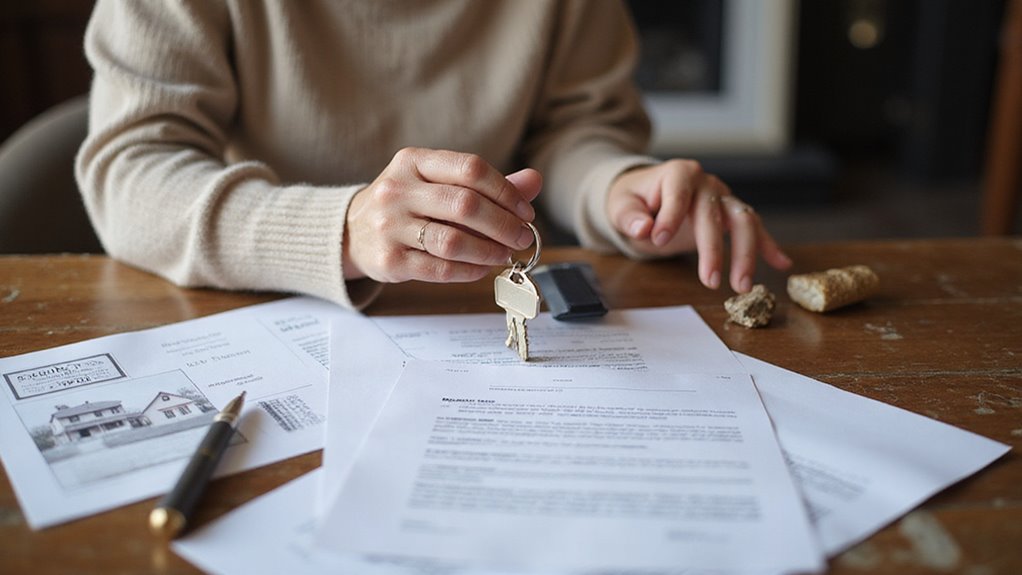
To sell property held in a living trust after death, you need to verify the trustee’s authority and gather essential documents like the death certificate, trust agreement, and property deed. Next, obtain a professional valuation to ensure fair market value and prepare the property for sale. Then, market the property effectively and negotiate offers to close the sale efficiently.
Trustees must verify their legal authority before selling trust property. First, check the trust document for specific powers granted to you as trustee. Nebraska law requires trustees to act within their legal boundaries while serving beneficiaries’ interests. This verification helps prevent disputes and protects you from liability claims.
Gather essential documents like the trust instrument and death certificate if applicable. Notify all beneficiaries about the planned sale as required by law. Furthermore, conduct a title search to confirm there are no liens or restrictions on the property.
Trustees need several key documents before selling trust property. You must have the trust instrument, death certificate, and proof of your authority as trustee. Property valuation documentation helps ensure you set a fair price for the sale.
All property titles should be verified as properly held in the trust’s name. This prevents potential legal complications during the transaction. Nebraska law requires proper documentation to complete a valid trust property sale.
Check for any liens or encumbrances that might affect the title. These issues could cause significant delays if discovered late in the process. Furthermore, complete documentation protects everyone involved from disputes that might arise later.
You need a certified appraiser to value trust-held real estate in Nebraska. The appraiser should have local market expertise. Nebraska trust laws require fair market valuation for proper asset distribution. This protects all beneficiaries involved.
Look at similar properties that sold recently in your neighborhood. Consider your property’s condition, age, and special features. Furthermore, collect maintenance records, improvement receipts, and inspection reports.
Accurate valuation prevents disputes among heirs and potential buyers. It also fulfills your legal duty as a trustee. Trust sales require documented fair pricing to satisfy both tax requirements and beneficiary interests.
Effective marketing attracts qualified buyers to trust-held properties. Create a compelling listing with professional photos and virtual tours that showcase the property’s best features. Emphasize the legal clarity and clean title that comes with trust properties. A targeted approach will reach the right audience and generate serious interest.
Furthermore, highlight neighborhood amenities, recent improvements, and unique selling points. Trust sales often provide streamlined transactions with fewer contingencies than traditional sales. As a result, buyers may find these properties particularly attractive. Consider hosting open houses or private showings to create urgency.
Pricing the property appropriately remains essential for maximizing trust proceeds. Work with an experienced real estate agent who understands trust sales. This partnership ensures proper marketing exposure through multiple listing services and social media channels.
Trustees must follow specific steps when accepting property offers from a trust. First, check your legal authority in the trust document. The offer must align with all trust terms. Tell all beneficiaries about received offers promptly.
Nebraska law requires fair market value for trust property sales. Many courts review sales to ensure proper valuation occurred. Proper documentation protects everyone involved in the transaction.
All paperwork must include both trust documents and deed transfers. Furthermore, these documents create a clear record of the sale. The right approach benefits all parties while meeting legal requirements.
To complete a trust closing, record the deed with the correct trust name and submit all required documents. Ensure all legal transfers are properly executed. Provide the death certificate and resolve any outstanding title issues promptly.
After finalizing the sale, distribute funds to beneficiaries according to trust terms. Nebraska law requires proper documentation for all property transfers from trusts. Your thorough record-keeping prevents disputes later.
As a result, the property transfers smoothly to the new owner. Your careful attention fulfills your fiduciary responsibility. This process ultimately serves the beneficiaries’ best interests through proper asset management.
You need to understand the tax implications when selling property from a living trust after death. Key factors include capital gains tax, the step-up basis that can reduce taxes, and estate taxes that may apply. Being aware of these points helps you plan for significant tax liabilities and maximize benefits.
Selling inherited Nebraska property typically involves minimal capital gains tax. The property receives a “step-up” in basis to its fair market value on the death date. This reset often eliminates capital gains tax when sold soon after inheritance.
Federal tax rates range from 0-20% depending on your income level. You’ll face short-term rates if sold within a year, or lower long-term rates after a year. Keep detailed records of the property’s value at inheritance and any improvements made.
Nebraska also imposes an inheritance tax separate from capital gains taxes. Tax rates vary based on your relationship to the deceased. Consult with a tax professional before listing the property.
Step-up basis adjusts inherited property’s value to its fair market price at the owner’s death. This reduces capital gains taxes when you sell the property later. In Nebraska, this tax benefit applies to all inherited assets and can save heirs thousands in potential tax liability. The previous owner’s purchase price becomes irrelevant for tax purposes.
You won’t pay taxes on appreciation that occurred during the decedent’s lifetime. As a result, your inheritance becomes more valuable. Furthermore, this benefit simplifies record-keeping since you don’t need the original purchase documentation.
Nebraska taxes some inheritances, reducing the value you receive after a loved one dies. These taxes apply when selling inherited property from living trusts.
Estate tax exemption levels vary by relationship to the deceased. The closer your relationship, the lower your tax rate typically becomes. Trust structures may offer tax advantages for larger estates. Federal estate taxes might also apply alongside state requirements.
Tax professionals can analyze your specific situation. Their expertise helps minimize tax burdens while maximizing inheritance value. As a result, beneficiaries receive more of their intended inheritance.
When selling trust property, you may face beneficiary disputes, title problems, or market timing issues that delay the sale. Property condition concerns can also complicate negotiations or reduce value. Identifying and addressing these challenges early helps ensure a smoother transaction.
Beneficiary disputes can block property sales from living trusts. These conflicts arise when beneficiaries disagree about sale authority, property value, or how to divide proceeds. Trust laws require clear documentation and proper adherence to trust terms to avoid legal challenges.
Early conflict resolution prevents court involvement and keeps the sale on track. Clear communication between all parties helps resolve disagreements quickly. The trustee must follow trust instructions exactly.
For a smooth process, document all decisions and discussions. Consider mediation before disputes escalate to litigation. This approach honors your intention to transfer assets efficiently.
Title issues can block trust property settlements. Unclear or improperly recorded titles create legal challenges during the termination process. Missing documentation or incorrect deed wording requires immediate attention. Unresolved liens may prevent property transfers according to trust law.
These problems need thorough title searches before proceeding with any settlement actions. Prompt resolution ensures beneficiaries receive their inheritance without delays. Clear titles allow trustees to fulfill their legal obligations efficiently.
Professional title experts can identify and correct these issues before they become major obstacles. The investment in proper title work protects everyone involved in the trust settlement.
Market timing presents real obstacles when selling trust property. Markets rise and fall, affecting both sale speed and final value. Property maintenance issues often slow down the process significantly. Trust assets may require repairs to appeal to buyers and command fair prices.
The biggest challenge lies in balancing patience with action. Waiting too long risks missing favorable conditions. Conversely, rushing a sale might sacrifice value.
To overcome these hurdles, monitor market trends consistently. Keep properties well-maintained throughout the holding period. Remain flexible about timing when possible. Most successful trust sales result from proper planning and realistic expectations about market conditions.
Poor property condition can delay trust property sales. Trustees must ensure properties meet market standards before listing them. Trustees have a legal duty to disclose all known defects to potential buyers. Hidden damages often lead to failed inspections and canceled contracts.
Structural issues, outdated systems, and cosmetic problems frequently reduce property values. Furthermore, buyers may request significant price reductions after discovering condition problems. Most trust sales require professional inspections to identify potential issues. These inspections help prevent future legal disputes.
In addition, addressing urgent repairs promptly protects the trust’s value. Many trustees choose to complete basic improvements before listing. Trust beneficiaries can sometimes approve using trust funds for necessary repairs. This investment often results in faster sales and higher returns.

Choosing a cash sale can speed up the closing process and minimize delays caused by inspections or financing. It simplifies the transaction, reducing paperwork and significant complications for the trustee. Plus, cash offers often come as-is, decreasing liability concerns and making the sale more straightforward.
Cash sales typically close in 2-3 weeks versus 30-45 days for financed purchases. This speed comes from bypassing lender requirements and approval processes. You’ll avoid mortgage-related delays that often extend closing timelines.
The paperwork for cash transactions requires fewer documents. Title transfers happen faster without lender reviews. All-cash offers eliminate financing contingencies that cause many deals to fall through.
This efficiency matters most when beneficiaries need funds quickly. Trustees can distribute assets sooner when sales close rapidly. For time-sensitive situations, cash buyers offer the clearest path to swift estate settlement.
Cash sales simplify trust property transactions significantly. The process moves faster without financing delays or extended inspection periods. You’ll face fewer paperwork requirements and contingencies when dealing with cash buyers. This approach reduces potential legal complications.
Trust administration becomes more straightforward with cash offers. Nebraska trust laws support streamlined property transfers through cash transactions. Beneficiaries receive their distributions sooner when sales conclude quickly. Furthermore, the trust can be dissolved more efficiently.
The simplified process saves both time and money. Legal costs decrease when transactions close rapidly without complications. Executors fulfill their fiduciary duties more effectively through straightforward sales methods. Overall, cash transactions provide relief during the challenging period of trust administration following a death.
Cash sales lower trustee liability risks. Trustees face fewer complications when selling trust property for cash. The transaction happens quickly with minimal paperwork. This approach protects you from market shifts and price fluctuations.
Furthermore, cash sales prevent potential disputes with beneficiaries. Trust law requires trustees to act in beneficiaries’ best interests. You fulfill this duty by securing funds promptly. The clear paper trail also helps with accountability.
As a practical benefit, estate administration concludes faster. Beneficiaries receive their distributions without unnecessary delays. The entire process becomes smoother and more efficient for everyone involved.
Selling trust property as-is for cash offers simplicity and speed. This approach eliminates repair needs and lengthy inspections. Trustees can quickly convert property to liquid assets for beneficiaries.
Cash transactions bypass financing delays and appraisal complications. The process reduces exposure to market fluctuations that might affect value. Furthermore, as-is sales typically involve fewer legal hurdles during transfer.
Trustees have a fiduciary duty to manage trust assets efficiently after death. Quick resolution through as-is sales often serves beneficiary interests best. This method provides immediate funds while minimizing ongoing property management responsibilities.
Selling property from a living trust requires proper documentation and adherence to Nebraska’s legal requirements. If you’re the successor trustee, you’ll need to confirm your authority before listing the property. When the paperwork is in order, the sale process can proceed similarly to standard real estate transactions.
At HOW Homebuyers, we understand the complexities of selling inherited property held in trusts. We buy houses throughout Iowa and Nebraska, including popular cities in both states. We can help simplify the process by making cash offers and handling much of the paperwork.
If you’re facing challenges with trust property sales, we’re here to provide solutions. We work with experienced professionals who understand trust sales requirements. Our team can guide you through each step while ensuring you meet all legal obligations.